
At 5,895 meters above sea level, the roof of Africa is waiting for you. Not metaphorically. Literally. A summit so high it holds glaciers on the equator, a peak that emerges above the clouds like something from a dream, visible from hundreds of kilometers away on a clear day, a white crown rising above the golden plains of northern Tanzania that has been stopping travelers mid-sentence since the first Europeans saw it in the 1840s and refused, initially, to believe the reports. Snow. On the equator. In Africa. Impossible. Come and stand at the top. Then tell us what's impossible. Kilimanjaro National Park spans approximately 1,688 square kilometers around Africa's highest mountain, a UNESCO World Heritage Site since 1987, and home to over 154 mammal species spread across five dramatically different ecological zones that stack one above the other like the floors of the world's most extraordinary building. Each zone…
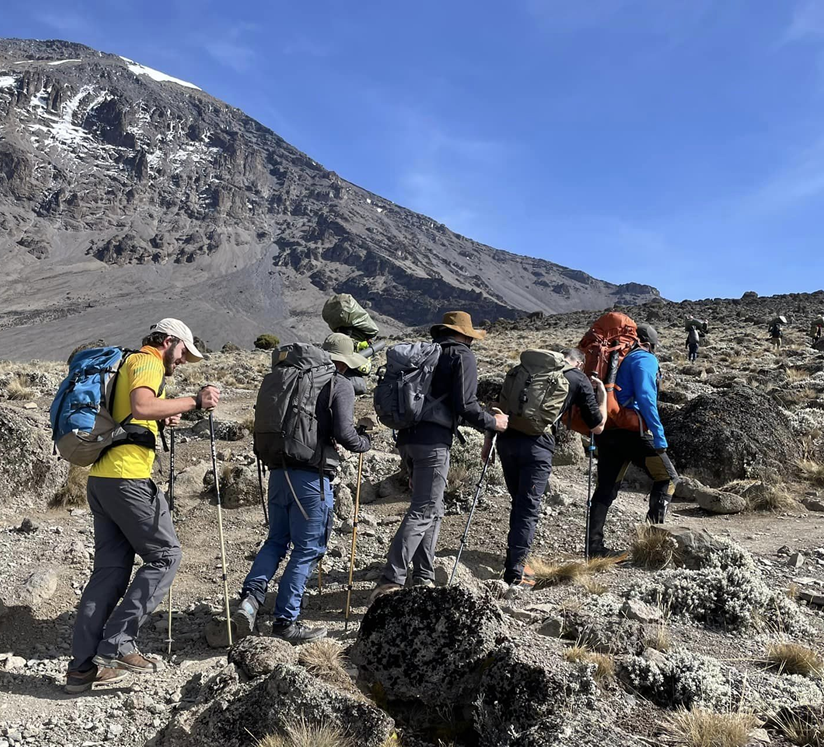
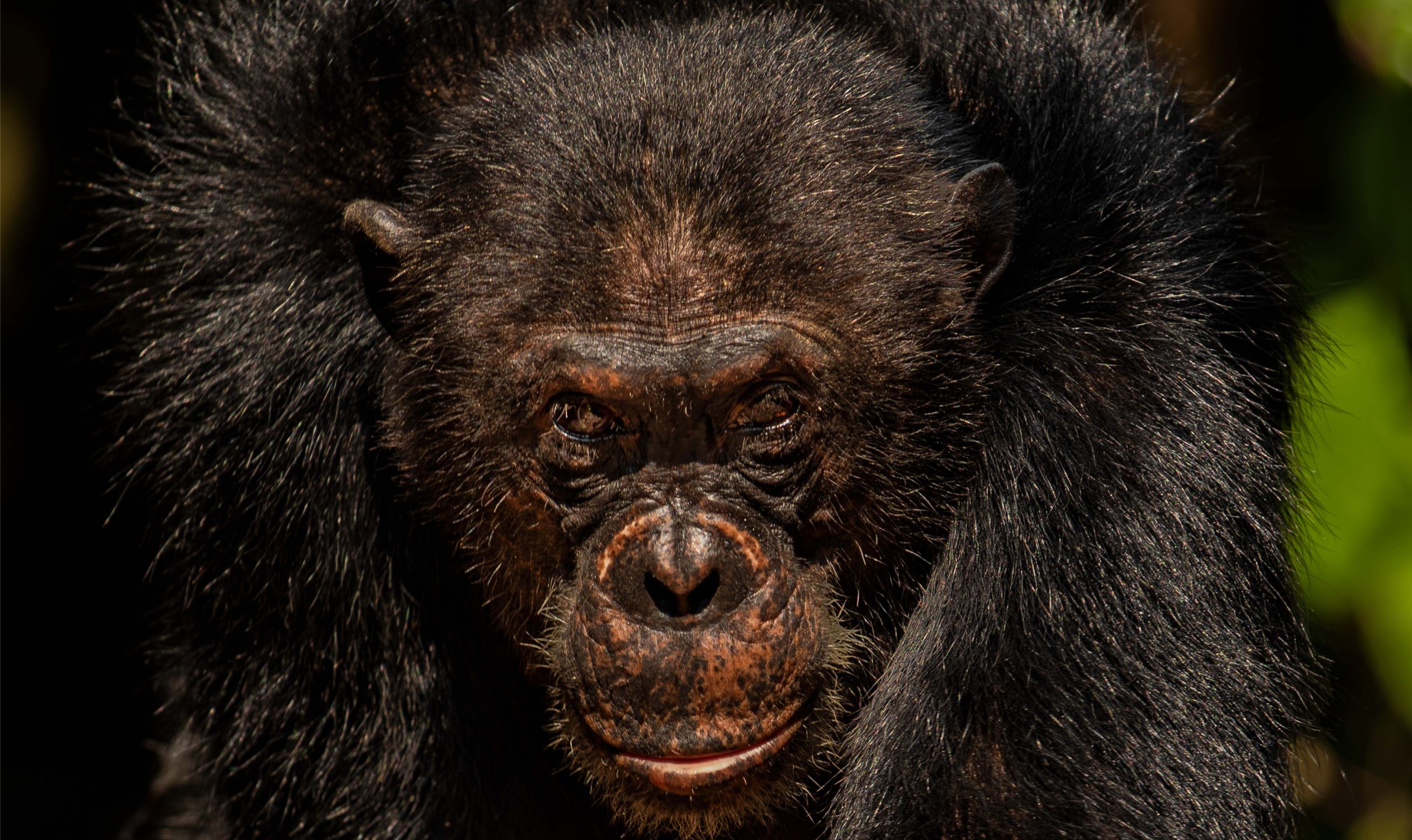
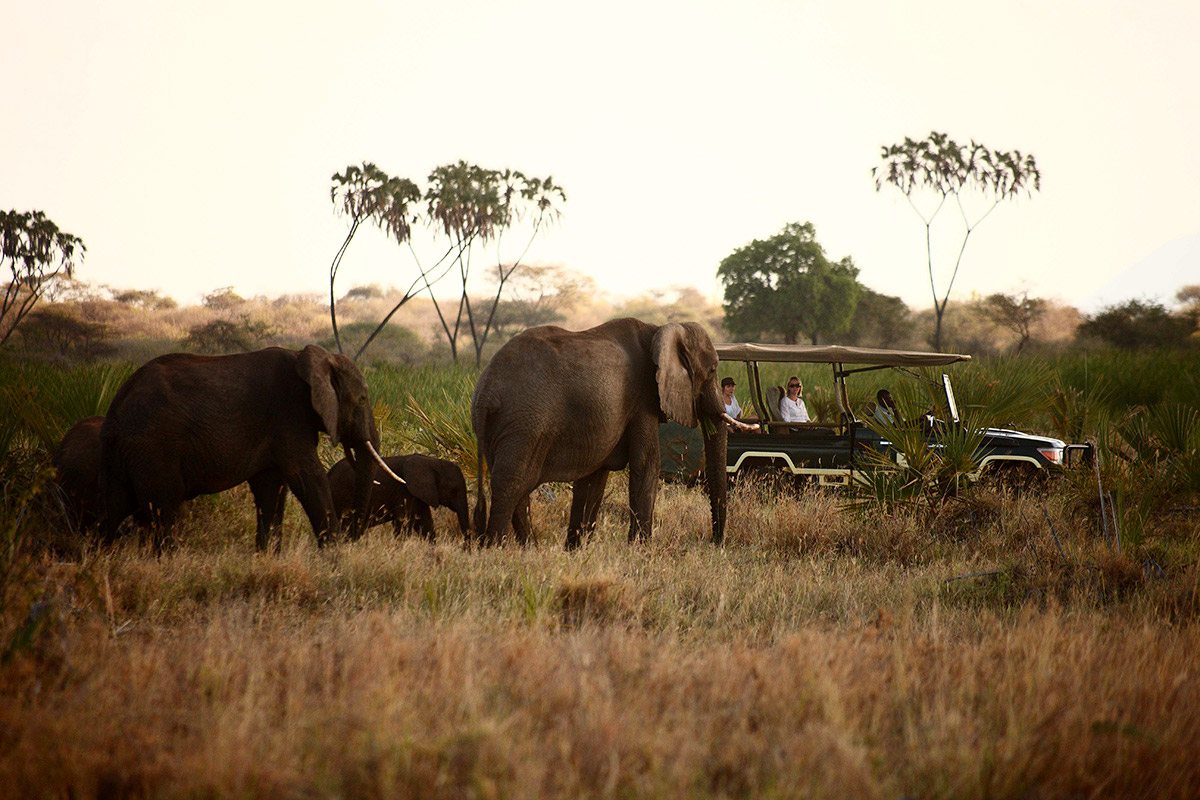
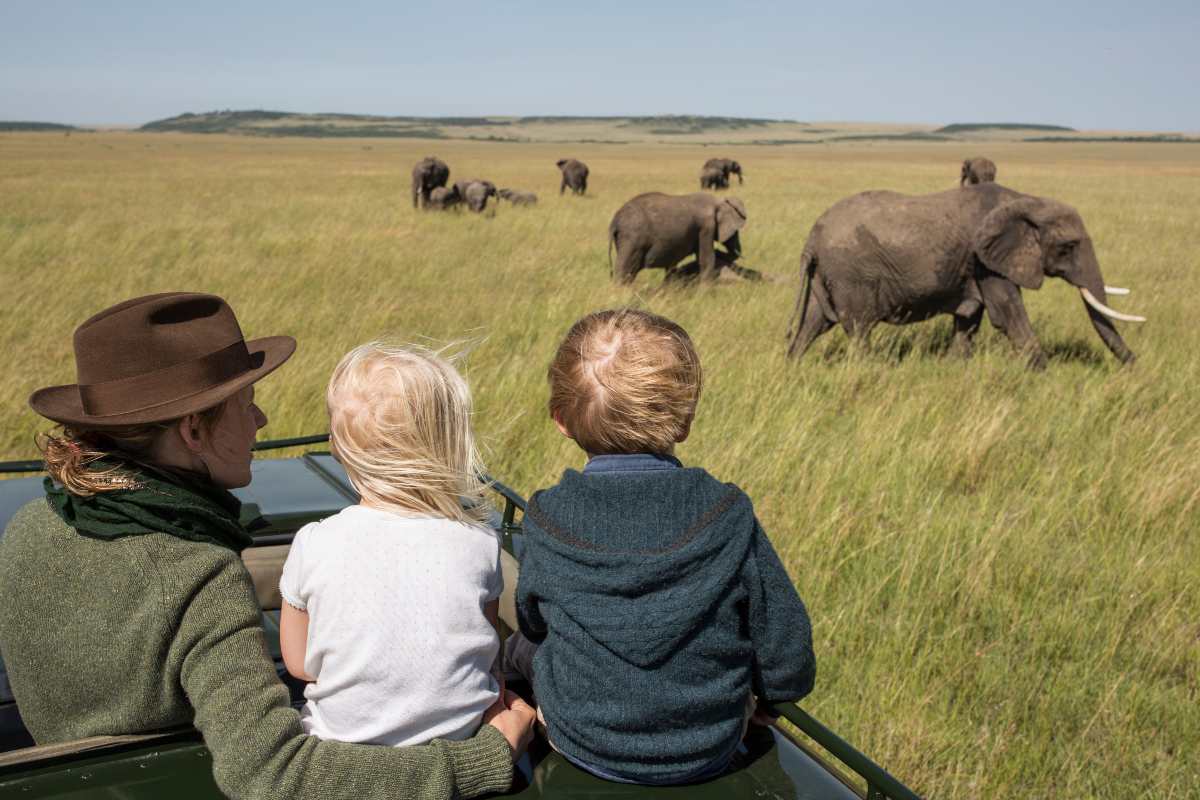
At 5,895 meters above sea level, the roof of Africa is waiting for you. Not metaphorically. Literally. A summit so high it holds glaciers on the equator, a peak that emerges above the clouds like something from a dream, visible from hundreds of kilometers away on a clear day, a white crown rising above the golden plains of northern Tanzania that has been stopping travelers mid-sentence since the first Europeans saw it in the 1840s and refused, initially, to believe the reports. Snow. On the equator. In Africa. Impossible. Come and stand at the top. Then tell us what's impossible. Kilimanjaro National Park spans approximately 1,688 square kilometers around Africa's highest mountain, a UNESCO World Heritage Site since 1987, and home to over 154 mammal species spread across five dramatically different ecological zones that stack one above the other like the floors of the world's most extraordinary building. Each zone has its own climate, its own vegetation, its own wildlife, its own particular quality of light and air. To climb Kilimanjaro is not simply to climb a mountain. It is to pass through five different worlds on the way to the top. It begins in the rainforest, lush, cool, cathedral-like, where blue monkeys move through the canopy in troops of 10 to 40 individuals and black-and-white colobus monkeys drift between branches with their flowing white mantles. Elephants move through the lower forest, their presence announced by snapped branches and the particular silence that falls when something very large is nearby. Buffalo graze the forest margins. Leopards move at night. Above the forest, the heath and moorland zone opens wide giant heathers draped in old man's beard moss, eland grazing the high grassland, and the tree hyrax calling from the darkness with a sound so extraordinary a rising, rattling shriek that first-time campers bolt upright in their sleeping bags convinced of something terrible, before the guide explains, calmly, that it is just the hyrax saying goodnight. Higher still, the alpine desert. Sparse, otherworldly, the air thins noticeably with every step. And then the Arctic zone glaciers, permanent snow, and the summit crater Uhuru Peak. The highest point on the African continent. A hand-painted sign, a wooden board, and a view that stretches in every direction across a continent spread below you like a map of everything that matters. Six established routes lead to the summit: Marangu, Machame, Lemosho, Rongai, Shira, and the Northern Circuit, each with its own character, its own scenery, its own pacing. The Rongai route, approaching from the north, offers the best wildlife encounters. The Machame and Lemosho routes are considered the most scenic. The Northern Circuit, the longest and most remote, gives the mountain its most solitary and extraordinary face. You do not need to reach the summit to be moved by Kilimanjaro. The forest alone is worth the journey. The moorland alone rewards every step. But for those who do make it, who push through the cold and the altitude and the final pre-dawn summit push and step onto Uhuru Peak as the sun rises over Tanzania, there are no adequate words. Only the particular, permanent memory of having stood at the top of Africa, and known exactly what that felt like.