
Primate Safaris
Contact us
T : +256 392 159 498
T : +9 1 9544 666 665
E : info@primatesafaris.com

Primate Safaris
Contact us
T : +256 392 159 498
T : +1 (928) 607 1653
E : info@primatesafaris.com
National Park
Serengeti National Park
About the Park
Over two million wildebeest, 300,000 zebras, 900,000 gazelles, and countless other animals complete the Great Migration every single year, a circular, seasonal journey across the Serengeti and into Kenya's Maasai Mara driven by nothing more complicated than the search for fresh grass and water.
The Tanzanian side of the ecosystem supports between 3,000 and 4,000 lions, most likely the largest lion population left in Africa. The park also counts 1,000 leopards, 550 cheetahs, and over 500 bird species among its permanent residents.
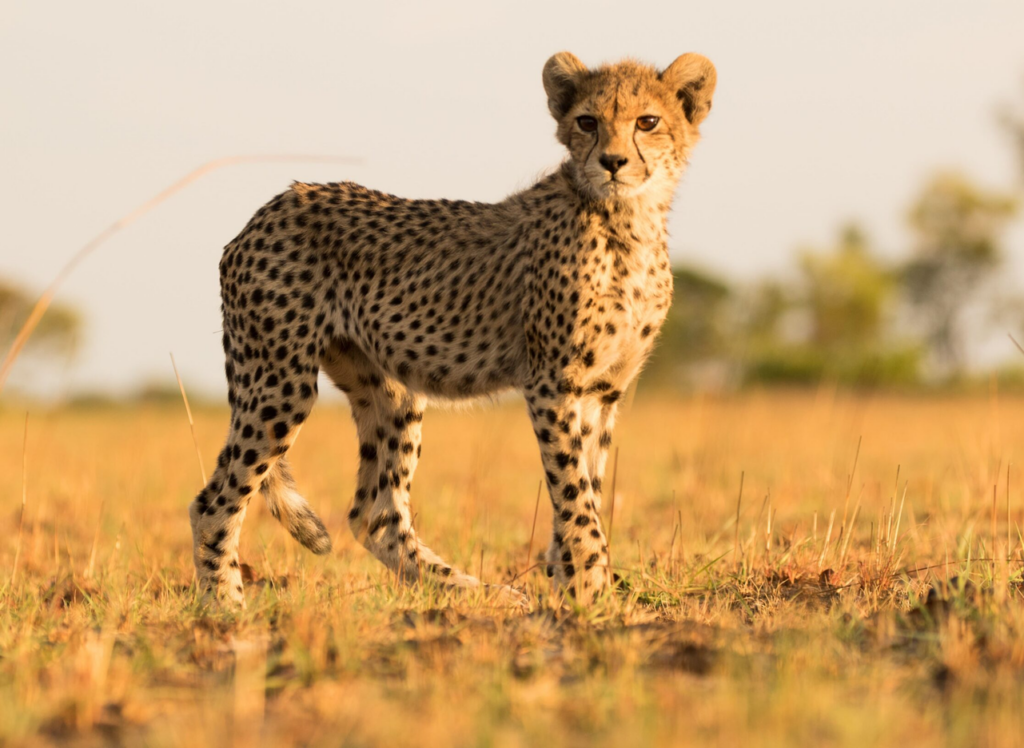 These are not numbers that belong in a brochure. They belong in a place like this, that has been doing this, undisturbed, since before any of us were born. The Serengeti covers nearly 15,000 square kilometers of savanna, woodland, kopjes, and riverine forest in northern Tanzania, a UNESCO World Heritage Site established in 1951 and unchanged in its essential wildness ever since.
Every season here brings a different chapter of the migration story. January and February are the calving season on the southern plains, when 8,000 wildebeest calves are born every single day, and the predators gather in extraordinary numbers.
June and July, the western corridor crossing, the Grumeti River churning with crocodiles, and the chaos of a herd deciding whether to jump. August and September are the famous Mara River crossings in the north, the moment that fills every safari photographer's dreams and every first-time visitor's memories for the rest of their life.
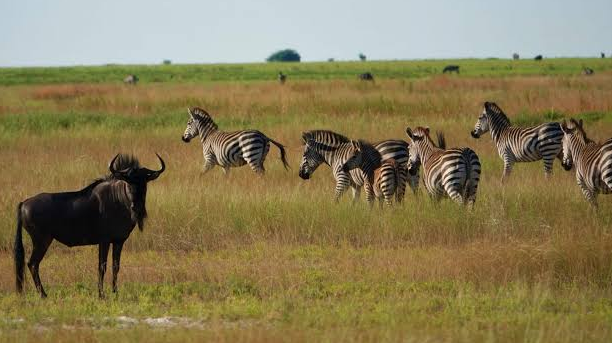 But here is what the Serengeti gives you beyond the migration, what it gives you every month of every year, regardless of season. Space. Abundance. The daily drama of predator and prey playing out on an open stage with no fence, no boundary, no script. It is not unusual to see two or three lion prides in the course of a single game drive.
Cheetahs hunt the open southeastern plains in full view of every vehicle. Leopards drape themselves along the branches of fig trees above the Seronera River. Elephants move in vast herds through the western woodlands.
Hippos fill every pool and river bend. And giraffes, Tanzania has one of the world's largest giraffe populations that move across the plains with that particular slow-motion grace that never stops being extraordinary, no matter how many times you see it.
The Serengeti is not just a park. It is the standard against which every other safari destination measures itself. It is the reason the word safari exists in the way it does in the modern imagination. It is the answer to the question: what does Africa look like when it is fully, unapologetically, gloriously itself?
Wildlife
- Lion
- Leopard
- Elephant
- Rhinoceros
- Cape Buffalo
- Cheetah
- Giraffe
- Zebra
- Hippopotamus
- Wildebeest
- Hyena
- African Wild Dog
- Warthog
- Crocodile
- Ostrich
- Secretary Bird
- Vulture
- African Fish Eagle
- Hornbill
- Crowned Crane
- Marabou Stork
- Impala
- Gazelle
- Eland
- Waterbuck
- Topi
- Dik-dik
- Baboon
- Vervet Monkey
- Honey Badger
- Pangolin
- Aardvark
- Jackal
- Bat-eared Fox
- Lilac-breasted Roller
- Kingfisher
- Weaver Bird