
Primate Safaris
Contact us
T : +256 392 159 498
T : +9 1 9544 666 665
E : info@primatesafaris.com

Primate Safaris
Contact us
T : +256 392 159 498
T : +1 (928) 607 1653
E : info@primatesafaris.com
National Park
Tarangire National Park
About the Park
You smell them before you see them.
That warm, dusty, unmistakable scent that means elephant, and then you crest a low ridge above the Tarangire River and suddenly, spread across the valley below, there they are. Not ten. Not twenty. Hundreds. Elephant herds in Tarangire can reach over 300 individuals moving to the river in long, deliberate columns, matriarchs leading calves through the dust, the ground trembling almost imperceptibly as they approach the water's edge.
Tarangire hosts one of the largest elephant populations in East Africa, estimated at more than 3,000 individuals during the dry season. This is the Kingdom of Elephants. And nothing else you have ever seen quite prepares you for the scale of it.
Northern Tanzania's least celebrated and most rewarding secret, Tarangire National Park, sits just 118 kilometers southwest of Arusha, close enough to reach on a morning drive, different enough from the Serengeti and Ngorongoro to feel like a completely separate world.
 The park has the second-highest concentration of wildlife in Tanzania after the Serengeti, a fact that most visitors discover with some surprise, having arrived expecting something smaller and quieter and finding instead an ecosystem of astonishing abundance and variety.
The Tarangire River is everything here. The single permanent water source in an otherwise parched landscape, it draws the dry season migration of the entire region's wildebeest, zebra, buffalo, eland, hartebeest, impala, and gazelle, all converging on its banks in a concentration of life that rivals any park on the continent.
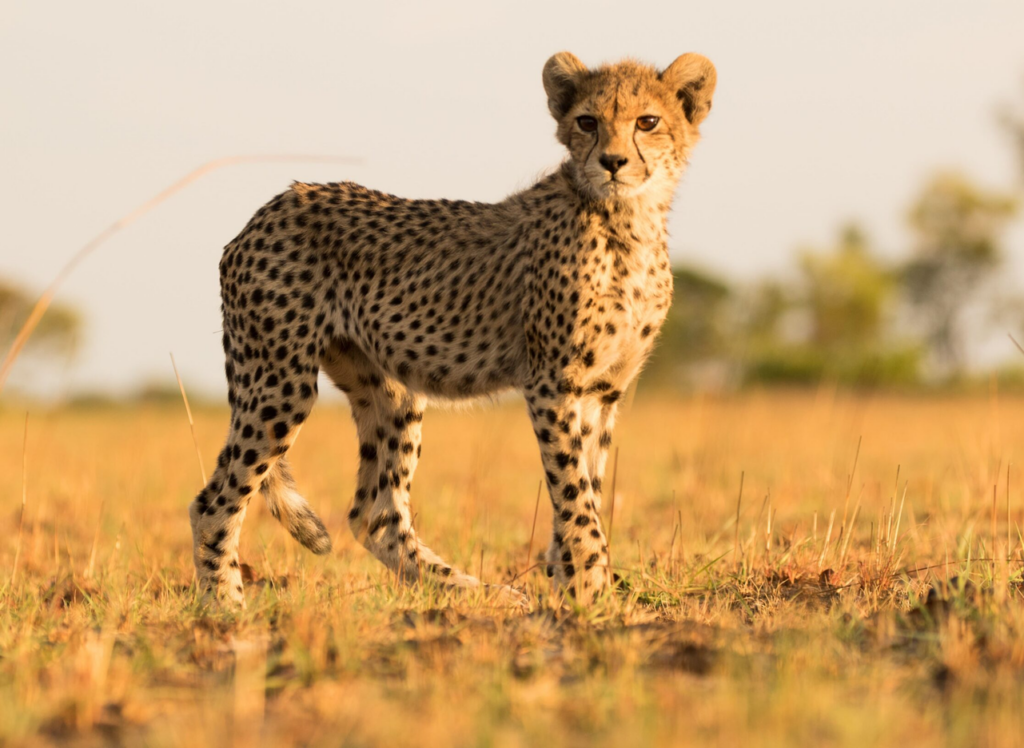
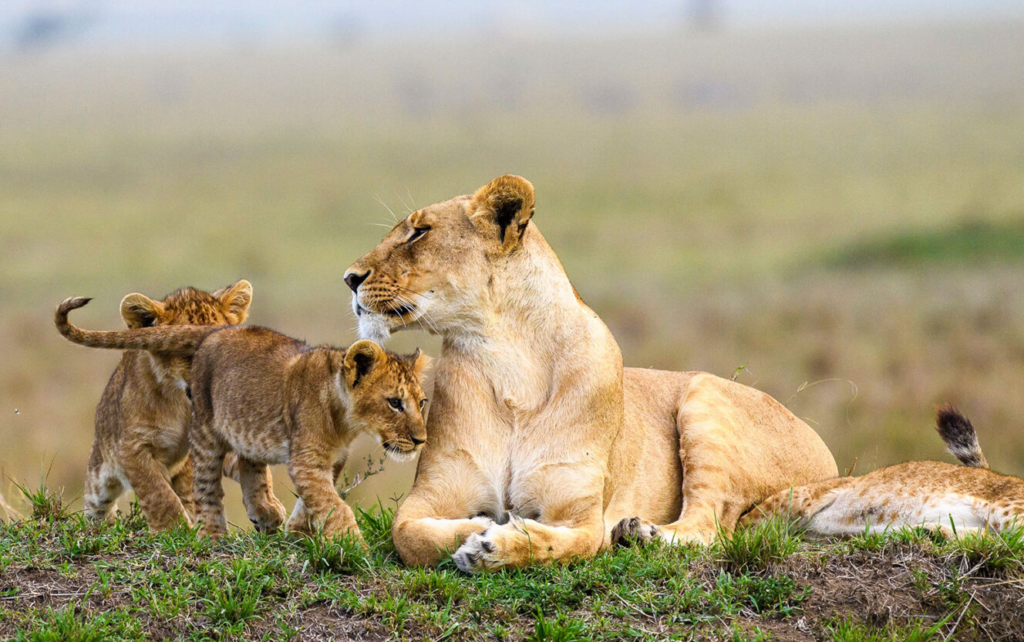
And where the herds go, the predators follow. Lion prides hunt the riverine forest. Leopards drape themselves in the ancient fig trees. Cheetahs work the open southern plains. African wild dogs, rare, endangered, and utterly thrilling to encounter, have been spotted in the Silale Swamp area.
But it is the landscape itself that sets Tarangire apart from anywhere else in Tanzania. The baobab trees, ancient, enormous, impossibly shaped, some of them over 350 years old, stand across the park like sculptures made by something that was thinking on a very long timescale.
At sunset, with the light going amber and a herd of elephants moving beneath them, the baobab silhouettes against an African sky produce a photograph that no filter in existence could improve.
 The park also holds rare dry-country species like the fringe-eared oryx and the long-necked gerenuk that impossibly elegant antelope that stands on its hind legs to browse, looking like something designed by an artist who had never quite seen a real animal.
Over 550 bird species have been recorded in Tarangire, making it one of Tanzania's finest birding destinations, with dry-country specialists and migratory species filling the acacia and baobab woodland in extraordinary variety.
Walking safaris and night game drives are permitted in the park's northeastern sector, adding a dimension of wildlife encounter that most northern Tanzania parks cannot offer.
The Serengeti has the migration. Ngorongoro has the crater. Tarangire has the elephants, the baobabs, and a wildness that feels somehow less curated, more raw, more genuinely itself. It is the park that serious Tanzania safari travelers always mention when asked which one surprised them most.
Wildlife
- Lion
- Leopard
- Elephant
- Cape Buffalo
- Cheetah
- Giraffe
- Zebra
- Hippopotamus
- Wildebeest
- Hyena
- African Wild Dog
- Warthog
- Crocodile
- Ostrich
- Secretary Bird
- Vulture
- African Fish Eagle
- Hornbill
- Crowned Crane
- Marabou Stork
- Impala
- Gazelle
- Kudu
- Oryx / Gemsbok
- Waterbuck
- Hartebeest
- Dik-dik
- Baboon
- Vervet Monkey
- Mongoose
- Honey Badger
- Jackal
- Bat-eared Fox
- Monitor Lizard
- Python
- Lilac-breasted Roller
- Kingfisher
- Weaver Bird