
Primate Safaris
Contact us
T : +256 392 159 498
T : +9 1 9544 666 665
E : info@primatesafaris.com

Primate Safaris
Contact us
T : +256 392 159 498
T : +1 (928) 607 1653
E : info@primatesafaris.com
National Park
Nxai Pan National Park
About the Park
Nxai Pan National Park is one of Botswana's distinctive protected areas with sweeping grasslands, fossilized salt pans, abundant wildlife and the world-famous Baines' Baobabs. The Park is found along the Northeastern edge of the Kalahari Basin with vast open plains, seasonal wetlands and ancient trees.
Although less visited than Botswana's Okavango Delta or Chobe National Park, Nxai Pan is renowned for its seasonal zebra migration, exceptional game viewing, rich birdlife and peaceful atmosphere. The park's changing seasons transform it from a dry, golden wilderness into a lush green oasis that supports thousands of migrating animals.
Nxai Pan National Park is found in northeastern Botswana about 140 kilometers (87 miles) northeast of Maun and about 120 kilometers (75 miles) south of Nata. The Park covers about 2,578 square kilometers (995 square miles) lying adjacent to the larger Makgadikgadi ecosystem and is ecologically connected to Makgadikgadi Pans National Park.
 Nxai Pan forms part of the ancient Makgadikgadi Basin, once occupied by one of Africa's largest prehistoric lakes. Thousands of years ago, tectonic activity altered regional drainage patterns, causing the lake to gradually dry up. As the water evaporated, it left behind extensive salt pans and fertile grasslands.
Nxai Pan consists of Fossil salt pans, Sandy Kalahari soils, Open grasslands, Acacia woodlands, Mopane forests, Seasonal wetlands.
Climate of the Park
Nxai Pan National Park experiences a semi-arid climate with two distinct seasons i.e the Dry Season in the months of May–October with temperatures range from approximately 5°C (41°F) on winter mornings to 28°C (82°F) during the day. There is also the wet Season in the months of November–April with daily temperatures often reach 35°C (95°F) before cooling after rain.
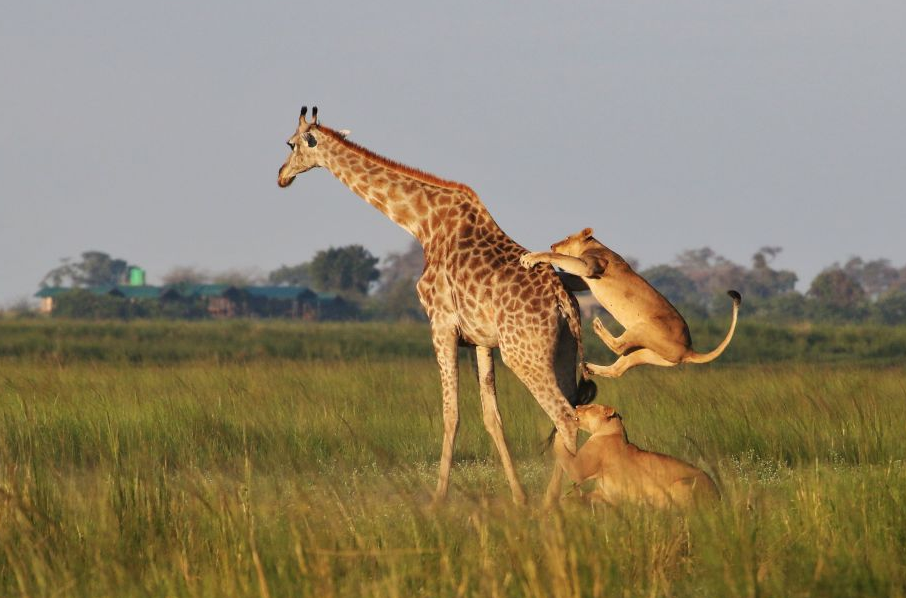
Wildlife to watch in the Park include; Large Herbivores i.e Plains zebra, Blue wildebeest, Giraffes, Springbok, Gemsbok (oryx), Greater kudu, Impala, Elephants, Buffalo (occasionally), Eland, Lion, Cheetah, Leopard, Spotted hyena, Brown hyena, Black-backed jackal, African wildcat, Bat-eared fox.
The Zebra Migration
The Park offers views of the zebra Migration as thousands of zebras travel between the Boteti River in Makgadikgadi Pans National Park and the grasslands of Nxai Pan following seasonal rainfall. This migration usually begins with the arrival of the first rains in November and continues through March.
The fresh grasses provide nutrient-rich grazing, while predators follow the migrating herds, creating excellent wildlife viewing opportunities. This migration is considered one of Africa's longest land mammal migrations and remains largely intact due to Botswana's extensive protected landscapes.
The Park inhabits many bird species i.e more than 200 i.e Ostriches, Kori bustard, Secretary bird, Northern black korhaan, Lilac-breasted roller, Martial eagle, Tawny eagle, Pale chanting goshawk, Greater flamingo (seasonally), Lesser flamingo (occasionally), Various larks, pipits and coursers.
Best Time to visit the Park
Nxai Pan National Park can be visited anytime around the year although the best time to visit Nxai Pan National Park is during the dry season in the months of May to October as travelers can navigate along the varying tracks watching wildlife animals as they wander around their natural habitat.
Wildlife
- Lion
- Elephant
- Giraffe
- Zebra
- Hippopotamus
What You Can Do Here
Gallery
Swipe to browse · tap to enlarge