
Bwabwata National Park is located in the Northeastern part of Namibia between the Kavango and Kwando rivers forming the wider Kavango-Zambezi conservation landscape. The Park lies in the narrow northeastern part of Namibia known as the Caprivi Strip within the Kavango East and Zambezi regions. Unlike many African national parks Bwabwata is amazing to explore and covers about 6,100–6,274 square kilometres stretching between the Okavango River in the west and the Kwando River in the east, with Angola to the north and Botswana to the south. The Park includes wildlife animals which move across international borders between Namibia, Botswana, Angola, Zambia and Zimbabwe making Bwabwata part of a much larger regional conservation system. The Park includes the Okavango River that forms the western side of the park with floodplains that support a particularly aquatic, wetland and riverine habitats. The Mahango and Buffalo areas on the western side are especially important…
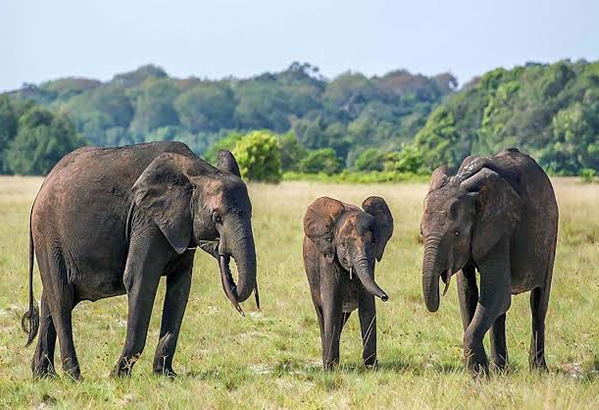
Bwabwata National Park is located in the Northeastern part of Namibia between the Kavango and Kwando rivers forming the wider Kavango-Zambezi conservation landscape. The Park lies in the narrow northeastern part of Namibia known as the Caprivi Strip within the Kavango East and Zambezi regions. Unlike many African national parks Bwabwata is amazing to explore and covers about 6,100–6,274 square kilometres stretching between the Okavango River in the west and the Kwando River in the east, with Angola to the north and Botswana to the south. The Park includes wildlife animals which move across international borders between Namibia, Botswana, Angola, Zambia and Zimbabwe making Bwabwata part of a much larger regional conservation system. The Park includes the Okavango River that forms the western side of the park with floodplains that support a particularly aquatic, wetland and riverine habitats. The Mahango and Buffalo areas on the western side are especially important for biodiversity. Bwabwata's western wetlands are also ecologically connected to the broader Okavango system. The Kwando River forms the eastern ecological boundary of the park with floodplains and surrounding woodlands which provide habitats for elephants, buffalo, antelope, predators and numerous bird species. Together, the Okavango and Kwando rivers make Bwabwata quite different from Namibia's famous arid parks such as Etosha and the Namib-Naukluft known to have floodplains, woodland, grassland, sandy soils and old drainage channels. The vegetation around the park includes; the Zambezi teak, False mopane, Camel-thorn, Leadwood, Jackal-berry, Mangosteen, Knob-thorn, Makalani palms. Closer to the rivers, reeds, papyrus and floodplain vegetation become more prominent. The resulting combination of woodland, grassland, riverine forest and wetland creates a mosaic of habitats capable of supporting a remarkable range of wildlife. Wildlife that can be watched in the park include; Elephants, Buffalo, Antelope, lion, leopard, cheetah, spotted hyena, Africa, wild dogs Sable antelope, Roan antelope, Red lechwe, Common reedbuck, sitatunga, Impala, Kudu and other woodland species. Other than wildlife, travelers can watch bird species i.e Wattled crane, African skimmer, Pel's fishing owl, Western-banded snake eagle, Wood owl, Narina trogon, Cape parrot, Red-billed oxpecker, Yellow-billed oxpecker. There are various things travelers can do in the Park and these include; Game drives watching elephants, buffalo, lions, leopards, cheetahs, hyenas, antelope, African wild dog. You can also do a boat trip on the Kwando River, Explore the Okavango River and Mahango area, birdwatching, Look for African wild dogs, Visit the Kwando and community conservation areas, Enjoy a sunset safari, Go camping, Take wildlife photographs, Visit Popa Falls Best time to visit the Park Bwabwata National Park can be visited anytime around the year although the best time to visit the park is during the dry season in the months of June to October as during this period, rainfall is low, vegetation becomes less dense and wildlife tends to concentrate around the Okavango and Kwando rivers, making animals easier to spot.