
Primate Safaris
Contact us
T : +256 392 159 498
T : +9 1 9544 666 665
E : info@primatesafaris.com

Primate Safaris
Contact us
T : +256 392 159 498
T : +1 (928) 607 1653
E : info@primatesafaris.com
National Park
Etosha National Park
About the Park
Etosha National Park is one of Africa’s remarkable wildlife destinations located in the north-central part of Namibia with a vast white salt pan, open savanna landscapes, abundant wildlife and waterholes where animals gather usually in the dry season. The Park covers an area of about 22,935 square kilometres. The Park's name “Etosha” is derived from the Ondonga word Etotha, traditionally interpreted as meaning “the place where no plants grow.” The name reflects the enormous, pale salt pan that dominates the central part of the park.
Today, Etosha is a major destination for wildlife enthusiasts, photographers, bird-watchers, researchers, and tourists from around the world. Its combination of dramatic scenery, exceptional wildlife, and conservation importance makes it a symbol of Namibia's natural heritage.
 Etosha National Park is situated in the Northern part of Namibia primarily around the enormous Etosha Pan with scape is predominantly flat and open, although some hills occur around Halali and in the western part of the park. The park contains a mixture of salt pans, smaller depressions, grasslands, shrublands, and savanna habitats.
The most distinctive geographical feature is the Etosha Pan, a huge, shallow depression covered with salt and other mineral deposits. The pan covers approximately 4,730 square kilometres and forms the visual and ecological heart of the park. The park includes a geological history of ancient and complex biodiversity very amazing to adventure.
The Etosha Pan
The Etosha Pan is the defining feature of the national park. Its bright, chalky-white surface contrasts sharply with the surrounding grasslands and vegetation. The pan is generally dry for much of the year, creating an almost desert-like environment. When rainfall and seasonal water flows are sufficient, however, temporary wetlands can develop. These changes have a major influence on bird populations and other wildlife.
The enormous size and open nature of the pan also create beautiful visual effects. Heat shimmer and mirages can appear above the surface, while animals moving along the edges of the pan can sometimes be seen from considerable distances.
Although the pan itself provides limited permanent water and vegetation, the surrounding areas contain numerous waterholes. These water sources are central to the park's wildlife ecology.
Wildlife of Etosha
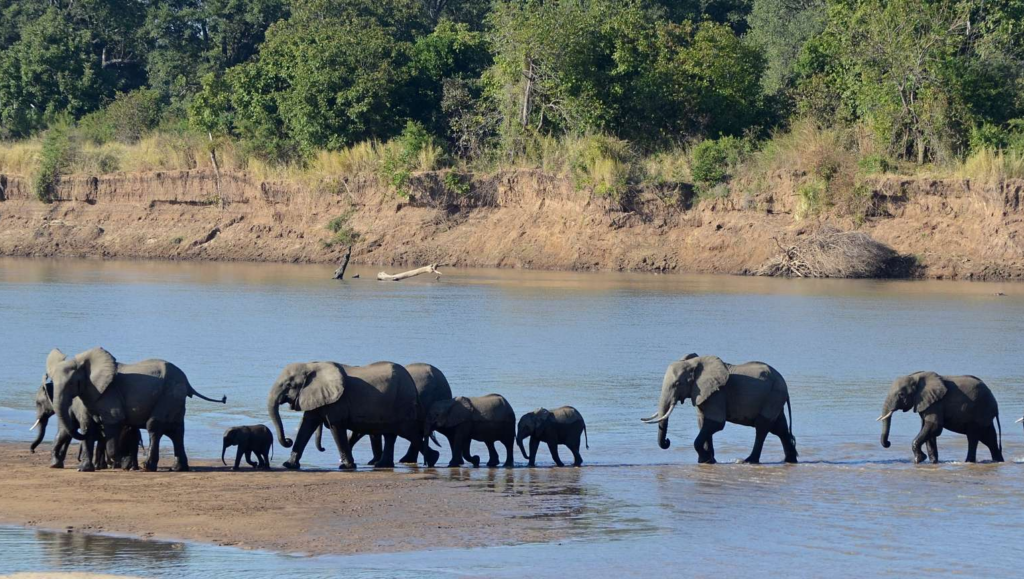
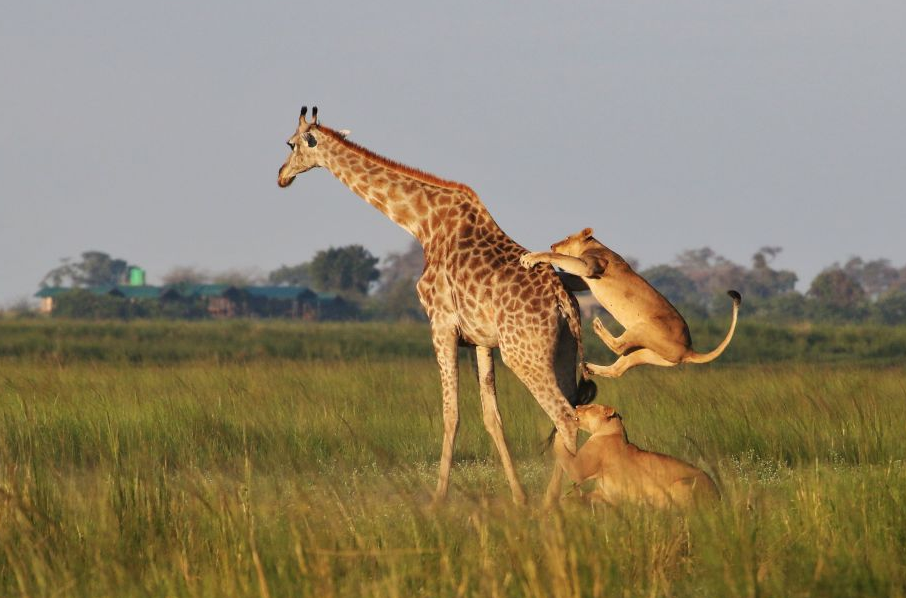 Etosha National Park includes various wildlife animal species that can be watched and these include; African elephants, Lions, Black rhinoceroses, White Rhinoceroses, Leopards, Giraffes, Cheetahs, Springbok, Gemsbok or oryx, Blue wildebeest, Plains zebra, Burchell's zebra, Eland, Red hartebeest, Black-faced impala, Damara dik-dik.
Other than wildlife animals, travelers can watch may species of birds as they fly from one tree to another and these include; waterbirds, Flamingos, pelicans, storks, cranes and other species like Woolly-necked stork, Lappet-faced vulture, Hartlaub's spurfowl, Rüppell's parrot, Meyer’s parrot, White-tailed shrike, Carp's tit.
Vegetation in Etosha National Park includes Salt pans, Grasslands, Shrublands, Mopane vegetation, Savannah, Woodland areas, Nama Karoo, grasslands, Kalahari woodland etc.
The dry season is considered as one of the best periods for traditional safari viewing and this happens in the months of May to October as a particularly favorable period for game viewing because the cooler, drier conditions which encourage animals to concentrate around available water sources.
The dry season also produces the classic Etosha landscape: pale earth, sparse vegetation, intense sunlight as animals gather around isolated water sources.
The Rainy Season
The rainy season creates a very different Etosha experience making the Grass and other vegetation greener, temporary pools appear and insects become more abundant. Migratory and water-associated birds may also arrive in large numbers.
Best Time to Visit
Etosha National Park can be visited anytime around the year although the Best Time to visit the Park is during the months of May to October as travelers get to view various wildlife animals as they gather at the water holes to break their thirst.
November to April
This period generally includes more rainfall and greener vegetation. Wildlife becomes more dispersed, but bird-watching can be excellent, and temporary wetlands may attract flamingos, pelicans and other waterbirds.
Tourism Activities to do in the Park
While in Etosha National Park, travelers can engage in various activities which include; Game drives, Wildlife photography, Bird-watching, Waterhole viewing, Night wildlife viewing, Guided safari drives.
With an area of approximately 49,768 square kilometres, Namib-Naukluft is Namibia’s largest conservation area. It is famous internationally for the towering dunes of Sossusvlei, the stark landscape of Deadvlei, the dramatic Sesriem Canyon, and the surrounding Namib Desert. The park also contains the Namib Sand Sea with diverse geological, ecological and evolutionary importance.
Wildlife
- Lion
- Leopard
- Elephant
- Rhinoceros
- Cape Buffalo
- Cheetah
- Giraffe
- Zebra
- Hippopotamus
- Wildebeest
- Hyena
- African Wild Dog
- Warthog
- Impala
- Gazelle
- Kudu
- Eland
- Bushpig
What You Can Do Here
Gallery
Swipe to browse · tap to enlarge