What is the Right Time to Book a Gorilla Safari in Africa?

How Far in Advance Should I Book a Gorilla Safari in East Africa?

Planning a gorilla safari in East Africa is an exciting adventure. This once-in-a-lifetime experience allows you to get close to endangered mountain gorillas in their natural habitat. A gorilla safari in Uganda, Rwanda, or the Democratic Republic of Congo (DRC) is an exciting adventure. However, it requires careful preparation because gorilla trekking permits are limited and highly sought after. Booking early ensures you secure your spot and have a stress-free experience. Below, we will explain in simple terms why advance booking is important, how far in advance to book, and the steps to make your dream gorilla trek a reality. However, because it’s such a unique activity, it requires careful planning and early booking.

Why Is Early Booking Important?

Booking your gorilla safari early is crucial for several reasons. Let’s look at why:

  1. Limited Permits: The main reason to book early is that gorilla trekking permits are limited. To protect mountain gorillas and their habitat, authorities restrict the number of visitors allowed to see the gorillas each day. For example:
  • In Uganda’s Bwindi Impenetrable National Park and Mgahinga Gorilla National Park, only 8 permits are issued per gorilla family per day.
  • Rwanda’s Volcanoes National Park has similar restrictions.

With only a few permits available daily, they often sell out quickly, especially during the high tourist season.

  1. High Demand in Peak Seasons

East Africa has two peak seasons for tourism:

  • June to August (dry season)
  • December to February (another dry season)

These months are popular because the weather is ideal for trekking, and wildlife viewing is at its best. During these periods, permits are in high demand, and waiting too long to book might mean missing out.

  1. Accommodation Availability

Lodges and hotels near gorilla trekking parks can also fill up quickly. Many of these accommodations are small, with limited rooms, designed to blend into the natural environment. If you don’t book early, you may struggle to find suitable lodging close to the park.

  1. Smooth Travel Planning

A gorilla safari often involves other activities, like visiting national parks for game drives or cultural tours. Early booking gives you time to arrange a seamless itinerary, including flights, transportation, and accommodations, without last-minute stress.

How Far in Advance to Book?

To ensure you secure permits, accommodations, and a well-organized trip, here’s how far in advance you should book your gorilla safari:

  1. General Recommendation: 6-12 Months
  • Booking 6-12 months in advance is the safest approach, particularly for travel during the peak seasons. This ensures you get your preferred trekking dates and accommodations.
    1. Peak Season: 9-12 Months
  • For travel in June-August or December-February, aim to book at least 9-12 months ahead. During these times, permits sell out fast, and accommodations are in high demand.
    1. Low Season: 3-6 Months
  • During the low season (March-May and October-November), there’s less competition for permits and lodges. You can book 3-6 months in advance, but earlier is still better.
    1. Last-Minute Bookings
  • If you’re booking last-minute, you might get lucky during the low season. However, it’s a gamble, and availability is not guaranteed.

Factors That Influence Booking Time

Several factors affect how far in advance you should book your gorilla safari:

  1. The Destination
  • Rwanda: Gorilla permits in Rwanda are more expensive ($1,500 per person), but they tend to be available closer to the trek date because of the price.
  • Uganda: Permits are more affordable ($800 per person) and highly sought after, making early booking essential.
  • Congo: Permits are the cheapest ($400 per person), but political instability can impact travel plans. Book early, but stay flexible.
  1. Group Size
  • If you are traveling with a group, it’s even more important to book early. Securing multiple permits for the same day and finding accommodations that can host everyone requires extra planning.
  1. Travel Season
  • High seasons demand earlier bookings. Low seasons are more flexible, but early booking is still advisable for peace of mind.
  1. Permit Availability
  • Permits are issued on a first-come, first-served basis. Once they’re gone, you have to wait for cancellations or choose a different date.
  1. Tour Operator Assistance
  • Booking through a reputable tour operator can make the process smoother. They often reserve permits in advance for their clients, giving you a better chance of securing a spot.

How to Plan Early for Gorilla Trekking

Planning early for your gorilla safari involves several steps:

  1. Choose Your Destination: Research the pros and cons of trekking in Uganda, Rwanda, or Congo. Consider permit costs, ease of access, and personal preferences.
  2. Decide on Travel Dates: Pick dates based on your schedule and the best seasons for trekking. Keep in mind that permits for peak seasons require earlier booking.
  3. Reserve Gorilla Permits First: Your first priority should be securing permits. Without them, your trip can’t happen. Tour operators can help you check availability and reserve permits.
  4. Book Accommodations Near the Park: Once you have permits, book accommodations near the trekking site. Choose lodges that fit your budget and offer easy access to the park.
  5. Organize Transportation: Plan how you’ll get to the park. Options include:
  • Flying into major cities (Kigali, Kampala, or Entebbe) and driving to the park.
  • Booking domestic flights to airstrips closer to the parks.
  1. Work With a Tour Operator
  • A trusted tour operator can handle logistics, including permits, transport, and accommodations. This makes the process easier, especially if you’re unfamiliar with the region.
  • Budget for the Trip
  • Include costs for:
    • Gorilla permits
    • Accommodations
    • Park entry fees
    • Transportation
    • Meals and tips
  1. Prepare for the Trek: Pack essentials like sturdy hiking boots, a rain jacket, gloves, and insect repellent. Get physically fit for the hike, which can be challenging.

Conclusion

Booking a gorilla safari in East Africa is a remarkable adventure that requires thoughtful preparation. To ensure you secure permits, accommodations, and a smooth travel experience, plan to book your trip 6-12 months in advance. For peak seasons, aim for 9-12 months, while the low season allows for 3-6 months.  By deciding on your destination, reserving permits, and working with a reliable tour operator, you can create an unforgettable experience. Early booking not only guarantees your spot but also reduces stress, giving you time to focus on enjoying this extraordinary journey.
 

Gorilla Trekking in Rwanda guide 2025/26 – Primate Safaris

Mountain Gorillas

Rwanda is one of only three countries in the world where you can experience the incredible activity of gorilla trekking. This once-in-a-lifetime adventure takes place in the lush forests of Volcanoes National Park, home to a significant population of mountain gorillas. Gorilla trekking in Rwanda is one of the most extraordinary wildlife experiences in the world, offering a chance to observe endangered mountain gorillas in their natural habitat. This unforgettable adventure takes place in Volcanoes National Park, part of the Virunga Mountains, a region renowned for its breathtaking scenery, dense forests, and diverse wildlife. Rwanda has positioned itself as a leading destination for responsible tourism, with strict conservation measures ensuring the protection of the gorillas while providing visitors with a safe and respectful experience.

Why Rwanda is a Top Destination for Mountain Gorilla Trekking

Rwanda has established itself as one of the premier destinations for mountain gorilla trekking, and for good reason. The country is renowned for its conservation efforts, which have helped stabilize and even grow the gorilla population. A visit to Rwanda is more than a tourist activity it directly contributes to the survival of these majestic animals. In addition to its conservation success, Rwanda’s accessibility makes it an excellent choice for visitors.

Volcanoes National Park is just a two-hour drive from Kigali, the capital city, making it convenient for short trips. Rwanda also offers an exceptional range of accommodations, from luxury lodges to budget-friendly guesthouses, ensuring a comfortable stay for all types of travelers.

“It’s extremely important that, as a writer, we give a voice to those who don’t have voices, including the other animals that we share the planet with and the places that are endangered or being lost.”

What is Gorilla Trekking in Rwanda Like ?

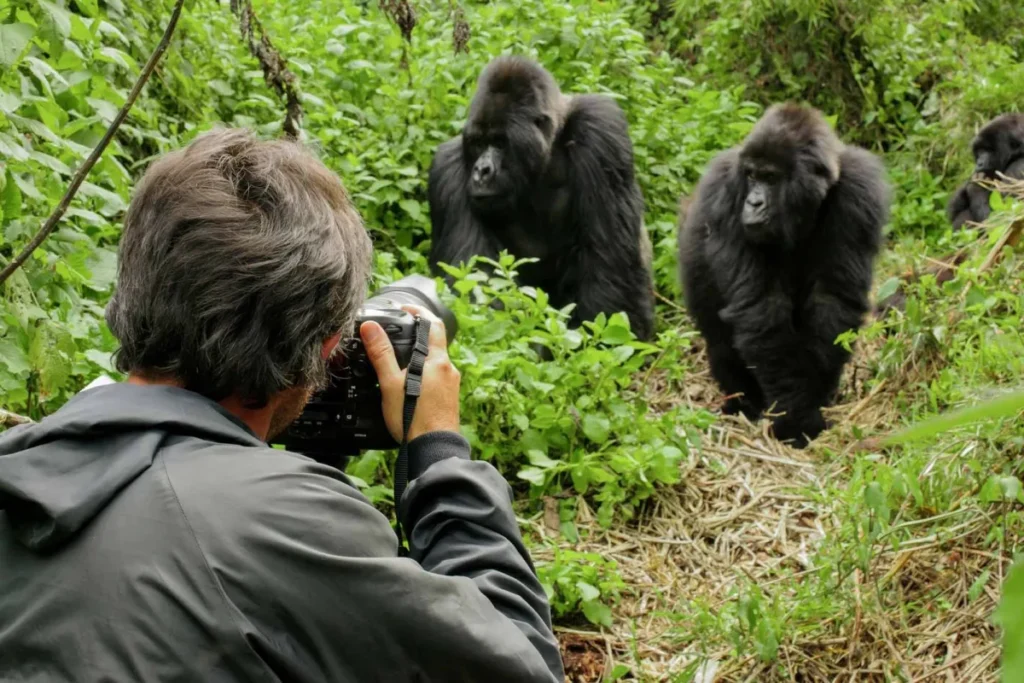
Gorilla trekking is an outdoor adventure that involves hiking through forests to find and observe mountain gorillas in their natural habitat. Unlike a typical wildlife safari, gorilla trekking is a more intimate and immersive experience. You don’t view the animals from a distance or inside a vehicle; instead, you trek on foot through dense forests until you encounter a gorilla family.

The Experience of Face to Face with Mountain Gorillas in Their Natural Habitat

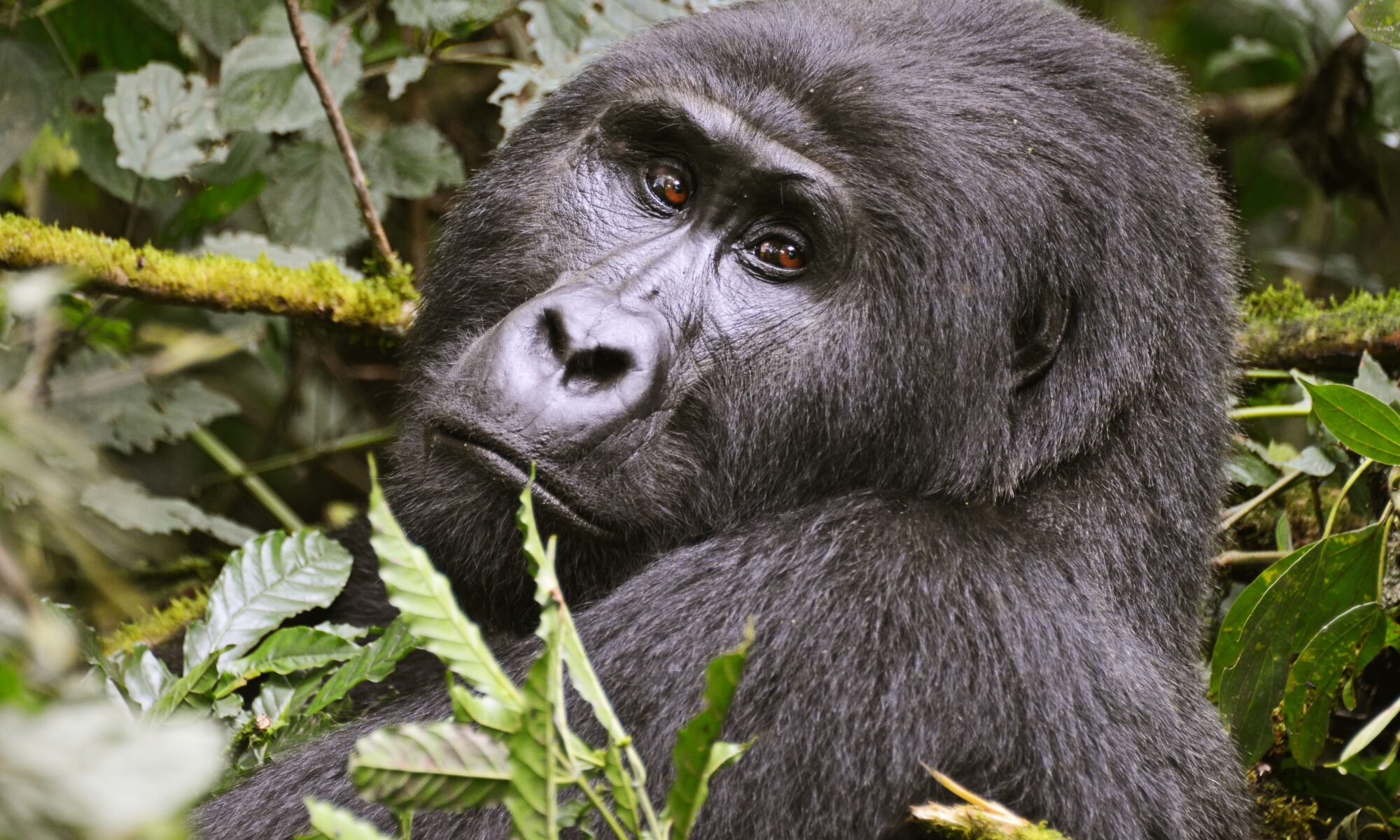
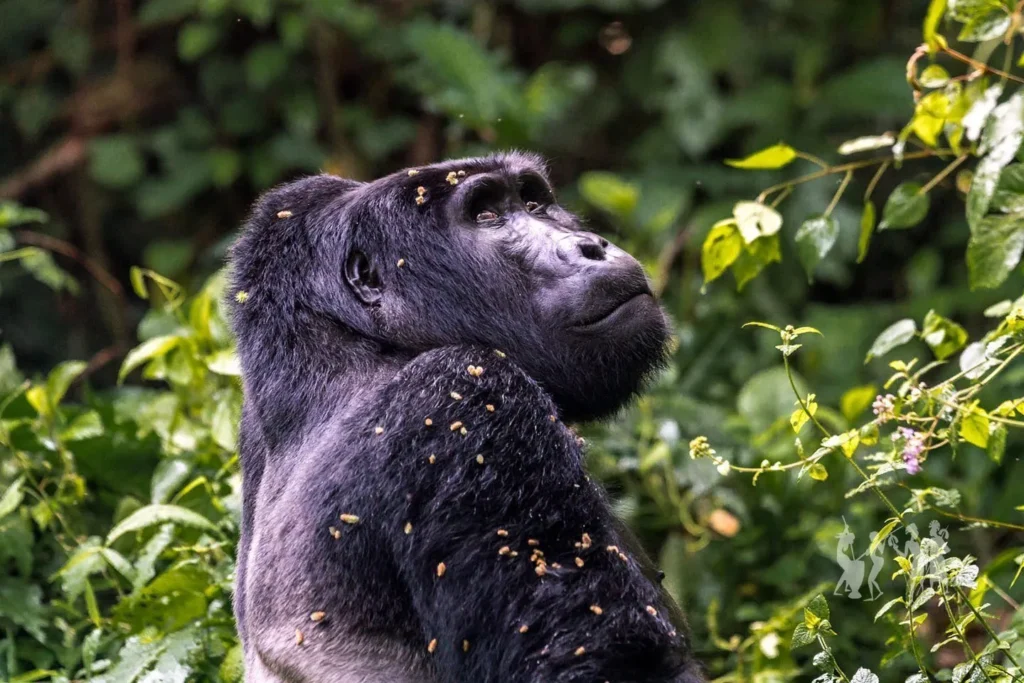
When you finally meet the gorillas face to face, the experience is magical and extremely unique like the hunt of the big five in Masai Mara Kenya or Serengeti Tanzania . The first sight of a silverback the dominant male of the group is awe-inspiring. You might see young gorillas playing, mothers caring for their infants, or the silverback watching over the group with a calm yet powerful presence. Mountain gorillas are known for their gentle behaviour and striking similarities to humans. Observing them up close just a few meters away feels like a privilege. The one hour you’re allowed to spend with them passes quickly, but it’s filled with unforgettable moments that stay with you forever.

Where to Go Gorilla Trekking in Rwanda

Volcanoes National Park: Volcanoes National Park is the only place in Rwanda where gorilla trekking is conducted. Located in the northern part of the country, this park is part of the Virunga Massif, a mountain range that also extends into Uganda and the Democratic Republic of Congo. The park is a mix of bamboo forests, lush rainforests, and volcanic peaks, creating a breathtaking backdrop for the trek.

Volcanoes National Park is more than just a trekking destination it’s a symbol of Rwanda’s dedication to conservation. The park is home to several endangered species, including golden monkeys, and serves as a vital habitat for mountain gorillas. It’s also famous as the research base of Dian Fossey, the legendary primatologist whose work brought global attention to the plight of mountain gorillas.

Best Time for Gorilla Trekking

The best time to go gorilla trekking in Rwanda is during the dry seasons:

  • June to September: This is the long dry season, characterized by sunny weather and easier trekking conditions. It’s also the busiest time for tourism.
  • December to February: The short dry season offers similar advantages, with fewer visitors compared to the mid-year peak.

During the wet seasons (March to May and October to November), trekking is still possible, but trails may be muddy and more challenging to navigate.

Practical Gorilla Trekking Experience

Briefing
Now days the visitors or guides are expected to fill the forms at the park headquarter the evening before the gorilla trekking day if they would like to have some special needs from Volcanoes National Park .

Verification of the payment can also be handled in the evening to avoid delays on the gorilla trekking in the morning hours . The day begins with a morning briefing at the park headquarters. Here, rangers provide an overview of the day, explain the rules, and assign trekking groups.

Grouping
Visitors are grouped based on their fitness levels and preferences. Each group is assigned a ranger guide and a specific gorilla family.

Trek Duration

The trek can range from 1 to 8 hours, depending on where the gorillas are located. The hike involves navigating steep terrain, dense vegetation, and sometimes muddy trails.

Encounter
Once you find the gorillas, you’ll spend one magical hour observing them. Rangers ensure that visitors maintain a safe distance (at least 7 meters) and follow all guidelines to protect the animals.

Rules and Guidelines

To ensure the safety of both gorillas and visitors, the following rules must be followed:

  • Stay home if sick to protect gorillas from human diseases.
  • Sanitize hands before trekking.
  • Keep at least 7 meters (23 feet) from the gorillas.
  • Avoid touching gorillas, even if they come close.
  • Stay quiet and calm; avoid sudden movements.
  • No flash photography.
  • Do not eat or drink near gorillas.
  • Spend a maximum of one hour with the gorillas.
  • Avoid direct eye contact or approaching sick gorillas.
  • Do not leave designated paths.
  • No smoking, littering, or taking anything from the forest.
  • Only eight people are allowed per gorilla group visit.
  • Follow ranger instructions and respect the environment to support conservation efforts.

Physical Fitness and Preparation

Fitness Requirements for the Trek

While gorilla trekking doesn’t require extreme fitness, a moderate level of physical health is important. The hike can be strenuous, especially in steep or slippery areas.

Recommended Clothing and Gear

  • Hiking boots: Essential for navigating uneven terrain.
  • Rain jacket: Protects against sudden rain showers.
  • Long-sleeved clothing: Protects against scratches and insect bites.
  • Gloves: Useful for gripping vegetation during the trek.

Essentials to Carry

Pack water, snacks, insect repellent, a camera (without flash), and a walking stick (often provided at the park).

Accommodation Options

Rwanda offers a range of accommodation options near Volcanoes National Park to suit all budgets:

  • Luxury: Bisate Lodge, One & Only Gorilla’s Nest.
  • Mid-Range: Le Bambou Gorilla Lodge, Mountain Gorilla View Lodge., Five Volcanoes
  • Budget: Kinigi Guesthouse, Da Vinci Gorilla Lodge.

Planning a primate Safari in Uganda 2025

Uganda Safaris

Uganda is one of the top primate safari destinations in Africa, especially for wildlife lovers who want to see gorillas, chimpanzees, and other primates in their natural habitats. A primate safari typically involves going on an excursion to observe and learn about wild monkeys, apes, and other primates in the wild.

Uganda stands out as a number one prime destination because it offers some of the best opportunities in the world to see rare and endangered primates. To have the best experience, it’s important to plan for your safari adventure and be ready for the unique experience of seeing these amazing creatures in the wild.

Choose Your Destination Carefully, choosing the right destination for your primate safari in Uganda depends on your primary interests (mountain gorillas, chimpanzees, golden monkeys, etc.), your physical abilities, and how much time you have. Bwindi Impenetrable National Park is ideal for gorilla trekkers, while Kibale is perfect for chimpanzee lovers. If you’re interested in both gorillas and monkeys, Mgahinga and Bwindi might be the best combination additionally Semuliki Wildlife Reserve, is one of the more remote primate destinations offering Patas monkeys and Mona monkeys.

Each destination offers its own unique experience, and your choice will ultimately shape the kind of safari adventure you have in terms of accessibility, difficulty, and what you’ll see, so understanding the options can help you plan a trip that matches your preferences, fitness level, and interests that’s why selecting the right one for you is crucial:

Make a packing list, to make your primate safari experience more comfortable and increase your chances of success in seeing primates up close, packing the right gear is essential, clothing should be neutral and earth-toned to blend in with the environment and avoid startling the animals, long sleeves and pants are necessary to protect yourself from insects and brush, while comfortable, sturdy shoes or hiking boots with good traction are ideal for trekking through the jungle or forest. Weather can be unpredictable, so be sure to pack rain gear like a waterproof jacket or poncho, a hat and sunglasses will protect you from the sun, which is important even in forested areas. Don’t forget insect repellent, sunscreen, a camera with binoculars, and a water bottle to stay hydrated, a small daypack will help carry essentials. Proper gear enhances comfort, safety, and the overall experience while trekking to see Uganda’s amazing primates.

Research about primates and their Habitats, learn about the primates you’ll see, like what they eat, how they behave, and where they live, this will make your experience better because you will understand their world more. Respect the environment by knowing how important these animals are for nature, and how your visit can help protect them, make sure to choose ethical tours that teach you to keep a safe distance, stay quiet, and avoid actions that could upset the animals.

Book through ethical Tour Operators, when planning a primate safari in Uganda, it’s important to use a reputable tour operator. A good operator will help ensure that your trip is safe, enjoyable, and well-organized. They know the best places to see primates, like Bwindi Impenetrable National Park or Kibale, and can help you book permits for activities like gorilla trekking. They’ll also have experienced guides who know how to track primates and provide a deeper understanding of their behavior. A reputable tour operator will follow ethical guidelines, ensuring your visit doesn’t disturb the animals or their environment. Check reviews and make sure the operator has a good reputation for offering quality services and respecting wildlife conservation.

Choose a good 4×4 vehicle, when going on a primate safari in Uganda, choosing a reliable 4×4 vehicle is essential. Some safari destinations, like Bwindi Impenetrable National Park or Kibale, have rough, bumpy, and sometimes muddy roads that require a sturdy vehicle to navigate. A regular car won’t be able to handle these conditions, so a 4×4 ensures you can reach remote areas like Semliki comfortably and safely. Look for a vehicle with enough space for your group and gear, a strong engine, and good suspension to handle the tough terrain. Air conditioning is also important, as Uganda can get quite hot. Before your trip, always check that the vehicle is in good condition to avoid any breakdowns, ensuring a smooth and enjoyable safari experience.

Timing, best time to visit, when planning a primate safari in Uganda, it’s important to think about the best time to visit. The best months are usually June to September and December to February. These months are part of the dry season, which means the weather is better for trekking through the forests to see the primates. The trails will be less muddy, and it’s easier to spot the animals. However, Uganda’s weather can be unpredictable, so be ready for some rain, even during the dry season. If you visit during the rainy season, from March to May or October to November, the forests can be slippery, and some roads may be harder to travel. But visiting during the off-season can also mean fewer tourists, giving you a quieter experience with the primates.

Mental Preparation, when going on a primate safari in Uganda, remember that patience is key. Primates can be hard to find, and it may take time to spot them. Be ready for long hikes and treks that could last hours. Also, always respect wildlife you’re visiting their home, so keep a safe distance and observe their natural behavior without disturbing them. Expect the unexpected, as nature is unpredictable. Weather, the terrain, and the animals’ movements can change your plans, so being flexible is important. Finally, make sure to plan for the unexpected by bringing any medications you may need, a basic first aid kit, and knowing the local emergency numbers and how to contact your tour operator.

Have Realistic Expectations, when going on a primate safari, it’s important to have realistic expectations. This means understanding that you might not always see the primates right away, as they can be hard to find and are often hidden in the trees or deep in the forest. Sometimes, the weather or terrain might make the trek more challenging. Also, remember that primates are wild animals, so their behavior can be unpredictable. While a safari is a great adventure, don’t expect everything to go perfectly just enjoy the experience.

Conclude

With the right planning and mindset, your primate safari in Uganda will be an unforgettable adventure. By choosing the best destination, packing wisely, and being respectful of both the animals and the environment, you’ll ensure a rewarding and memorable experience. Whether you’re tracking gorillas in Bwindi or chimpanzees in Kibale, Uganda offers some of the most incredible wildlife encounters in the world. Stay patient, flexible, and enjoy every moment of this unique journey into nature’s wild heart. Happy travels and may your safari be filled with incredible memories.