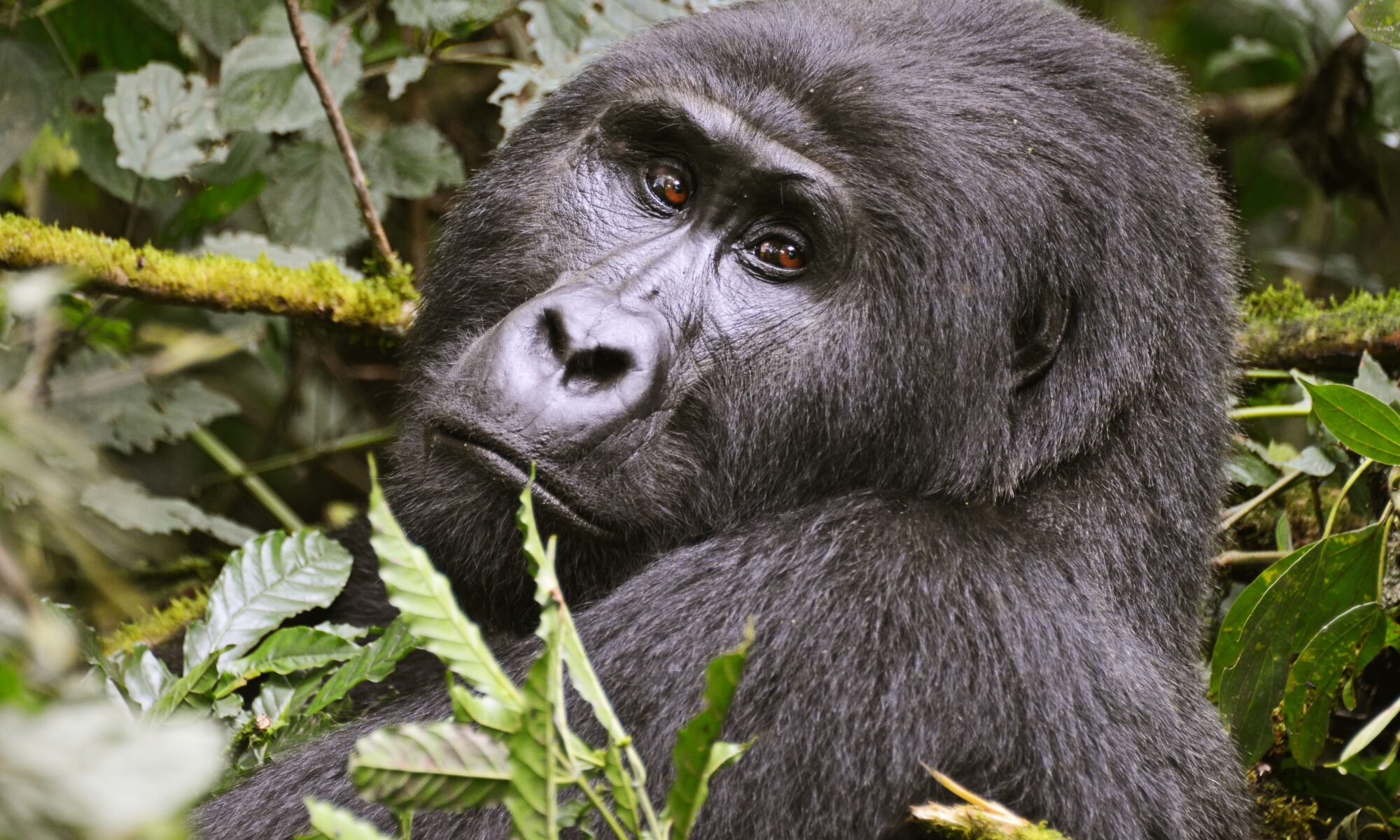
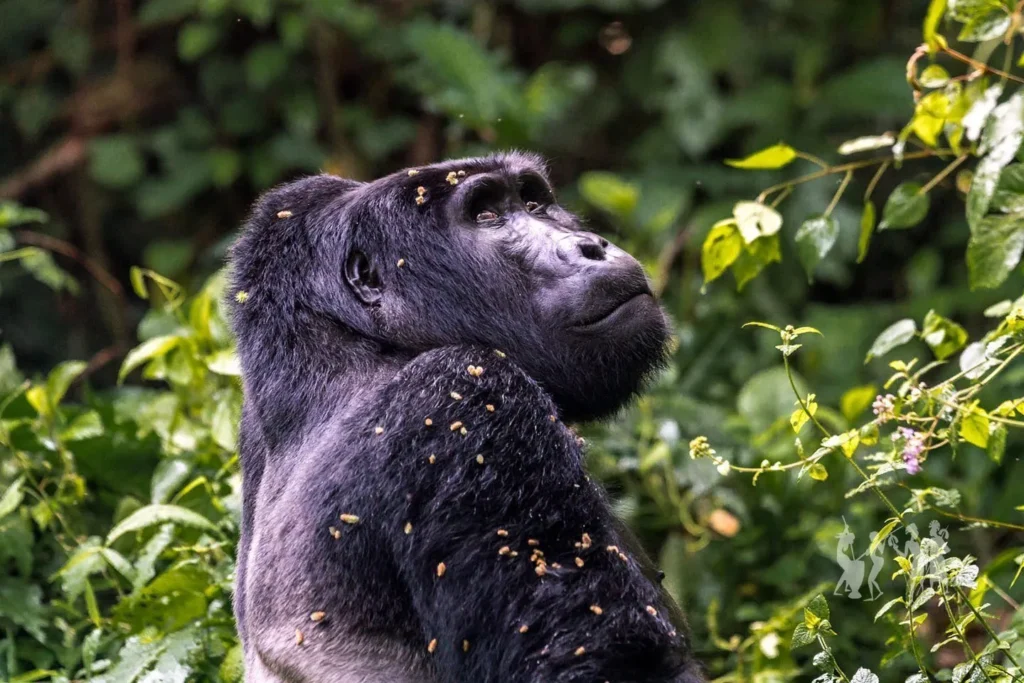
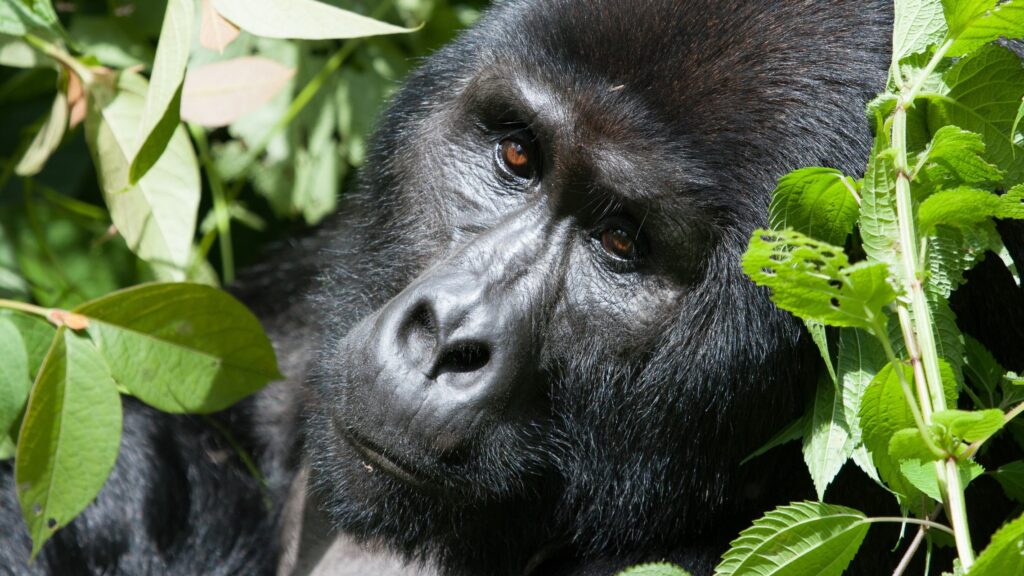
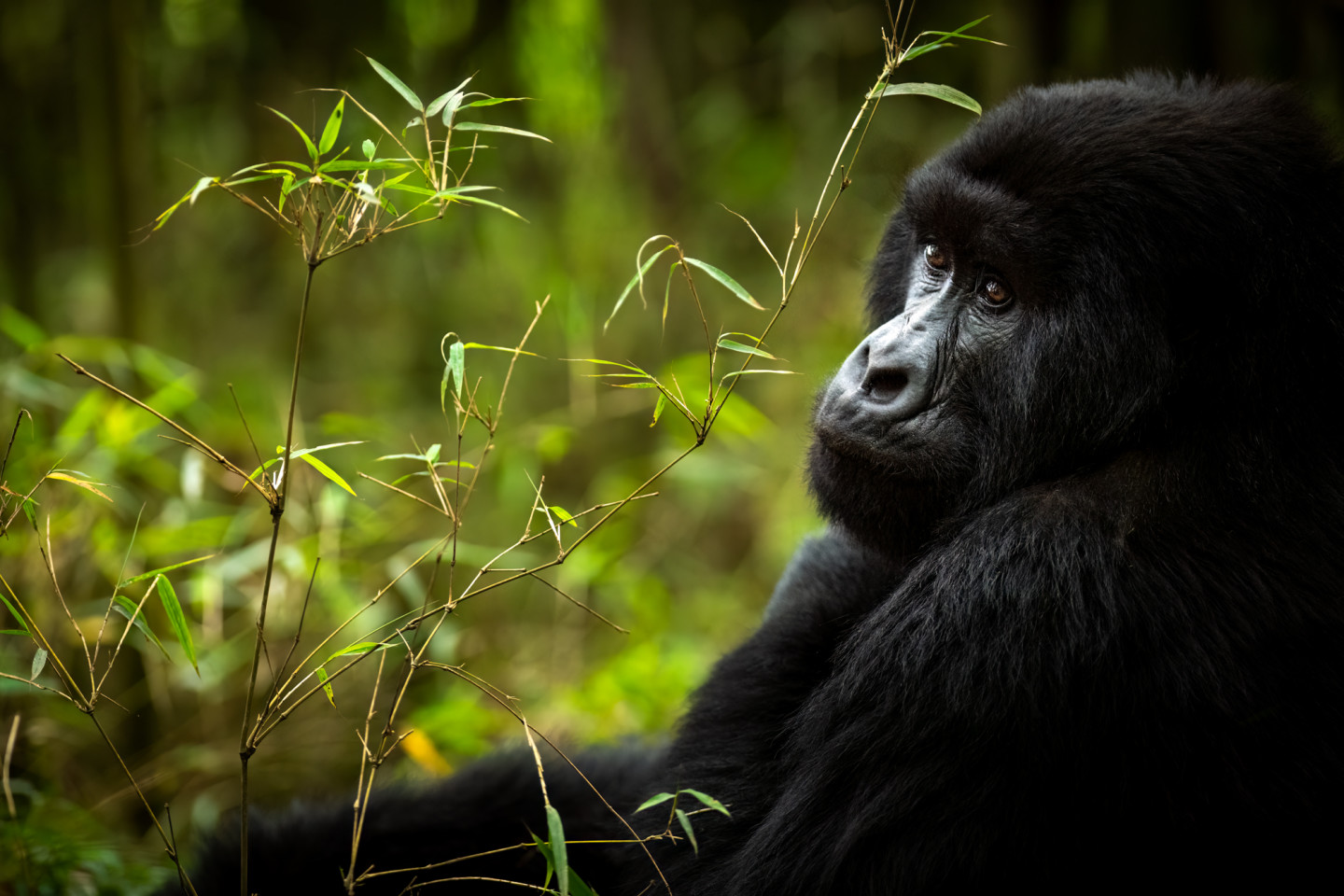
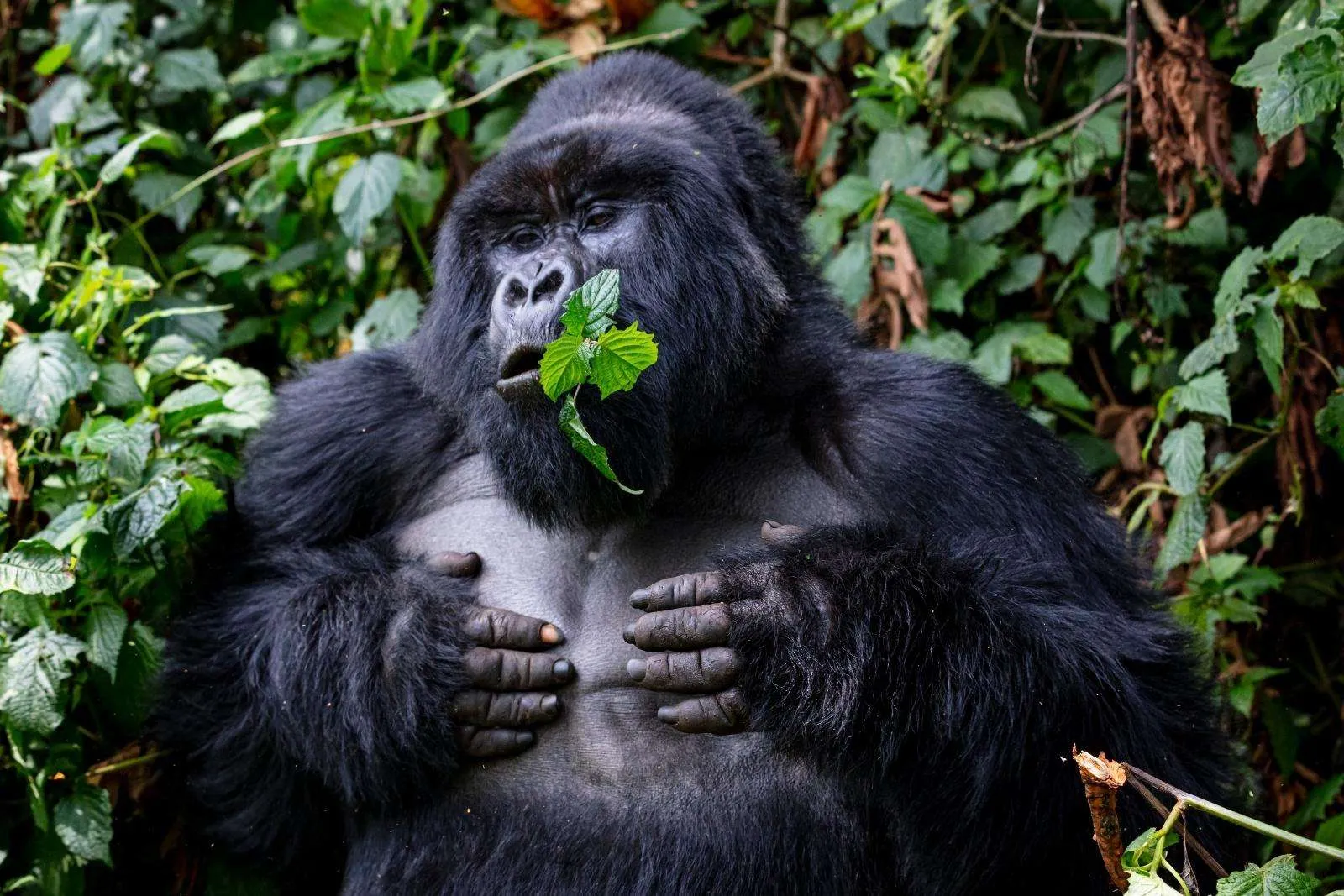
Rwanda is one of only three countries in the world where you can experience the incredible activity of gorilla trekking. This once-in-a-lifetime adventure takes place in the lush forests of Volcanoes National Park, home to a significant population of mountain gorillas. Gorilla trekking in Rwanda is one of the most extraordinary wildlife experiences in the world, offering a chance to observe endangered mountain gorillas in their natural habitat. This unforgettable adventure takes place in Volcanoes National Park, part of the Virunga Mountains, a region renowned for its breathtaking scenery, dense forests, and diverse wildlife. Rwanda has positioned itself as a leading destination for responsible tourism, with strict conservation measures ensuring the protection of the gorillas while providing visitors with a safe and respectful experience.
Why Rwanda is a Top Destination for Mountain Gorilla Trekking
Rwanda has established itself as one of the premier destinations for mountain gorilla trekking, and for good reason. The country is renowned for its conservation efforts, which have helped stabilize and even grow the gorilla population. A visit to Rwanda is more than a tourist activity it directly contributes to the survival of these majestic animals. In addition to its conservation success, Rwanda’s accessibility makes it an excellent choice for visitors.
Volcanoes National Park is just a two-hour drive from Kigali, the capital city, making it convenient for short trips. Rwanda also offers an exceptional range of accommodations, from luxury lodges to budget-friendly guesthouses, ensuring a comfortable stay for all types of travelers.
“It’s extremely important that, as a writer, we give a voice to those who don’t have voices, including the other animals that we share the planet with and the places that are endangered or being lost.”
What is Gorilla Trekking in Rwanda Like ?
Gorilla trekking is an outdoor adventure that involves hiking through forests to find and observe mountain gorillas in their natural habitat. Unlike a typical wildlife safari, gorilla trekking is a more intimate and immersive experience. You don’t view the animals from a distance or inside a vehicle; instead, you trek on foot through dense forests until you encounter a gorilla family.
The Experience of Face to Face with Mountain Gorillas in Their Natural Habitat
When you finally meet the gorillas face to face, the experience is magical and extremely unique like the hunt of the big five in Masai Mara Kenya or Serengeti Tanzania . The first sight of a silverback the dominant male of the group is awe-inspiring. You might see young gorillas playing, mothers caring for their infants, or the silverback watching over the group with a calm yet powerful presence. Mountain gorillas are known for their gentle behaviour and striking similarities to humans. Observing them up close just a few meters away feels like a privilege. The one hour you’re allowed to spend with them passes quickly, but it’s filled with unforgettable moments that stay with you forever.
Where to Go Gorilla Trekking in Rwanda
Volcanoes National Park: Volcanoes National Park is the only place in Rwanda where gorilla trekking is conducted. Located in the northern part of the country, this park is part of the Virunga Massif, a mountain range that also extends into Uganda and the Democratic Republic of Congo. The park is a mix of bamboo forests, lush rainforests, and volcanic peaks, creating a breathtaking backdrop for the trek.
Volcanoes National Park is more than just a trekking destination it’s a symbol of Rwanda’s dedication to conservation. The park is home to several endangered species, including golden monkeys, and serves as a vital habitat for mountain gorillas. It’s also famous as the research base of Dian Fossey, the legendary primatologist whose work brought global attention to the plight of mountain gorillas.
Best Time for Gorilla Trekking
The best time to go gorilla trekking in Rwanda is during the dry seasons:
June to September: This is the long dry season, characterized by sunny weather and easier trekking conditions. It’s also the busiest time for tourism.
December to February: The short dry season offers similar advantages, with fewer visitors compared to the mid-year peak.
During the wet seasons (March to May and October to November), trekking is still possible, but trails may be muddy and more challenging to navigate.
Practical Gorilla Trekking Experience
Briefing Now days the visitors or guides are expected to fill the forms at the park headquarter the evening before the gorilla trekking day if they would like to have some special needs from Volcanoes National Park .
Verification of the payment can also be handled in the evening to avoid delays on the gorilla trekking in the morning hours . The day begins with a morning briefing at the park headquarters. Here, rangers provide an overview of the day, explain the rules, and assign trekking groups.
Grouping Visitors are grouped based on their fitness levels and preferences. Each group is assigned a ranger guide and a specific gorilla family.
Trek Duration
The trek can range from 1 to 8 hours, depending on where the gorillas are located. The hike involves navigating steep terrain, dense vegetation, and sometimes muddy trails.
Encounter Once you find the gorillas, you’ll spend one magical hour observing them. Rangers ensure that visitors maintain a safe distance (at least 7 meters) and follow all guidelines to protect the animals.
Rules and Guidelines
To ensure the safety of both gorillas and visitors, the following rules must be followed:
Stay home if sick to protect gorillas from human diseases.
Sanitize hands before trekking.
Keep at least 7 meters (23 feet) from the gorillas.
Avoid touching gorillas, even if they come close.
Stay quiet and calm; avoid sudden movements.
No flash photography.
Do not eat or drink near gorillas.
Spend a maximum of one hour with the gorillas.
Avoid direct eye contact or approaching sick gorillas.
Do not leave designated paths.
No smoking, littering, or taking anything from the forest.
Only eight people are allowed per gorilla group visit.
Follow ranger instructions and respect the environment to support conservation efforts.
Physical Fitness and Preparation
Fitness Requirements for the Trek
While gorilla trekking doesn’t require extreme fitness, a moderate level of physical health is important. The hike can be strenuous, especially in steep or slippery areas.
Recommended Clothing and Gear
Hiking boots: Essential for navigating uneven terrain.
Rain jacket: Protects against sudden rain showers.
Long-sleeved clothing: Protects against scratches and insect bites.
Gloves: Useful for gripping vegetation during the trek.
Essentials to Carry
Pack water, snacks, insect repellent, a camera (without flash), and a walking stick (often provided at the park).
Accommodation Options
Rwanda offers a range of accommodation options near Volcanoes National Park to suit all budgets:
Luxury: Bisate Lodge, One & Only Gorilla’s Nest.
Mid-Range: Le Bambou Gorilla Lodge, Mountain Gorilla View Lodge., Five Volcanoes
Budget: Kinigi Guesthouse, Da Vinci Gorilla Lodge.
Top Countries for unforgettable Primate Safari – Gorilla Trekking & Chimpanzee watching .
East Africa is one of the most exciting regions in the world for primate safaris. The region is home to some of the most fascinating primates on the planet, including gorillas, chimpanzees, baboons, and monkeys, all of which can be seen in their natural environments. If you are passionate about wildlife and primates, a trip to East Africa can be a once-in-a-lifetime experience. This detailed guide will explore the best countries in East Africa for primate safaris, highlighting the top destinations, the primates you can see, and useful travel information.
Uganda – The Gorilla Capital
Uganda is widely regarded as one of the best places in the world to go for a primate safari, particularly for those looking to see the endangered mountain gorillas. Uganda offers both gorilla trekking and chimpanzee tracking opportunities, making it a prime destination for primate lovers.
Top Primate Destinations in Uganda
Bwindi Impenetrable National Park Bwindi is Uganda’s most famous park for gorilla trekking. It is home to more than half of the world’s mountain gorilla population. The park is dense with tropical rainforest, and treks can be physically challenging as you navigate steep terrain and thick jungle. Bwindi is home to several habituated gorilla families that tourists can track, and the park offers an intimate experience as you get up close to these magnificent creatures in their natural habitat. The park is a UNESCO World Heritage Site, and you’ll likely see not only gorillas but other primates like baboons, monkeys, and several bird species.
Mgahinga Gorilla National Park Although smaller than Bwindi, Mgahinga is another great destination for gorilla trekking. Located in the Virunga Mountain range, Mgahinga is known for its beautiful landscapes and smaller gorilla families, including the famous ‘Hirwa’ group. It is also home to the golden monkey, a rare and endangered species that is unique to the region.
Kibale National Park Kibale is one of the best places in the world for chimpanzee tracking. The park has a dense tropical forest and is home to around 1,500 chimpanzees, making it an ideal location for visitors who want to see our closest relatives in the wild. Besides chimpanzees, Kibale is home to other primates such as red-tailed monkeys, grey-cheeked mangabeys, and black-and-white colobus monkeys. Visitors to Kibale can enjoy both chimpanzee tracking and forest walks to see other wildlife.
Why Visit Uganda for Primate Safaris?
Uganda offers a unique combination of gorilla and chimpanzee trekking in lush, biodiverse environments. It is one of the most affordable destinations for gorilla trekking, with permits costing less than those in Rwanda. Uganda’s parks are less crowded than other countries, making it easier to have a more personal and rewarding experience with the wildlife.
Rwanda – The Land of a Thousand Hills
Rwanda is another top destination for gorilla trekking, offering some of the best experiences in the world for observing mountain gorillas. Known as the “Land of a Thousand Hills,” Rwanda’s stunning landscapes, combined with its commitment to conservation, make it a must-visit destination for primate safaris.
Top Primate Destinations in Rwanda
Volcanoes National Park Volcanoes National Park is Rwanda’s most famous park for gorilla trekking. The park is part of the Virunga Mountains, which stretch across Rwanda, Uganda, and the Democratic Republic of Congo. Volcanoes National Park is home to around 12 gorilla families that have been habituated to human presence. The treks here are generally shorter and easier than those in Uganda, making it a popular choice for tourists. Trekking in the park offers the chance to see these majestic creatures up close, usually in the lush, cloud-covered forests of the Virungas.
Nyungwe Forest National Park While Volcanoes National Park is known for gorillas, Nyungwe Forest is a gem for chimpanzee lovers. Nyungwe is one of the oldest rainforests in Africa, and it is home to a large population of chimpanzees. Visitors can take part in chimpanzee tracking tours and also enjoy birdwatching and hiking through the forest. Nyungwe is also home to other primates like the Angola colobus monkey, vervet monkeys, and blue monkeys.
Why Visit Rwanda for Primate Safaris?
Rwanda is famous for offering a premium gorilla trekking experience, with excellent infrastructure, luxury lodges, and experienced guides. The country’s conservation efforts have been highly successful in protecting mountain gorillas, making it an excellent choice for those looking to see gorillas in a well-managed and sustainable environment. Although the cost of permits in Rwanda is higher than in Uganda, the trekking experience here is often more comfortable, with well-maintained trails and shorter trekking times.
Tanzania – Chimpanzee and Monkey Kingdom
Tanzania is widely known for its incredible wildlife, especially its big game safaris in the Serengeti and Ngorongoro Crater. However, Tanzania is also home to excellent primate safaris, particularly for those wanting to see chimpanzees in the wild. Unlike Uganda and Rwanda, Tanzania does not offer gorilla trekking, but it excels in offering unique primate experiences.
Top Primate Destinations in Tanzania
Gombe Stream National Park Gombe is famous as the site where Jane Goodall conducted her groundbreaking research on chimpanzee behaviour. The park is located on the shores of Lake Tanganyika and is one of the best places in the world to see wild chimpanzees. The park’s chimpanzee population is well-habituated, so visitors can observe these intelligent creatures up close in their natural forested habitat. Gombe is also home to other primates like baboons, red colobus monkeys, and vervet monkeys.
Mahale Mountains National Park Mahale is another fantastic destination for chimpanzee tracking. Located along the western shore of Lake Tanganyika, Mahale offers a more secluded experience with fewer tourists. The park has a large chimpanzee population, and visitors can track them through the beautiful mountainous terrain and forests. In addition to chimpanzees, Mahale is also home to other primates such as red colobus monkeys and blue monkeys.
Why Visit Tanzania for Primate Safaris?
Tanzania offers a more off-the-beaten-path primate safari experience. Gombe and Mahale are remote parks, meaning they are less crowded than other destinations, which leads to a more intimate and peaceful experience. Both parks also offer a combination of chimpanzee trekking and stunning views of the surrounding landscapes, such as Lake Tanganyika and the Mahale Mountains.
Kenya – A Different Primate Safari
Kenya is best known for its incredible big game safaris, but it also offers fantastic opportunities to see primates in the wild. While Kenya doesn’t have gorillas or chimpanzees, it is home to several other primate species, including baboons, monkeys, and the rare Colobus monkey.
Top Primate Destinations in Kenya
Kakamega Forest Kakamega Forest is the last remaining tropical rainforest in Kenya and is a haven for primates. The forest is home to a wide variety of species, including the endangered black-and-white colobus monkey, which is often seen swinging through the treetops. Other primates found in the forest include red-tailed monkeys, blue monkeys, and De Brazza’s monkeys. Kakamega is also rich in birdlife, making it a great destination for nature lovers.
Mount Kenya National Park Mount Kenya National Park offers a different kind of primate safari. The park is home to olive baboons, which are commonly seen in the lower slopes of the mountain. Sykes’ monkeys can also be spotted in the park. Visitors can enjoy a mix of trekking and primate observation, with the stunning backdrop of Mount Kenya’s snow-capped peak.
Why Visit Kenya for Primate Safaris?
Kenya is ideal for those who want to combine a traditional safari experience with primate watching. The country’s diverse ecosystems offer opportunities to see a variety of primates in both forests and savannas. While Kenya doesn’t offer gorilla or chimpanzee trekking, it still has a rich diversity of primates that are easily accessible, often as part of a larger wildlife safari.
Democratic Republic of the Congo (DRC) – The Ultimate Primate Adventure
The Democratic Republic of Congo (DRC) is a less-visited but incredibly rewarding destination for primate safaris. The country is home to both mountain gorillas and lowland gorillas, as well as a wide variety of chimpanzees.
Top Primate Destinations in the DRC
Virunga National Park Virunga is Africa’s oldest national park and is home to a large population of mountain gorillas. It is a UNESCO World Heritage Site and offers a thrilling gorilla trekking experience. Virunga is also known for its lowland gorilla population, and it is one of the few places in the world where you can track both types of gorillas in the same country.
Kahuzi-Biega National Park Located in eastern DRC; Kahuzi-Biega is the only park in the world where tourists can see eastern lowland gorillas. These gorillas are significantly larger than mountain gorillas and live in the dense forests of the park. Tracking them is a more remote and adventurous experience, with fewer tourists visiting the area.
Why Visit the DRC for Primate Safaris?
The DRC offers a truly unique experience for those interested in gorilla trekking. With both mountain and lowland gorillas, it is the only place where you can encounter these two incredible species. While the DRC can be challenging to visit due to political instability in certain areas, it remains a top destination for those seeking an adventurous and exclusive primate safari.
Conclusion
East Africa is a paradise for primate enthusiasts. Whether you are hoping to see gorillas in Uganda, chimpanzees in Tanzania, or unique species in Kenya, each country offers something special. For those seeking an intimate and personal experience with primates, Uganda and Rwanda are the top destinations for gorilla trekking, while Tanzania and Kenya offer excellent opportunities to see chimpanzees and other monkeys. The DRC provides the rare chance to see both mountain and lowland gorillas, making it an ideal choice for adventurous travellers. Each country has its own charm, so the best destination depends on your interests, budget, and travel preferences.
Gorilla safaris in the Democratic Republic of the Congo (DRC) stand out as a truly unique and adventurous experience compared to other countries in East and Central Africa. This is due to a combination of factors ranging from the country’s diverse landscapes, the rare and special gorilla species, and the more rugged, raw nature of the safaris.
The DRC is home to some of the most untouched and pristine environments for gorilla trekking, and although it has faced challenges, it offers a different type of adventure compared to destinations like Uganda, Rwanda, or Kenya.
The Rare Eastern Lowland Gorillas in Congo
The DRC is one of the few places on Earth where you can encounter the rare Eastern Lowland Gorillas (Gorilla beringei graueri), a subspecies of the Eastern Gorilla. This subspecies is distinct from the Mountain Gorillas found in Uganda and Rwanda and the Western Gorillas found in other parts of Central Africa. The Eastern Lowland Gorillas are only found in the rain forests of eastern DRC, particularly in the Kahuzi-Biega National Park and other areas of the eastern DRC.
These gorillas are larger and have a different physical appearance compared to their mountain counterparts. Their habitat is mostly found in lowland tropical forests, making them a little less accessible than mountain gorillas, which live at higher altitudes. Eastern Lowland Gorillas are critically endangered, with only a few thousand remaining, which makes encountering them in the wild a rare privilege. Therefore, DRC provides an exclusive opportunity to see these magnificent creatures in their natural habitat.
The Kahuzi-Biega National Park: A Unique Gorilla Trekking in Congo
In the entire world, the only destination that is open for Eastern Lowland Gorilla Trekking is Kahuzi Biega National Park. This UNESCO World Heritage Site is a biodiversity hotspot, located in the eastern part of the country near Bukavu, South Kivu Province. The park spans a vast area of over 6,000 square kilometers and is known for its rich flora and fauna, including the rare Eastern Lowland Gorillas.
Kahuzi-Biega offers a more rugged and less touristy experience compared to other gorilla trekking destinations in Africa. While other countries, like Rwanda and Uganda, have well-established trekking routes and infrastructure, the DRC’s gorilla trekking experience is still relatively undeveloped, offering a much more raw and authentic experience. This lack of mass tourism means fewer tourists visit the park, so travelers often feel they have the place to themselves, which can create a more intimate and personal experience with nature.
In Kahuzi-Biega, visitors have the chance to trek through dense forests, hike up hills, and discover the gorillas in their natural environment. The terrain is often challenging, with thick vegetation and rugged paths, which can make for a more adventurous trek compared to the more accessible trails in Rwanda or Uganda. However, this is part of the charm those willing to endure a challenging trek are rewarded with a rare and unspoiled experience of encountering the gorillas.
A Less Commercialized Experience
While countries like Rwanda and Uganda have turned gorilla trekking into a major tourist attraction, DRC remains less commercialized, making it feel more like an expedition rather than a packaged tour. There are fewer tourists, and the country has far fewer luxury lodges, which leads to a more isolated and raw experience with nature. The Gorilla trekking experience in the DRC is less polished, but for some, this is part of the appeal.
In the DRC, there is a more personal and close-knit atmosphere surrounding the safaris. Trekkers typically have a smaller group size and a more authentic interaction with local guides. There is also less emphasis on luxury and more focus on the natural surroundings. The lack of mass tourism means that visitors can enjoy the beauty and tranquility of the forests without the crowds found in other countries. This more immersive experience can make it feel like you are part of an exclusive group of adventurers who are seeing something truly special and rare.
Gorilla Conservation Efforts in the DRC
Gorilla conservation in the DRC faces many obstacles, but there have been significant efforts to protect these incredible animals. One of the key players in these conservation efforts is the Virunga Foundation, which works to protect both the Mountain and Eastern Lowland Gorilla populations. The Virunga National Park, though not as heavily involved in gorilla trekking due to its terrain, is crucial for preserving the mountain gorilla population in the region. In addition to Virunga, Kahuzi-Biega National Park is also a vital part of these conservation efforts.
Conservation programs in DRC are crucial, given that poaching and deforestation are ongoing threats to the gorilla population. Rangers in Kahuzi-Biega, as well as other parks in the region, work tirelessly to monitor and protect the gorillas. They also engage with local communities to educate and create awareness about the importance of wildlife protection. Visitors who come to see the gorillas often contribute directly to these conservation efforts by purchasing permits or donating to conservation initiatives.
The DRC’s wild and rugged terrain, combined with the scarcity of tourists, makes it one of the best places to experience Africa’s untamed nature. The trek through the forest to see the gorillas is more than just about encountering the animals; it is about immersing yourself in the environment and witnessing the delicate balance of nature. The dense jungles of the DRC, combined with the sounds of birds, insects, and distant animal calls, create an environment that is raw and full of life.
The lack of development and tourism infrastructure means that the DRC’s national parks are some of the last true wilderness areas where nature is untouched. For wildlife lovers, this is an opportunity to witness animals in an environment that has remained largely undisturbed by human activity. This experience is one that is becoming increasingly rare as tourism expands across Africa, and it is a unique feature of gorilla safaris in the DRC.
The Opportunity to Experience Congo’s Rich Culture and History
Aside from the wildlife, a visit to the DRC offers an opportunity to explore the country’s rich cultural heritage and history. The DRC is home to several indigenous groups, each with its own traditions, languages, and ways of life. Travelers who venture into the DRC for a gorilla safari often have the chance to interact with local communities, including those who live in and around the national parks. These communities often have a deep connection to the land and the wildlife, making it a meaningful cultural exchange for visitors.
Additionally, the DRC is one of the most historically significant countries in Africa. From the impact of colonialism to its role in the formation of modern Africa, the DRC offers a deeper context for understanding the continent’s history. Those who travel here are often moved by the resilience of the people and the ongoing efforts to rebuild and protect the environment.
Final Remarks
Gorilla safaris in Congo provide a unique, adventurous, and intimate experience for travelers who are willing to venture into the heart of Africa. From the rare Eastern Lowland Gorillas to the rugged and unspoiled environment of the country’s national parks, the DRC offers a once-in-a-lifetime opportunity to see these incredible animals in their natural habitat.
The experience not only connects visitors with the gorillas but also with the rich culture and history of the DRC, leaving a lasting impression that is unlike any other.