What is the Right Time to Book a Gorilla Safari in Africa?

How Far in Advance Should I Book a Gorilla Safari in East Africa?

Planning a gorilla safari in East Africa is an exciting adventure. This once-in-a-lifetime experience allows you to get close to endangered mountain gorillas in their natural habitat. A gorilla safari in Uganda, Rwanda, or the Democratic Republic of Congo (DRC) is an exciting adventure. However, it requires careful preparation because gorilla trekking permits are limited and highly sought after. Booking early ensures you secure your spot and have a stress-free experience. Below, we will explain in simple terms why advance booking is important, how far in advance to book, and the steps to make your dream gorilla trek a reality. However, because it’s such a unique activity, it requires careful planning and early booking.

Why Is Early Booking Important?

Booking your gorilla safari early is crucial for several reasons. Let’s look at why:

  1. Limited Permits: The main reason to book early is that gorilla trekking permits are limited. To protect mountain gorillas and their habitat, authorities restrict the number of visitors allowed to see the gorillas each day. For example:
  • In Uganda’s Bwindi Impenetrable National Park and Mgahinga Gorilla National Park, only 8 permits are issued per gorilla family per day.
  • Rwanda’s Volcanoes National Park has similar restrictions.

With only a few permits available daily, they often sell out quickly, especially during the high tourist season.

  1. High Demand in Peak Seasons

East Africa has two peak seasons for tourism:

  • June to August (dry season)
  • December to February (another dry season)

These months are popular because the weather is ideal for trekking, and wildlife viewing is at its best. During these periods, permits are in high demand, and waiting too long to book might mean missing out.

  1. Accommodation Availability

Lodges and hotels near gorilla trekking parks can also fill up quickly. Many of these accommodations are small, with limited rooms, designed to blend into the natural environment. If you don’t book early, you may struggle to find suitable lodging close to the park.

  1. Smooth Travel Planning

A gorilla safari often involves other activities, like visiting national parks for game drives or cultural tours. Early booking gives you time to arrange a seamless itinerary, including flights, transportation, and accommodations, without last-minute stress.

How Far in Advance to Book?

To ensure you secure permits, accommodations, and a well-organized trip, here’s how far in advance you should book your gorilla safari:

  1. General Recommendation: 6-12 Months
  • Booking 6-12 months in advance is the safest approach, particularly for travel during the peak seasons. This ensures you get your preferred trekking dates and accommodations.
    1. Peak Season: 9-12 Months
  • For travel in June-August or December-February, aim to book at least 9-12 months ahead. During these times, permits sell out fast, and accommodations are in high demand.
    1. Low Season: 3-6 Months
  • During the low season (March-May and October-November), there’s less competition for permits and lodges. You can book 3-6 months in advance, but earlier is still better.
    1. Last-Minute Bookings
  • If you’re booking last-minute, you might get lucky during the low season. However, it’s a gamble, and availability is not guaranteed.

Factors That Influence Booking Time

Several factors affect how far in advance you should book your gorilla safari:

  1. The Destination
  • Rwanda: Gorilla permits in Rwanda are more expensive ($1,500 per person), but they tend to be available closer to the trek date because of the price.
  • Uganda: Permits are more affordable ($800 per person) and highly sought after, making early booking essential.
  • Congo: Permits are the cheapest ($400 per person), but political instability can impact travel plans. Book early, but stay flexible.
  1. Group Size
  • If you are traveling with a group, it’s even more important to book early. Securing multiple permits for the same day and finding accommodations that can host everyone requires extra planning.
  1. Travel Season
  • High seasons demand earlier bookings. Low seasons are more flexible, but early booking is still advisable for peace of mind.
  1. Permit Availability
  • Permits are issued on a first-come, first-served basis. Once they’re gone, you have to wait for cancellations or choose a different date.
  1. Tour Operator Assistance
  • Booking through a reputable tour operator can make the process smoother. They often reserve permits in advance for their clients, giving you a better chance of securing a spot.

How to Plan Early for Gorilla Trekking

Planning early for your gorilla safari involves several steps:

  1. Choose Your Destination: Research the pros and cons of trekking in Uganda, Rwanda, or Congo. Consider permit costs, ease of access, and personal preferences.
  2. Decide on Travel Dates: Pick dates based on your schedule and the best seasons for trekking. Keep in mind that permits for peak seasons require earlier booking.
  3. Reserve Gorilla Permits First: Your first priority should be securing permits. Without them, your trip can’t happen. Tour operators can help you check availability and reserve permits.
  4. Book Accommodations Near the Park: Once you have permits, book accommodations near the trekking site. Choose lodges that fit your budget and offer easy access to the park.
  5. Organize Transportation: Plan how you’ll get to the park. Options include:
  • Flying into major cities (Kigali, Kampala, or Entebbe) and driving to the park.
  • Booking domestic flights to airstrips closer to the parks.
  1. Work With a Tour Operator
  • A trusted tour operator can handle logistics, including permits, transport, and accommodations. This makes the process easier, especially if you’re unfamiliar with the region.
  • Budget for the Trip
  • Include costs for:
    • Gorilla permits
    • Accommodations
    • Park entry fees
    • Transportation
    • Meals and tips
  1. Prepare for the Trek: Pack essentials like sturdy hiking boots, a rain jacket, gloves, and insect repellent. Get physically fit for the hike, which can be challenging.

Conclusion

Booking a gorilla safari in East Africa is a remarkable adventure that requires thoughtful preparation. To ensure you secure permits, accommodations, and a smooth travel experience, plan to book your trip 6-12 months in advance. For peak seasons, aim for 9-12 months, while the low season allows for 3-6 months.  By deciding on your destination, reserving permits, and working with a reliable tour operator, you can create an unforgettable experience. Early booking not only guarantees your spot but also reduces stress, giving you time to focus on enjoying this extraordinary journey.


Gorilla Trekking in Rwanda guide 2025/26 – Primate Safaris

Rwanda is one of only three countries in the world where you can experience the incredible activity of gorilla trekking. This once-in-a-lifetime adventure takes place in the lush forests of Volcanoes National Park, home to a significant population of mountain gorillas. Gorilla trekking in Rwanda is one of the most extraordinary wildlife experiences in the world, offering a chance to observe endangered mountain gorillas in their natural habitat. This unforgettable adventure takes place in Volcanoes National Park, part of the Virunga Mountains, a region renowned for its breathtaking scenery, dense forests, and diverse wildlife. Rwanda has positioned itself as a leading destination for responsible tourism, with strict conservation measures ensuring the protection of the gorillas while providing visitors with a safe and respectful experience.

Why Rwanda is a Top Destination for Mountain Gorilla Trekking

Rwanda has established itself as one of the premier destinations for mountain gorilla trekking, and for good reason. The country is renowned for its conservation efforts, which have helped stabilize and even grow the gorilla population. A visit to Rwanda is more than a tourist activity it directly contributes to the survival of these majestic animals. In addition to its conservation success, Rwanda’s accessibility makes it an excellent choice for visitors.

Volcanoes National Park is just a two-hour drive from Kigali, the capital city, making it convenient for short trips. Rwanda also offers an exceptional range of accommodations, from luxury lodges to budget-friendly guesthouses, ensuring a comfortable stay for all types of travelers.

“It’s extremely important that, as a writer, we give a voice to those who don’t have voices, including the other animals that we share the planet with and the places that are endangered or being lost.”

What is Gorilla Trekking in Rwanda Like ?

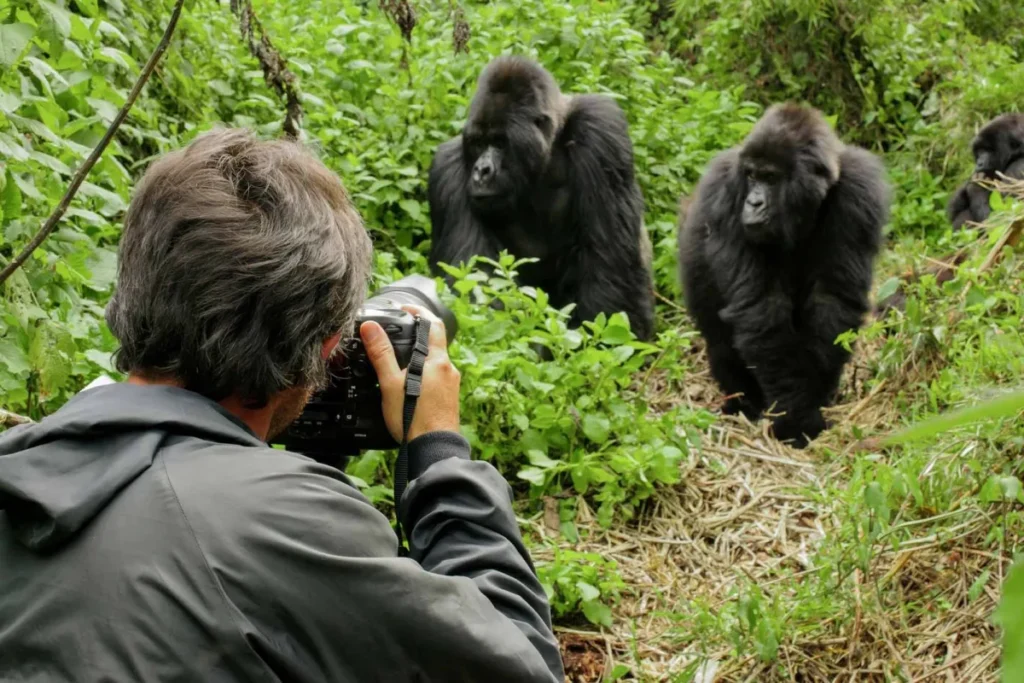
Gorilla trekking is an outdoor adventure that involves hiking through forests to find and observe mountain gorillas in their natural habitat. Unlike a typical wildlife safari, gorilla trekking is a more intimate and immersive experience. You don’t view the animals from a distance or inside a vehicle; instead, you trek on foot through dense forests until you encounter a gorilla family.

The Experience of Face to Face with Mountain Gorillas in Their Natural Habitat

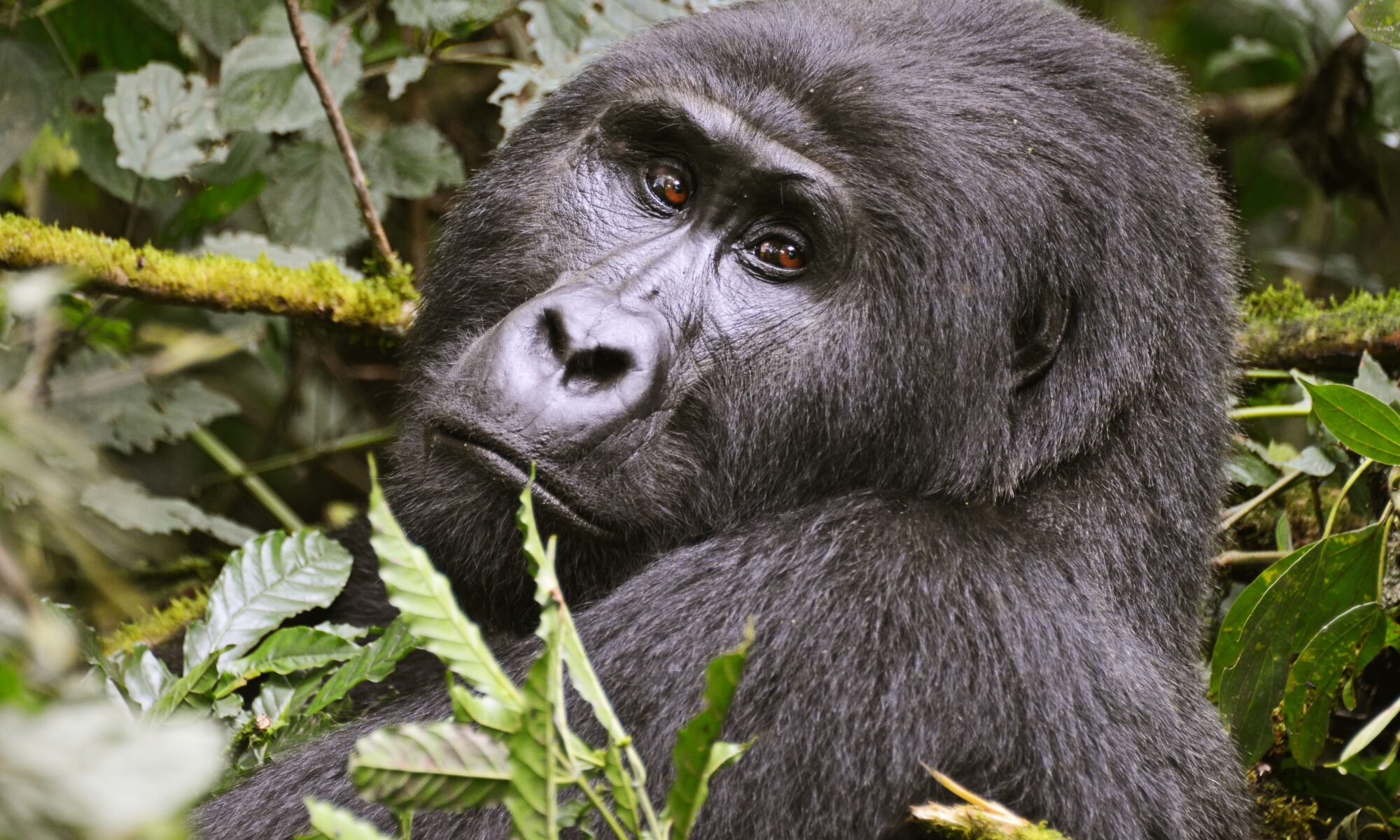
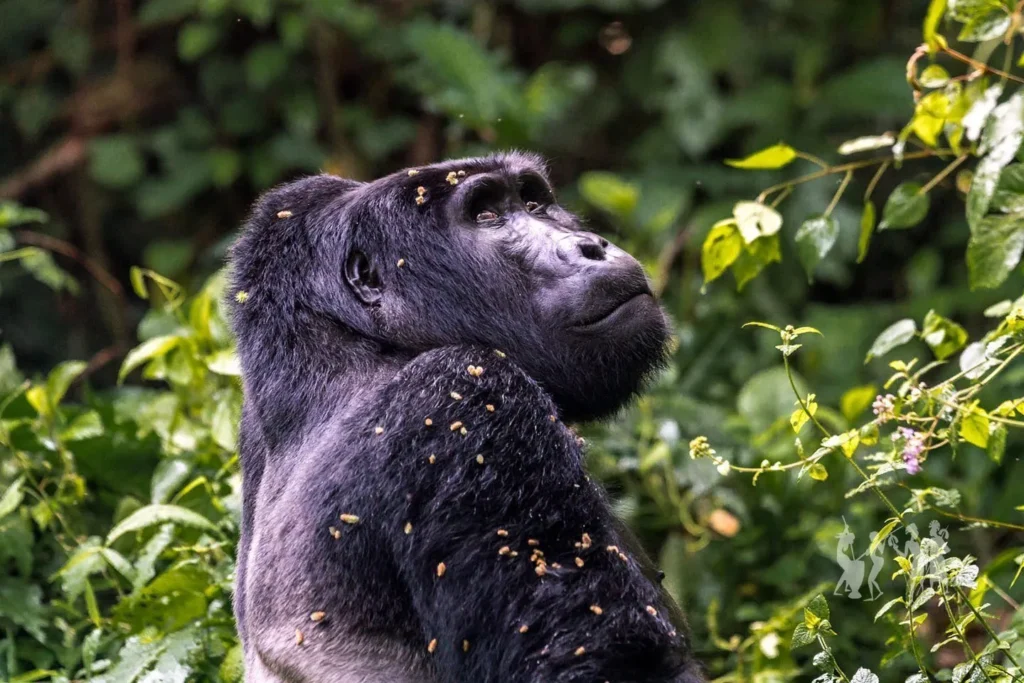
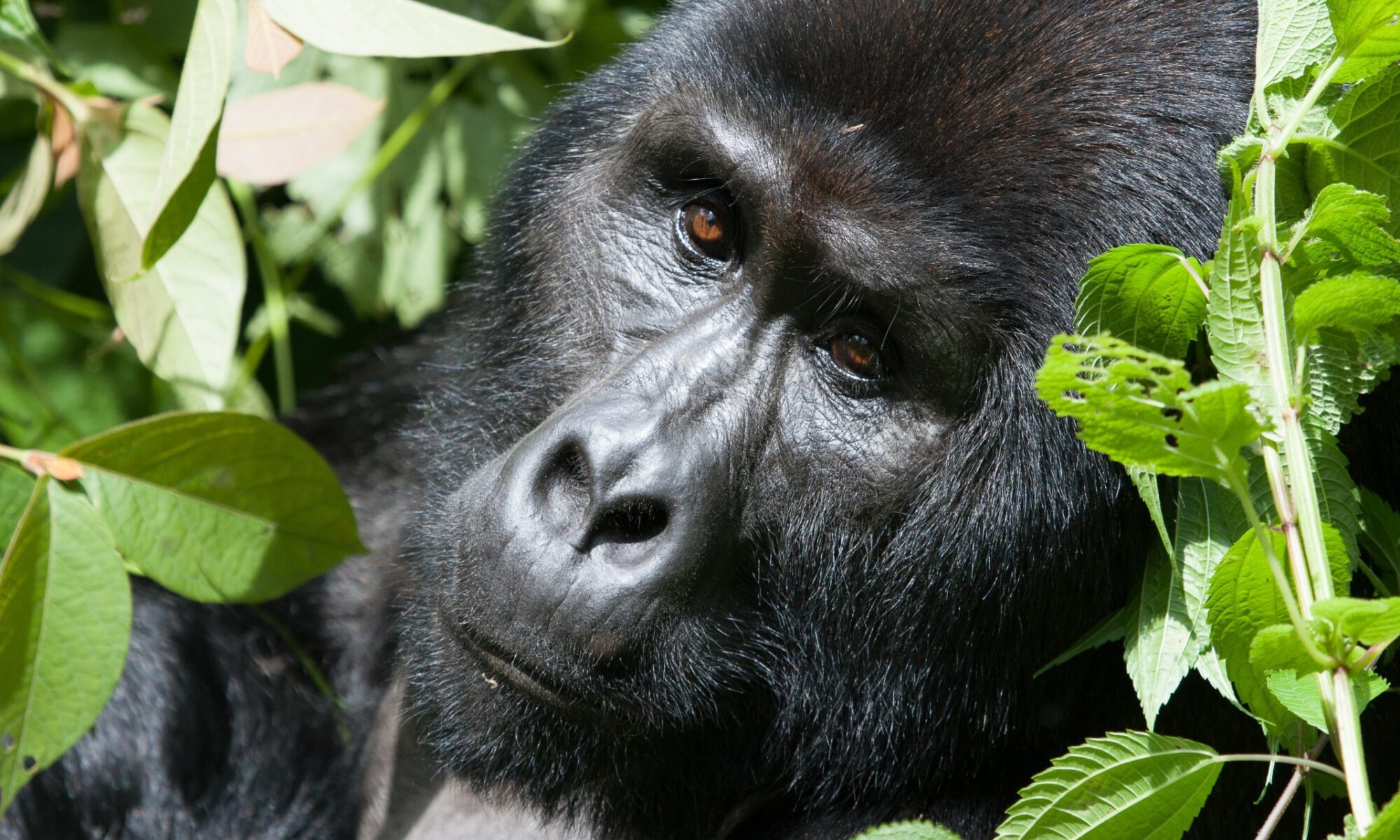
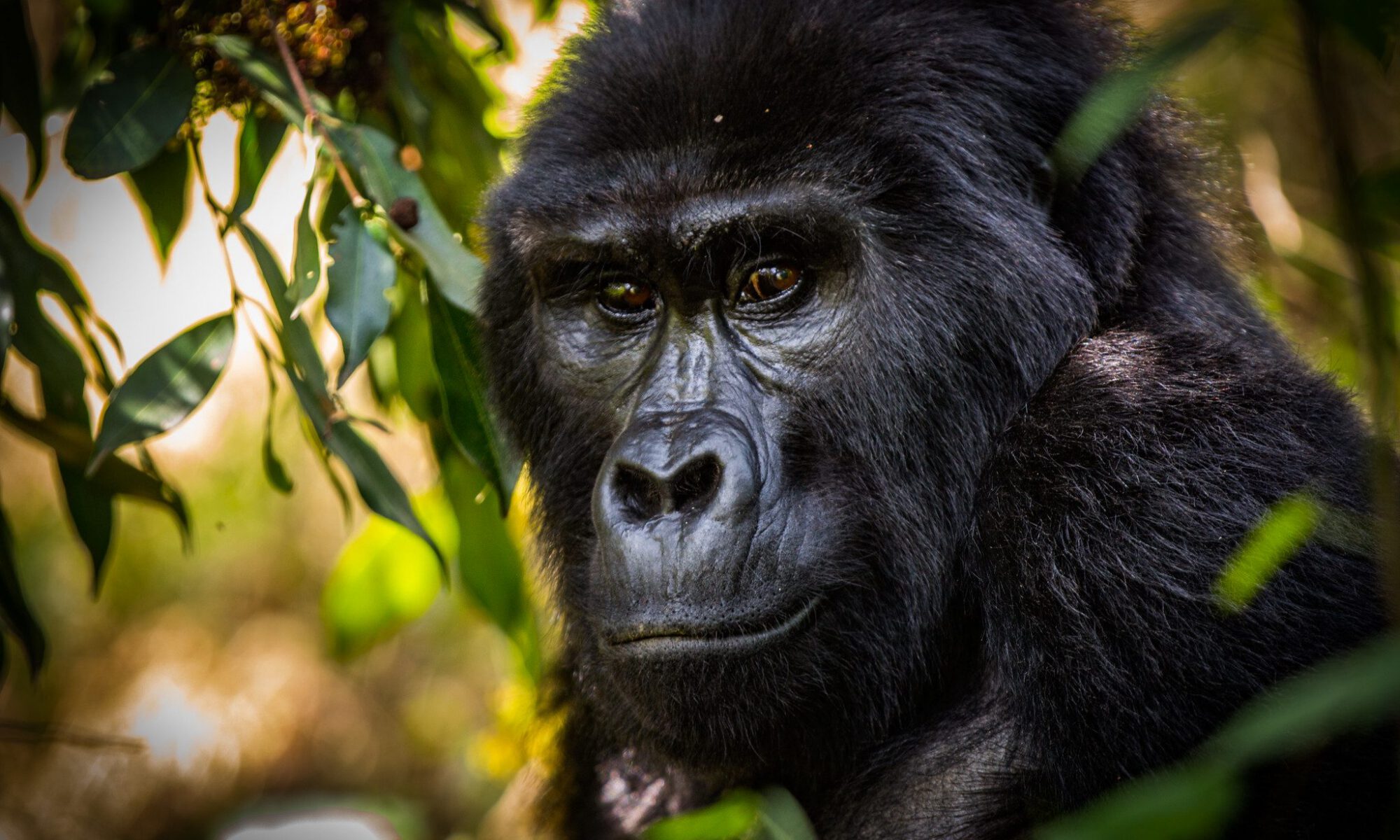
When you finally meet the gorillas face to face, the experience is magical and extremely unique like the hunt of the big five in Masai Mara Kenya or Serengeti Tanzania . The first sight of a silverback the dominant male of the group is awe-inspiring. You might see young gorillas playing, mothers caring for their infants, or the silverback watching over the group with a calm yet powerful presence. Mountain gorillas are known for their gentle behaviour and striking similarities to humans. Observing them up close just a few meters away feels like a privilege. The one hour you’re allowed to spend with them passes quickly, but it’s filled with unforgettable moments that stay with you forever.

Where to Go Gorilla Trekking in Rwanda

Volcanoes National Park: Volcanoes National Park is the only place in Rwanda where gorilla trekking is conducted. Located in the northern part of the country, this park is part of the Virunga Massif, a mountain range that also extends into Uganda and the Democratic Republic of Congo. The park is a mix of bamboo forests, lush rainforests, and volcanic peaks, creating a breathtaking backdrop for the trek.

Volcanoes National Park is more than just a trekking destination it’s a symbol of Rwanda’s dedication to conservation. The park is home to several endangered species, including golden monkeys, and serves as a vital habitat for mountain gorillas. It’s also famous as the research base of Dian Fossey, the legendary primatologist whose work brought global attention to the plight of mountain gorillas.

Best Time for Gorilla Trekking

The best time to go gorilla trekking in Rwanda is during the dry seasons:

  • June to September: This is the long dry season, characterized by sunny weather and easier trekking conditions. It’s also the busiest time for tourism.
  • December to February: The short dry season offers similar advantages, with fewer visitors compared to the mid-year peak.

During the wet seasons (March to May and October to November), trekking is still possible, but trails may be muddy and more challenging to navigate.

Practical Gorilla Trekking Experience

Briefing
Now days the visitors or guides are expected to fill the forms at the park headquarter the evening before the gorilla trekking day if they would like to have some special needs from Volcanoes National Park .

Verification of the payment can also be handled in the evening to avoid delays on the gorilla trekking in the morning hours . The day begins with a morning briefing at the park headquarters. Here, rangers provide an overview of the day, explain the rules, and assign trekking groups.

Grouping
Visitors are grouped based on their fitness levels and preferences. Each group is assigned a ranger guide and a specific gorilla family.

Trek Duration

The trek can range from 1 to 8 hours, depending on where the gorillas are located. The hike involves navigating steep terrain, dense vegetation, and sometimes muddy trails.

Encounter
Once you find the gorillas, you’ll spend one magical hour observing them. Rangers ensure that visitors maintain a safe distance (at least 7 meters) and follow all guidelines to protect the animals.

Rules and Guidelines

To ensure the safety of both gorillas and visitors, the following rules must be followed:

  • Stay home if sick to protect gorillas from human diseases.
  • Sanitize hands before trekking.
  • Keep at least 7 meters (23 feet) from the gorillas.
  • Avoid touching gorillas, even if they come close.
  • Stay quiet and calm; avoid sudden movements.
  • No flash photography.
  • Do not eat or drink near gorillas.
  • Spend a maximum of one hour with the gorillas.
  • Avoid direct eye contact or approaching sick gorillas.
  • Do not leave designated paths.
  • No smoking, littering, or taking anything from the forest.
  • Only eight people are allowed per gorilla group visit.
  • Follow ranger instructions and respect the environment to support conservation efforts.

Physical Fitness and Preparation

Fitness Requirements for the Trek

While gorilla trekking doesn’t require extreme fitness, a moderate level of physical health is important. The hike can be strenuous, especially in steep or slippery areas.

Recommended Clothing and Gear

  • Hiking boots: Essential for navigating uneven terrain.
  • Rain jacket: Protects against sudden rain showers.
  • Long-sleeved clothing: Protects against scratches and insect bites.
  • Gloves: Useful for gripping vegetation during the trek.

Essentials to Carry

Pack water, snacks, insect repellent, a camera (without flash), and a walking stick (often provided at the park).

Accommodation Options

Rwanda offers a range of accommodation options near Volcanoes National Park to suit all budgets:

  • Luxury: Bisate Lodge, One & Only Gorilla’s Nest.
  • Mid-Range: Le Bambou Gorilla Lodge, Mountain Gorilla View Lodge., Five Volcanoes
  • Budget: Kinigi Guesthouse, Da Vinci Gorilla Lodge.

Planning a primate Safari in Uganda 2025

Uganda is one of the top primate safari destinations in Africa, especially for wildlife lovers who want to see gorillas, chimpanzees, and other primates in their natural habitats. A primate safari typically involves going on an excursion to observe and learn about wild monkeys, apes, and other primates in the wild.

Uganda stands out as a number one prime destination because it offers some of the best opportunities in the world to see rare and endangered primates. To have the best experience, it’s important to plan for your safari adventure and be ready for the unique experience of seeing these amazing creatures in the wild.

Choose Your Destination Carefully, choosing the right destination for your primate safari in Uganda depends on your primary interests (mountain gorillas, chimpanzees, golden monkeys, etc.), your physical abilities, and how much time you have. Bwindi Impenetrable National Park is ideal for gorilla trekkers, while Kibale is perfect for chimpanzee lovers. If you’re interested in both gorillas and monkeys, Mgahinga and Bwindi might be the best combination additionally Semuliki Wildlife Reserve, is one of the more remote primate destinations offering Patas monkeys and Mona monkeys.

Each destination offers its own unique experience, and your choice will ultimately shape the kind of safari adventure you have in terms of accessibility, difficulty, and what you’ll see, so understanding the options can help you plan a trip that matches your preferences, fitness level, and interests that’s why selecting the right one for you is crucial:

Make a packing list, to make your primate safari experience more comfortable and increase your chances of success in seeing primates up close, packing the right gear is essential, clothing should be neutral and earth-toned to blend in with the environment and avoid startling the animals, long sleeves and pants are necessary to protect yourself from insects and brush, while comfortable, sturdy shoes or hiking boots with good traction are ideal for trekking through the jungle or forest. Weather can be unpredictable, so be sure to pack rain gear like a waterproof jacket or poncho, a hat and sunglasses will protect you from the sun, which is important even in forested areas. Don’t forget insect repellent, sunscreen, a camera with binoculars, and a water bottle to stay hydrated, a small daypack will help carry essentials. Proper gear enhances comfort, safety, and the overall experience while trekking to see Uganda’s amazing primates.

Research about primates and their Habitats, learn about the primates you’ll see, like what they eat, how they behave, and where they live, this will make your experience better because you will understand their world more. Respect the environment by knowing how important these animals are for nature, and how your visit can help protect them, make sure to choose ethical tours that teach you to keep a safe distance, stay quiet, and avoid actions that could upset the animals.

Book through ethical Tour Operators, when planning a primate safari in Uganda, it’s important to use a reputable tour operator. A good operator will help ensure that your trip is safe, enjoyable, and well-organized. They know the best places to see primates, like Bwindi Impenetrable National Park or Kibale, and can help you book permits for activities like gorilla trekking. They’ll also have experienced guides who know how to track primates and provide a deeper understanding of their behavior. A reputable tour operator will follow ethical guidelines, ensuring your visit doesn’t disturb the animals or their environment. Check reviews and make sure the operator has a good reputation for offering quality services and respecting wildlife conservation.

Choose a good 4×4 vehicle, when going on a primate safari in Uganda, choosing a reliable 4×4 vehicle is essential. Some safari destinations, like Bwindi Impenetrable National Park or Kibale, have rough, bumpy, and sometimes muddy roads that require a sturdy vehicle to navigate. A regular car won’t be able to handle these conditions, so a 4×4 ensures you can reach remote areas like Semliki comfortably and safely. Look for a vehicle with enough space for your group and gear, a strong engine, and good suspension to handle the tough terrain. Air conditioning is also important, as Uganda can get quite hot. Before your trip, always check that the vehicle is in good condition to avoid any breakdowns, ensuring a smooth and enjoyable safari experience.

Timing, best time to visit, when planning a primate safari in Uganda, it’s important to think about the best time to visit. The best months are usually June to September and December to February. These months are part of the dry season, which means the weather is better for trekking through the forests to see the primates. The trails will be less muddy, and it’s easier to spot the animals. However, Uganda’s weather can be unpredictable, so be ready for some rain, even during the dry season. If you visit during the rainy season, from March to May or October to November, the forests can be slippery, and some roads may be harder to travel. But visiting during the off-season can also mean fewer tourists, giving you a quieter experience with the primates.

Mental Preparation, when going on a primate safari in Uganda, remember that patience is key. Primates can be hard to find, and it may take time to spot them. Be ready for long hikes and treks that could last hours. Also, always respect wildlife you’re visiting their home, so keep a safe distance and observe their natural behavior without disturbing them. Expect the unexpected, as nature is unpredictable. Weather, the terrain, and the animals’ movements can change your plans, so being flexible is important. Finally, make sure to plan for the unexpected by bringing any medications you may need, a basic first aid kit, and knowing the local emergency numbers and how to contact your tour operator.

Have Realistic Expectations, when going on a primate safari, it’s important to have realistic expectations. This means understanding that you might not always see the primates right away, as they can be hard to find and are often hidden in the trees or deep in the forest. Sometimes, the weather or terrain might make the trek more challenging. Also, remember that primates are wild animals, so their behavior can be unpredictable. While a safari is a great adventure, don’t expect everything to go perfectly just enjoy the experience.

Conclude

With the right planning and mindset, your primate safari in Uganda will be an unforgettable adventure. By choosing the best destination, packing wisely, and being respectful of both the animals and the environment, you’ll ensure a rewarding and memorable experience. Whether you’re tracking gorillas in Bwindi or chimpanzees in Kibale, Uganda offers some of the most incredible wildlife encounters in the world. Stay patient, flexible, and enjoy every moment of this unique journey into nature’s wild heart. Happy travels and may your safari be filled with incredible memories.

Gorilla Trekking Congo vs Rwanda vs Uganda

A gorilla safari is an unforgettable experience, offering the rare opportunity to observe the majestic mountain gorillas in their natural habitat. While Uganda, Rwanda, and the Democratic Republic of the Congo (DRC) all share the privilege of being home to these endangered primates, each country provides a unique adventure shaped by its geography, culture, and conservation efforts. From the lush rainforests of Uganda’s Bwindi Impenetrable National Park to the dramatic volcanic landscapes of Rwanda’s Volcanoes National Park and the rugged terrain of the DRC’s Virunga National Park, each destination promises a distinct gorilla trekking experience. Understanding these distinctions can help travellers choose the best option for their adventure and make the most of their once-in-a-lifetime journey to see the mountain gorillas.


  1. Location and Geography

Gorilla safaris in the DRC are centred around Virunga National Park, which is Africa’s oldest national park and a UNESCO World Heritage Site. It is located in the eastern part of the DRC, near the borders with Uganda and Rwanda. The park is known for its stunning landscape, which includes lush rainforests, bamboo forests, and the dramatic volcanic peaks of the Virunga Mountains, including Mount Nyiragongo, an active volcano. In Uganda, gorilla safaris are mostly done in Bwindi Impenetrable National Park and Mgahinga Gorilla National Park, which are both part of the larger Virunga Conservation Area. Bwindi is known for its dense, hilly rainforest, and Mgahinga is situated at the base of the Virunga volcanoes, offering spectacular views and challenging treks.

Rwanda’s gorilla trekking takes place in Volcanoes National Park, which is also part of the Virunga Mountains and is just a short distance from the border with Uganda. This park is famous for its beautiful rolling hills, picturesque scenery, and lush landscapes that make trekking enjoyable and memorable.


  1. Accessibility and Travel Logistics

Traveling to the DRC for a gorilla safari is more complicated and can be less straightforward than visiting Uganda or Rwanda. The nearest major city to Virunga National Park is Goma, which can be reached by plane from Kigali, Rwanda. From Goma, travellers usually take a 1–2-hour drive to the park headquarters. However, travel in the DRC may require crossing borders, obtaining special permits, and taking precautions due to security concerns in the region.

In Uganda, gorilla trekking is relatively easier to access, with many visitors flying into Entebbe or Kampala and then taking a scenic drive to the parks. Depending on traffic and road conditions, this journey can take anywhere from 8-10 hours to Bwindi or Mgahinga. Domestic flights are also available to make travel faster, but these are often more expensive.

Rwanda’s location makes it an easier and more convenient choice for gorilla trekking. Visitors can fly directly to Kigali, the capital city, and then take a 2–3-hour drive to Volcanoes National Park. The roads are generally good, and the trip is less challenging compared to Uganda or the DRC.


  1. Safety and Security

Safety is an essential consideration when choosing a destination for gorilla trekking. Rwanda is known for being very safe and stable. The country has made significant progress since the 1994 genocide, and it has become a model of stability and development in East Africa. Travelers usually feel secure, and the government prioritizes the safety of tourists.

Uganda is also considered a safe country for gorilla trekking, especially in the areas around Bwindi and Mgahinga. While it is generally safe, travelers should stay updated with travel advisories and avoid certain regions that are far from the main tourist routes.

The DRC, unfortunately, has a reputation for conflict and political instability, especially in the eastern region where Virunga National Park is located. This area has experienced security challenges due to armed groups and political unrest over the years. While Virunga National Park has its own dedicated team of rangers and security measures to protect tourists, travellers need to stay informed and consult with tour operators or embassies for the most current information before planning a trip.


  1. Cost of the Safari

Cost is often a deciding factor when choosing between these destinations. Rwanda is the most expensive option, with a gorilla trekking permit typically costing $1,500 per person. This high price includes the expertise of guides, park fees, and a portion that goes towards conservation efforts and local communities.

Uganda offers a more affordable option. A gorilla trekking permit in Uganda costs between $800 and $1500, which is significantly cheaper than in Rwanda. This makes Uganda a popular choice for travellers who want to see gorillas without the high price tag. Despite being cheaper, Uganda’s permits still include top-notch guides and well-organized experiences.

The DRC has the most budget-friendly permits, usually priced at around $400 to $450. This lower cost can make a trip to the DRC highly appealing, especially for those looking to save money. However, the lower price comes with some compromises in terms of accessibility, security, and infrastructure. It’s important to remember that while the permit cost may be lower, other travel expenses, such as flights, transport, and possible security fees, can add up.


  1. Gorilla Viewing and Experience

The gorilla viewing experience in each country has unique features. In Uganda, the trekking routes can be more challenging due to the rugged terrain of Bwindi Impenetrable National Park. This can make trekking physically demanding, but it also adds to the adventure and sense of achievement when you encounter the gorillas. Bwindi’s dense forest offers a rich, immersive natural environment, making it a more traditional rainforest experience.

Rwanda’s Volcanoes National Park provides a slightly different experience. The terrain is generally less dense, making it easier to trek and offering a shorter, less strenuous hike in most cases. The park has a well-established system that focuses on minimizing the impact on the gorillas and ensuring a safe experience for visitors. This makes Rwanda a great option for those who may not be in top physical condition but still want to enjoy seeing mountain gorillas.

The DRC’s Virunga National Park offers a thrilling, off-the-beaten-path experience. The trekking can be more difficult and unpredictable due to the park’s rugged landscape and variable weather conditions. This adds an element of adventure and excitement, but it also means that travelers should be prepared for a physically demanding journey. The experience in Virunga can be rawer and more intense, offering a deeper connection with the wilderness.


  1. Conservation and Wildlife Protection

Conservation is a significant focus in Rwanda. The government prioritizes protecting the gorillas and has put in place strict regulations to limit the number of visitors and control the human impact on their habitat. The revenue from tourism contributes directly to the conservation programs and supports local communities through eco-tourism initiatives. This commitment has led to a steady increase in the mountain gorilla population in Rwanda.

Uganda has also seen positive results from its conservation efforts. The Ugandan Wildlife Authority (UWA) works closely with local communities to protect gorillas and promote eco-tourism. The revenue from trekking permits is reinvested into park conservation and local development projects.

In the DRC, Virunga National Park has faced significant challenges, including poaching, illegal mining, and conflicts that impact conservation. However, the park is protected by a dedicated team of rangers and supported by international conservation organizations. Tourism plays an important role in funding these efforts, so a visit to Virunga contributes directly to the park’s protection and ranger salaries. Despite the challenges, Virunga remains one of the best places for conservation-driven tourism, as it helps provide jobs and income for the local population.


  1. Wildlife Diversity

While the focus of gorilla safaris is obviously on the mountain gorillas, wildlife diversity can vary. In Rwanda, besides gorillas, you may also see golden monkeys, various bird species, and other animals. Volcanoes National Park is close to other protected areas, making it an excellent destination for wildlife enthusiasts who want a chance to see more than just gorillas.

Uganda is known for its exceptional wildlife diversity. Bwindi Impenetrable National Park, for instance, is home to over 350 bird species, primates like colobus and vervet monkeys, and other animals such as forest elephants. The nearby Queen Elizabeth National Park offers safari experiences with lions, elephants, hippos, and crocodiles, giving travellers more options for wildlife viewing.

The DRC is incredibly rich in wildlife, and Virunga National Park is no exception. In addition to the mountain gorillas, the park is home to rare forest elephants, hippopotamuses, chimpanzees, and a variety of bird species.


  1. Accommodations and Facilities

The accommodation options vary greatly between the countries. In Rwanda, the accommodations near Volcanoes National Park are well-developed, with options ranging from luxury lodges and boutique hotels to budget-friendly guesthouses. The facilities are modern, and there are more choices for different budget levels.

Uganda has a wide range of accommodations as well, from basic lodges to mid-range hotels and luxury safari camps. Bwindi and Mgahinga have several options that provide a cozy and authentic experience. However, some roads leading to the park may not be in the best condition, which can affect the ease of travel.

The DRC has fewer and more basic accommodations. While there are high-end lodges and camps available, especially in Goma and near Virunga, options may be limited and less consistent. Some lodges are comfortable but not as luxurious as those in Rwanda or Uganda. Travelers should be prepared for fewer amenities and simpler facilities, especially in more remote areas.


  1. Best Time to Visit

The best time to visit for gorilla trekking in all three countries is during the dry season, which runs from June to September and December to February. During these months, the trails are easier to navigate, and the chance of rain is lower. However, in Rwanda, the weather is more temperate year-round, so you might find that the trekking conditions are manageable even in the wet season.

Uganda is known for its year-round trekking opportunities, but the wet seasons (from March to May and November) can make trekking more challenging and the trails muddier. The DRC is also best visited during the dry season, but unpredictable weather can still make treks more strenuous than in Uganda or Rwanda.

Conclusion

Choosing between a gorilla safari in the DRC, Uganda, or Rwanda ultimately comes down to your preferences for cost, safety, comfort, and adventure. Rwanda is best for those looking for a top-notch, accessible experience with a high focus on conservation. Uganda offers a balance of cost-effectiveness and wildlife diversity, making it an excellent option for travellers seeking more variety. The DRC provides a true adventure into less-trodden paths, but with added challenges related to accessibility and security. All three destinations provide an unforgettable experience that allows you to come face-to-face with the magnificent mountain gorillas in their natural habitat.


Rwanda Gorilla Trek Cost – Rwanda Safaris : Primate Safaris .

Volcanoes National Park is a national park in northwestern Rwanda. It covers 160 km2 (62 sq. mi) of rainforest and encompasses five of the eight volcanoes in the Virunga Mountains, namely Karisimbi, Bisoke, Muhabura, Gahinga, and Sabyinyo. It borders Virunga National Park in the Democratic Republic of Congo and Mgahinga Gorilla National Park in Uganda. It is home to the mountain gorilla and the golden monkey, and was the base for the primatologist Dian Fossey.

Volcanoes National Park in Rwanda is best known for mountain gorilla trekking but the park is also rich with many other exotic activities to engage in. Rwanda hosts almost a third of the world’s estimated population of about 900 mountain gorillas. These great apes are protected in the Volcanoes National Park.

The unique opportunity to see gorillas in their natural habitat is unforgettable, some even say life changing. Encounters with gorillas as they go about their daily lives are carefully managed, with expert trackers and guides leading small groups of tourists up bamboo-covered slopes to spend a precious and awe-inspiring hour just a few feet away from the gentle creatures.

The mountain gorillas are the prime attraction in volcanoes national park with gorilla trekking happening all year round. Because of the high altitude it is generally cold, especially early morning and the evenings, you are advised to carry a light sweater for these times. The park is located only 2 hours from Kigali in the north of Rwanda.

Gorilla trekking price in Rwanda

A gorilla permit is an authorization card that allows you to visit the mountain gorillas, be it in Uganda and Rwanda. With this permit per person, you pay to spend one hour in company of one family of mountain gorillas.

The fees for a gorilla permit are important because they limit the number of tourist access to the parks and also contribute to the conservation efforts of the gorillas. It doesn’t matter how long you take to see the gorillas, it’s still the same price and for one hour.

A gorilla permit in Rwanda costs $ 1500 per person. Rwanda provides luxury trekking options and high end accommodation options for those who intend to enjoy a luxury gorilla trek in Volcanoes National Park Rwanda.

Rwanda gorilla permit availability

You can buy your permit up to two years in advance through the Rwanda Development Board or through a registered tour company.

Gorilla Trekking Guidelines in Rwanda are put in place so that travelers abide by them to ensure that at the end of the activity trekkers and gorillas are safe.

  1. Gorilla permits

Gorilla trekking permits are a must to have for every trekker intending to trek mountain gorillas in Volcanoes National Park. Visitors can obtain their gorilla trekking permits at $1500 per person through a recognized, reliable and trustworthy tour operator or through reservationist at Rwanda Development Board (RDB). A group of eight individuals per day are able to visit each group of gorillas in Rwanda for about one hour.  This means that there are 80 gorilla permits available in Rwanda on a single day.

Please Note: Permits get booked quite early and it’s very necessary to book well in advance.

  1. Gorilla trekking process

Before accessing volcanoes national park to carry out gorilla trekking in Rwanda. You have to go through the security check point where you will have be checked for any security threats such as knives, deadly weapons, fire arms than can harm other trekkers and animals .

Tracking the mountain gorillas in Volcanoes National Park involves hiking through the dense vegetation and steep slopes while in search for endangered mountain gorillas in the wild. Gorilla trekking is a strenuous yet also the most rewarding primate adventure that requires you to be physically well. A trek to view mountain gorillas can last you about 3-6 hours but depends on your hiking speed, nature of habitat and location of mountain gorillas. A gorilla trek in Volcanoes National Park usually starts with briefing at 7:00am on the set safety measures and actual trek begins at 8:00am. Visitors are accompanied by a professional park ranger guide after you have been assigned to gorilla group to trek.

Gorilla trekking in Volcanoes National Park is not only about viewing mountain gorillas in the wild but it also gets you opportunity to see other wildlife species. Volcanoes National Park is a home to over 200 bird species and many other primates, mammals, unique flora most of which will be spotted while on a trek to view mountain gorillas.

If you miss the briefing, you will not be allowed to take part in the Rwanda Gorilla Safari even in the event that you’ve purchased a gorilla permit.  Noting this, it goes without saying that being on time is very important.

  1. Gorilla Trekking Rules and Regulations

Gorilla trekking rules and regulations serve as guidelines or safety measures not only to ensure survival of mountain gorillas but also to safety of trekkers while in the wild with these creatures. Visitors are always briefed on the set gorilla trekking safety measures early in the morning at Kinigi park headquarters prior embarking on actual trek.

They include among others-gorilla trekking is restricted to only 8 visitors per gorilla family per day, only persons above 15 years are allowed to take park in gorilla trek or obtain gorilla permit, no visitor is allowed to trek gorillas when he or she is sick or not feeling well, visitors are not allowed to eat, drink or smoke while on trek to view mountain gorillas, a distance of 7 meters should be kept at all times away from gorillas, keep your voice low but feel free to ask as many questions as possible and many others.

  1. Where to go for Gorilla Trekking in Volcanoes National Park

Gorilla trekking in Volcanoes National Park is only conducted in habituated gorilla families, each of which offers trekkers a unique experience. Every habituated gorilla family is assigned to visitors to trek in a group of 8 visitors each day. The habituated groups that have been set for gorilla tours in Volcanoes National Park include;

The Amahoro group this group is usually found between the Karisoke and the Visoke peaks of the Virunga volcanoes. This group has about 17 gorillas. Together with the Umubano group of 11, they are the furthest from the park headquarters.

The Sabinyo Group is usually found between Mt. Sabinyo and Gahinga. It has about 12 individuals, with a couple of silverbacks in the group.

Agashya Group, formerly referred to as “Group Thirteen”, is often found close to the Sabinyo group, and has about 25 gorillas including two silverbacks.

The Susa Group is the largest in volcanoes NP with about 40 individuals, including 3 silverbacks. This group is usually found high up on Mount Karisimbi, which makes for a relatively more challenging hike, but it is well worth the effort.

The Karisimbi Group, which split from the Susa group a few years ago, can be found in the Mt. Karisimbi area. Tracking these two groups requires a full day hike.

The Kwitonda Group has 18 members and was habituated in the DRC. They crossed the border into Rwanda in 2005, and are now open for visitation.

The Hirwa Group has around 11 members including one silverback and a pair of twins.

The Bwenge Group, named after the group silverback, has 11 members and can be a tough trek.

The Ugende Group, whose name means “on the move” – because its 11 individuals are always moving to new areas, is also quite difficult to track.

  1. When to go for gorilla trekking in Volcanoes National Park

Gorilla trekking in Volcanoes National Park can be done at any time of the year. However, it is best to visit Volcanoes National Park to trek mountain gorillas during the dry season which starts in the months of June, July, August, September and December, January, February. During the dry season, gorilla habitat remains relatively drier which makes it a bit simpler for trekkers to hike through the dense rainforest and steep slopes of Volcanoes National Park while in search for mountain gorillas. But you can also pay a visit to Volcanoes National Park to trek mountain gorillas during the wet or rainy season and this usually begins in the months of March, April, May and October, November. The challenge with rainy or wet season is that there is plenty of rainfall and the habitat normally becomes muddy, slippery thus making it a bit challenging to hike through the slippery steep slopes and dense rainforest.

  1. Packing list for gorilla trekking

Visitors going for gorilla trekking in Volcanoes National Park are required to pack appropriately, starting with essentials first. In your packing list, make sure you include water proof hiking boots that are light weight and offer support to your ankle, water proof day back, drinking water, energy giving snacks, camera but with no flashlight and if it has, please turn it off when taking photos, gardening gloves, long sleeved shirts, trousers, walking stick-this can be got at the park headquarters or lodge, first aid kit to mention but a few.

  1. Where to stay in Volcanoes National Park

Volcanoes National Park comprises many accommodation options ranging from luxury to budget. They include Mount Gorilla View Lodge/Bisate Lodge/Virunga Lodge/Sabyinyo Silverback Lodge (Luxury), Da Vinci Gorilla Lodge (Midrange), and Kinigi Guesthouse (Budget).

  1. Getting to Volcanoes National Park

A gorilla visit to Volcanoes National Park starts with you landing at Kigali International Airport and then driving to northwestern Rwanda to the park, about 2-3 hours. Alternatively, drive from Kabale/Bwindi National Park or Mgahinga National Park, which is about a 3-4-hour drive via Katuna or Cyanika border.

In conclusion, the popular Volcanoes National Park is an exceptional destination that allows you to get close to mountain gorillas while in the wild, a magical encounter you need not miss out on in Rwanda.


Cost of gorilla trekking in Rwanda- Primate Safaris

Such a high price for the permits makes the adventure of trekking the gorillas the most expensive safari holiday experience in Africa. Many travelers have taken part in this amazing life-changing encounter with the gorillas, while others continue to plan their gorilla tours for the near future. What is interesting about the gorilla permit fees is that you can pay this money throughout the year, regardless of the season. To trek the gorillas in Rwanda, the permit fees remain the same for both nationals and non-nationals.

Price for Gorilla trekking Permit

Gorilla trekking is undoubtedly one of the most expensive activities in Rwanda. The cost of a gorilla trekking permit is very expensive but truly worth it. In Rwanda, a gorilla trekking permit costs US$ 1500. Mountain gorillas are only found in the three African countries which are Uganda, Rwanda, and Congo. Rwanda sells the most expensive gorilla permits of all the countries.

When talking to one of the authorities of wildlife conversations at Rwanda Development Board, we were highlighted about some of the reasons why gorilla trekking is so expensive. The reasons among others include;

  1. The Mountain Gorillas are highly endangered

One of the top reasons as to why gorilla trekking is so expensive in Rwanda is that the gorillas are highly endangered and therefore requires the authorities to reduce their interaction with big crowds of people. According to recent statistics as of 2016, it is estimated that only 900 mountain gorillas are remaining in the whole world surviving in the tropical rain forests of Bwindi forest national park and Mgahinga gorilla national park in Uganda, Volcanoes national park in Rwanda and Virunga national park in the Democratic Republic of Congo. Therefore, this calls for a high cost of the gorilla permits to perhaps discourage some people from traveling hence saving the highly endangered species from the crowds.

  1. Mountain Gorillas Susceptible to Human Diseases

Another reason perhaps is that the mountain gorillas are close relatives to human beings which make them vulnerable to being infected by human diseases. This means, to save the mountain gorillas from being overcrowded by many humans, the permits have to be put on a high so as to limit some people from trekking them and also to avoid over exploitation and exceeding the carrying capacity of gorilla national park, which is Volcanoes National Park.

  1. The need to conserve and offer sustainable gorilla tourism

After experiencing a great loss of mountain gorillas in the 1980s due to poaching and human encroachment on the mountain gorilla habitats.

The authorities decided to increase the gorilla permits in both countries so as to accrue revenue which can then be used to conserve the gorilla habitats and also to promote a sustainable gorilla tourism environment. This tells why Rwanda, for example, doubled the gorilla permit fee from $750.00 USD in 2017 to $1500.00 USD aiming to conserve the shrinking habitat of mountain gorillas.

To the Wildlife Authorities Conserving the gorillas, this is an indirect way of promoting sustainable gorilla tourism in Rwanda. Imagine if there was no limit on the number of travelers allowed to trek mountain gorillas? There would be crowding and overstepping which destroy gorilla habitats. A high number of travelers also make mountain gorillas uncomfortable in their natural habitat, which destructs their social happy life.

  1. Safety and Easy Monitoring

Being that the mountain gorillas are highly endangered species, it is necessary to continuously monitor them so as to ensure they are safe which may not be possible if too many people are allowed to visit their habitats. According to the authorities, the funds collected from selling gorilla permits are partially used remunerate the ranger guides who monitor the well being of mountain gorillas in their habitats such as tracking their movements, feeding, and health status.

Tourism police and other armed rangers have also been hired to ensure the safety of mountain gorillas from any external attack by the poachers, and rebel groups who in the past used the gorilla habits as their hiding places. Incase travelers are connecting from one destination to another at night, tourism police escort them which ensures their safety throughout.

  1. Gorilla Trekking is one way of improving the livelihood of the locals

Gorilla tourism has become an indirect source of Local livelihood for the communities adjacent to gorilla national parks. Responsible governments share part of the revenue earned to local communities to improve their standards of living. Rwanda gives 10% to local people.

Sharing with local people has created a positive attitude of local people towards gorilla tourism and conservation hence reducing the natural resource conflicts between local people and the management of respective national parks. Before the introduction of gorilla tourism and wildlife conservation, local people had full access to all resources in the forest.

  1. Monopoly

Scarcity is one of the foundational principles in economics, whenever resources are scarce; there is always a high demand for the product which leads to inflated prices as well.

Mountain Gorilla tracking is not an exception; it cannot be carried out anywhere else in the whole world apart from these three countries. This implies that you only have limited options in case you are considering tracking mountain gorillas.

Rwanda; is more of luxurious gorilla trekking destination and gorilla trekking safaris; unfortunately due to insecurity and Ebola threats, Democratic republic of Congo is still facing stiff competition from Uganda and Rwanda.

Until Democratic republic of Congo gets back on the competition scene, the permits will still be charged expensively due to the only two secure destinations.

Conclusion

However you cannot consider booking the activity as a group to reduce the expenditure. This might not apply for gorilla trekking in Rwanda.

Best time to go gorilla trekking in Rwanda

Rwanda Congo Uganda Safari

Rwanda has a good weather throughout the year but the dry season is more preferable. The weather is generally good in addition wildlife viewing is also more common during this time. For tourists interested in visiting gorillas this is also the best time for gorilla tours since there is a minimal chance of rain during the trek and a good hiking terrain in the rainforest. We still suggest your waterproof clothing even during these drier months, as this Equatorial climate is very unpredictable. This period is also a peak season; hence the prices can be higher on things like accommodation, car hire etc.

On the other hand, some travelers especially those on budget like visiting in the wet season. During this season, hotels have low occupancy and hence give travelers discounted food and sleeping services which is an added advantage. Also, there is low demand for gorilla permits which guarantee visitors a chance to see these endangered species with no competition.

Visiting Rwanda for gorilla tracking can be done all year round. The best time to travel to Rwanda is during the drier seasons, periods between December to early March and June to September. December to March is a long dry season for Rwanda, with temperatures going up to 29 degrees Celsius for some days while the months of March to Mid-May, July to September, on the other hand, are regarded as the rainy in the country.

 Best Time for Gorilla Trekking, Month by Month

January (peak/dry season, best weather)

January lies in the region’s short dry period, meaning it is an incredible time for gorilla trekking in both countries and game viewing in Rwanda. The dry paths make driving the untarmacked roads to the gorillas and walking in the jungle effortless. Despite being one of the hottest months of the year, gorilla trekking in Volcanoes National Park is pleasant because of the cooler temperatures that dump down the heat at high altitudes.

There may be some rainfall because of the tropical weather, but it’s unlikely to affect your gorilla adventure and safari game activities. Therefore, January is one of the best months for gorilla trekking in Rwanda; it falls within the peak season when most travellers flock to these safari holiday destinations. January is also the best time to combine the exceptional big five game drives in Serengeti and Masai Mara with gorilla trekking in Rwanda.

February (peak/dry season, best weather)

Although February is part of the dry season, we begin to see a drop in the number of travellers during the month. As with January, February is the best time for gorilla trekking, bird watching, taking game drives to view the savannah animals before the March rains disperse them.

As the month fades into the end of the dry season, Rwanda’s vegetation will become light. Therefore, it will be less challenging to spot wildlife as they start to gather around the barely remaining waterholes. Therefore, February is the best time for gorilla trekking and game viewing safari in Rwanda, Masai Mara, Serengeti and Ngorongoro. Also, it is calving time in the southern Serengeti and an ideal time to see predators in action.

March (low/wet season, bad weather)

March marks the start of a three-month-long low travel season and the beginning of the wet season across the region. However, this does not mean that gorilla trekking is entirely off-limits.

Although safari adventure activities across East Africa are at their optimum during this time, some travellers find this time still favourable for gorilla trekking because the month lies outside of the high season when travel prices are likely to be lower. There will be plenty of availability at a wide selection of lodges, and also, there’s plenty of availability for gorilla permits during this time.

Even though it’s during the wet season, it’s unlikely to rain for more than two hours a day before skies brighten up for cool, relaxing weather during your adventure. Travelling with waterproofing can save you from drenching, and you will still have plenty of time to relax at your safari lodge.

April & May (low/wet season, worst weather)

The extended downpours of March and April continue into May, disrupting walking adventures. We consider April & May to be the worst time for gorilla trekking and game viewing.

However, if you’re not too anxious about walking under the rain in the thick gorilla jungles, it can be a delightful time to explore the region’s dazzling landscapes. During this time, the beautifully terraced rugged slopes will be lush and verdant after long rainy periods creating charming backdrops for photography. Besides, gorilla permits are widely available, and you’ll get the best offers on accommodation during this time.

A combination of Serengeti, Mara or Rwanda’s savannah parks with gorilla trekking is reasonably good. Game viewing is relatively possible because the rains are usually light-short showers in the afternoon and beautiful green scenery.

June & July (peak/dry season, best weather)

June is the start of the peak safari season in Rwanda that extends into September, but June & July have the best weather for gorilla trekking in both countries ( Uganda, Congo and Rwanda). There will be little to no rainfall during that time, making the trek to find gorillas manageable for most travellers. As its peak season, gorilla trekking costs will be higher, and you’ll need to book permits well in advance.

However, unlike other African destinations, a safari holiday in Rwanda in the peak season rarely feels busy or overcrowded, allowing you intimate, wild encounters and extraordinary experiences. Gorilla trekking excursions are highly controlled to not more than eight people per gorilla group, allowing personal connection during your precious one hour with the gorillas. Some boutique safari lodges may fill up fast during this time, so book months earlier to secure your room.

Being the first month after the rainy season, June still enjoys leafy landscapes, so it can be a great time to travel if you want to combine the gorilla adventure with game viewing and scenery photography.

Suppose you have more time on your safari holiday. In that case, the dry season of July to October is the best time for combining a gorilla trekking adventure with big-game viewing or wildebeest migration in Masai Mara and Serengeti.

Conclusion

The decision on when to go for gorilla trekking rests entirely with the client taking into consideration time constraints, budget, overall fitness, convenience and many of the things discussed above.

Rwanda Gorilla Trekking Safari Company- Primate Safari Experiences.

Are you planning a gorilla trekking tour to Rwanda, look no further, we are the best gorilla trekking company and still wondering which company has the expertise in Primate Safaris in East African Region that include DR Congo , Rwanda, Uganda and Burundi?

Primate Safari Experiences is a local Safari company that has the specialty in Tailoring Primate Safaris in the Region with over 7 years. We strive to ensure that each individual client gets the best out of their gorilla trekking safari and the communication will be calm and relaxed for unique safari Experience in the magical East African that has developed strong base in the airline industry to promote the Tourism industry.

How to Contact Primate Safari Experiences.

You can contact us by sending us your inquiry, we provide fast responses to your emails or whats app message ( +256392159498) , we provide correct and accurate information, and we give several suggestions that can help you get the best gorilla trekking experience in Rwanda, Uganda and Congo even with the art of Multi country Adventures.

Facts for Ranking Primate Safari Experiences limited

Expertise in Gorilla trekking Tours

When booking your Gorilla trekking tour, you need to check availability of gorilla trekking permits, which we do for you as soon as you send your inquiry.

We offer several Gorillas trekking tours, our packages are designed by experts and as such the itinerary clearly indicates the location, the lodges, type of car, meals, driving distances etc such that you have the complete set of information while booking your gorilla trekking tour. Some of our top packages include: the 3 days Rwanda gorilla trekking tour, 1 Day Rwanda gorilla trekking, 5 Days Gorillas and Wild life safaris etc.

We work with the wardens. Expect to track the gorilla family you are most interested in depending on your physical abilities. Are you interested in a short hike, do you want a long hike, we are in good working relations with the park wardens and as such we can help you track the gorilla family that fits within your interests, that is one of the major advantages of working with the best gorilla trekking company.

Reviews of the best gorilla trekking company

Feel free to visit our Trip Advisor page and checkout the reviews left by some of our previous clients, when it comes to satisfaction, expect the best gorilla trekking experience with adventure in the wild safaris, the best gorilla trekking company. 

Best gorilla trekking company offers

At adventure in the wild safaris, we have several offers for gorilla trekking. Whether you are interested in budget gorilla trekking, luxury gorilla trekking, contact us and we shall provide the best Uganda gorilla trekking cost / quote.

A part from offering great gorilla safari offers, we offer gorilla permit booking services and if you are on self-drive gorilla tour, feel free to contact us such that we help you secure your gorilla trekking permit for a small fee.

Best gorilla Safari Company in Rwanda

There is no doubt we are the best gorilla safari company in Rwanda, contact us to plan your adventure to Volcanoes national park for your next gorilla trekking adventure.

 Our membership profile

We are a member of the Association of Uganda tour operators,licensed by Uganda Tourism Board, so you are guaranteed to have the services we indicate on your itinerary and more.

Conclusion about Primate Safari Experiences.
Are you looking for the best gorilla trekking company in Rwanda? Are you in need of budget gorilla tour operators or luxury gorilla tour operators in Rwanda? Primate Safari Experiences offers the best tours for Gorillas.

Virunga Suspends Gorilla Trekking in Congo

Effective 18 /03 /2020. The Communication from Virunga national park states that Mountain gorilla trekking in the magic democratic republic of congo till 1/06/2020. it’s just an update following the closure of gorilla trekking in Gabon since these primates suffered more loss during those days that the Ebola disease extended to the western lowland gorillas.

As many of you may have heard, Virunga National Park has taken the decision to close all gorilla tourism in the park due to the rapidly unfolding situation regarding the global spread of COVID-19.

The Park’s temporary closure of mountain gorilla tourism is being undertaken as a precautionary measure and is in line with WHO’s recommendation to restrict movement and limit social contact. For Virunga in particular, it has been taken following advice from scientific experts indication that primates, including mountain gorillas, are highly likely susceptible to complications arising from the COVID-19 virus. We must remain steadfast in safeguarding our population of this endangered species.

We will not be taking any new bookings until the 1st June 2020 but we are committed to reopening our Gorilla tourism as soon as the situation allows.

For all of you who are holding bookings with us in the next two months, we will honor a postponement up to June 2021.

We sincerely apologize for any inconvenience and thank you for your continued support through this challenging time.

Gabon Bans Tourists Visit to Gorillas

Gabon closed tourist activities in their parks to avoid any risk of transmissions between the humans and the animals.  Gabon, a forest-covered haven for gorillas and chimpanzees, will stop allowing tourists to see its great apes fearing that humans could give the novel coronavirus to the animals, the country’s forest agency said Monday.

The Central African nation has one only confirmed COVID-19 case so far, but fears linger after an Ebola epidemic in 1995 wiped out more than 90 percent of the gorillas in the verdant north.

“We have decided to close tourist activities for viewing the great apes in our parks to avoid any risk of transmissions between humans and the animals,” said Christian Tchemambela of the country’s National Agency for National Parks (ANPN).

“The respiratory viruses that affect humans are easily transmitted to great apes because the two species are so closely related,” he told AFP.

Gabon has taken drastic measures to counter the spread of the virus, closing schools, bars and nightclubs since Friday, a day after the country confirmed its first case — a 27-year-old man who had recently returned from France.

Almost 80 percent of Gabon is covered by forests, and primate habitation programmes have been set up in its parks in recent years to attract tourism and use the income to further finance wildlife protection.

“Because of the new coronavirus, humans being in contact with gorillas pose a threat,” said Tchemambela.

He added that staff working in the parks will be placed in quarantine for 14 days before being able to enter areas near the gorillas.