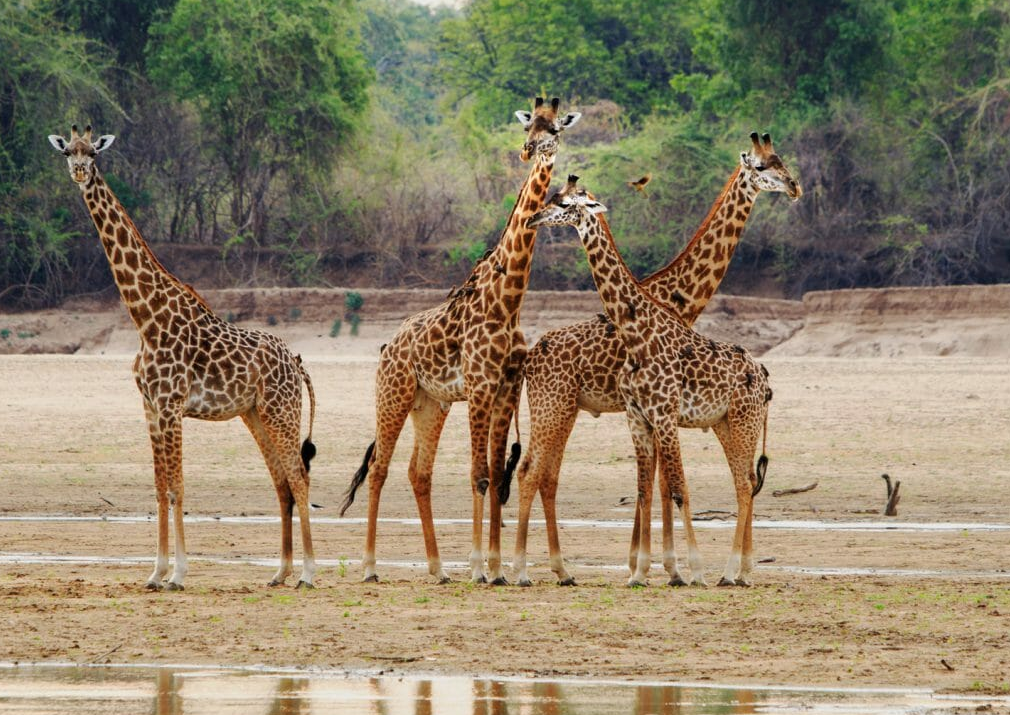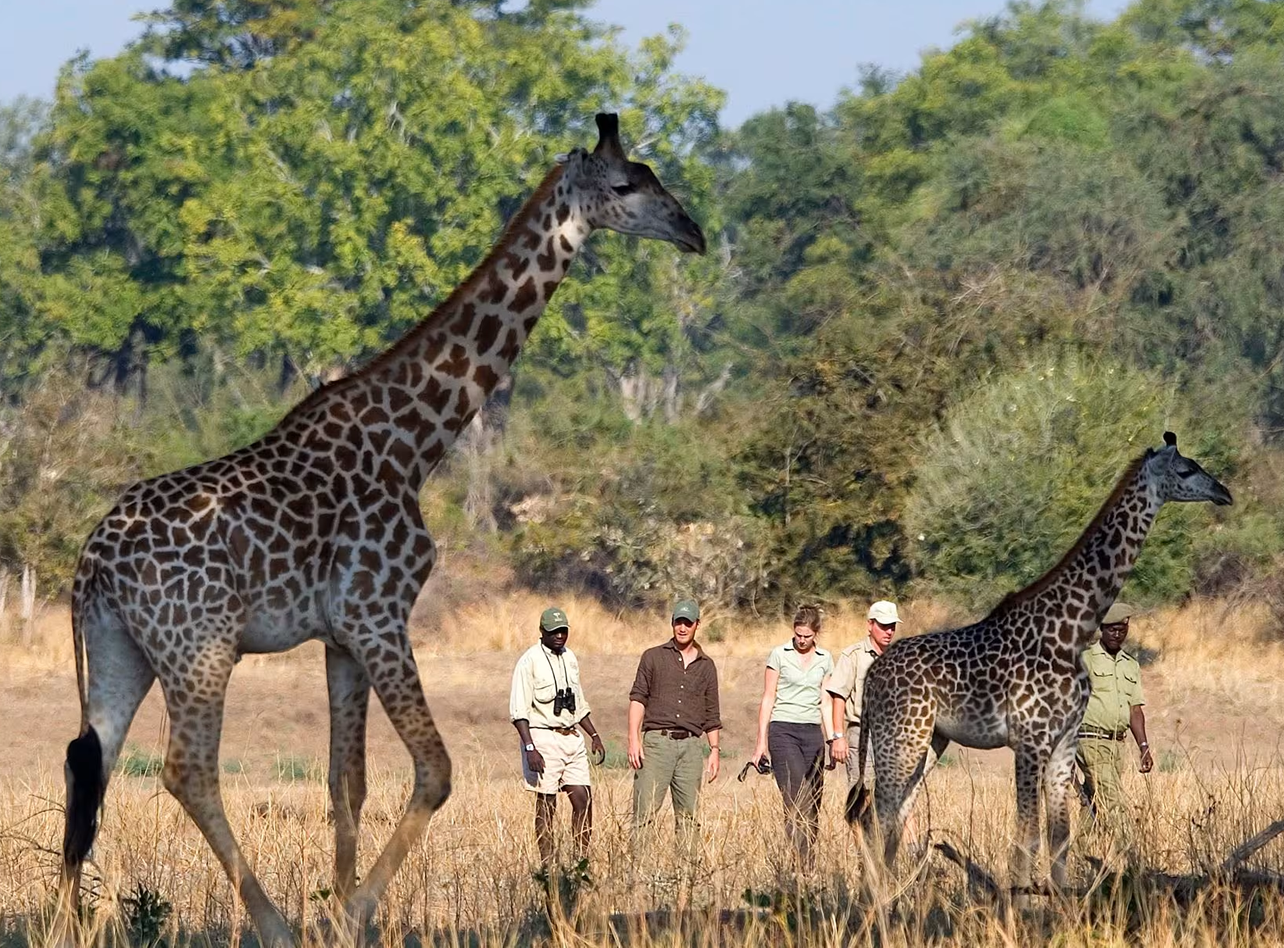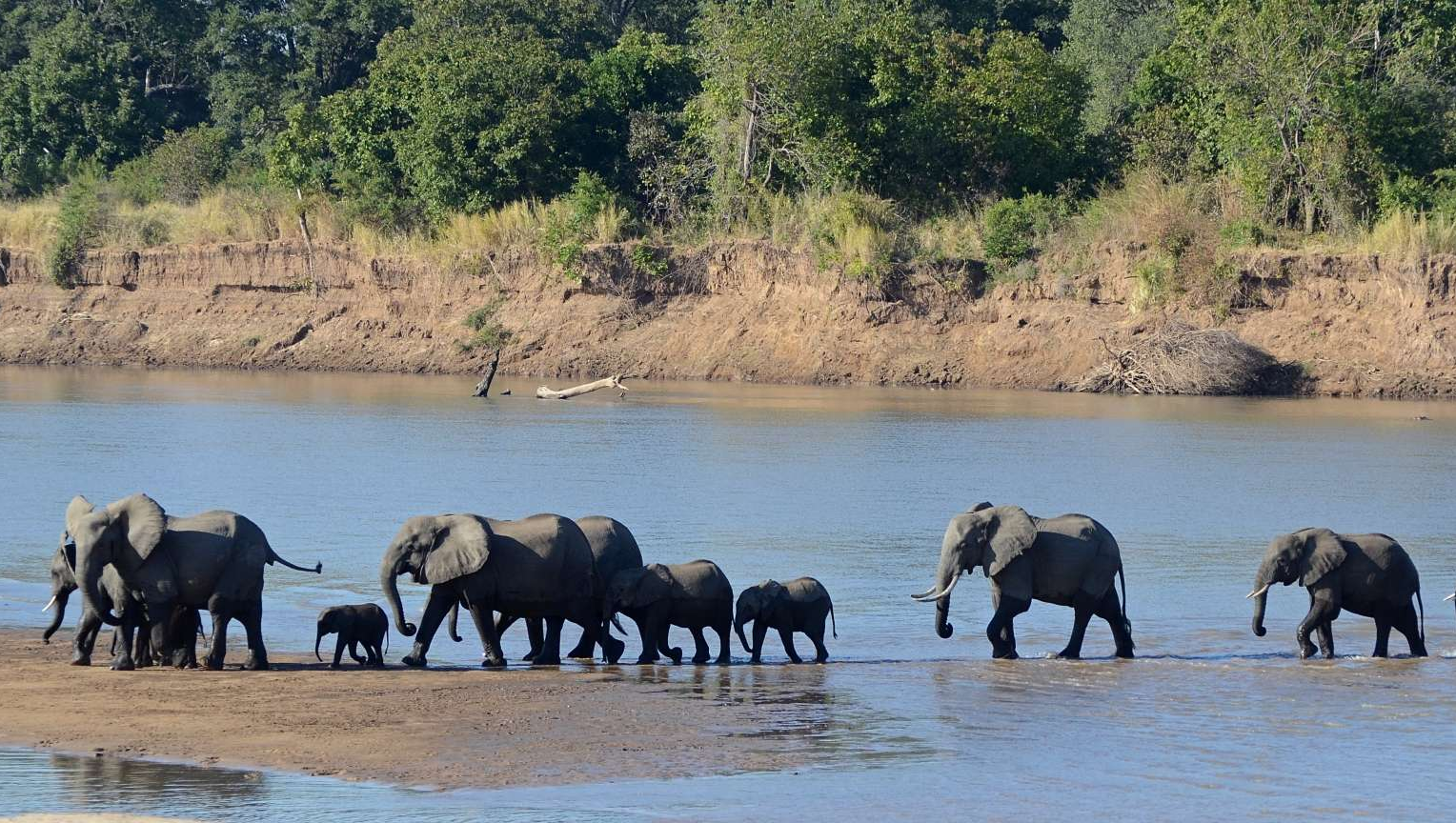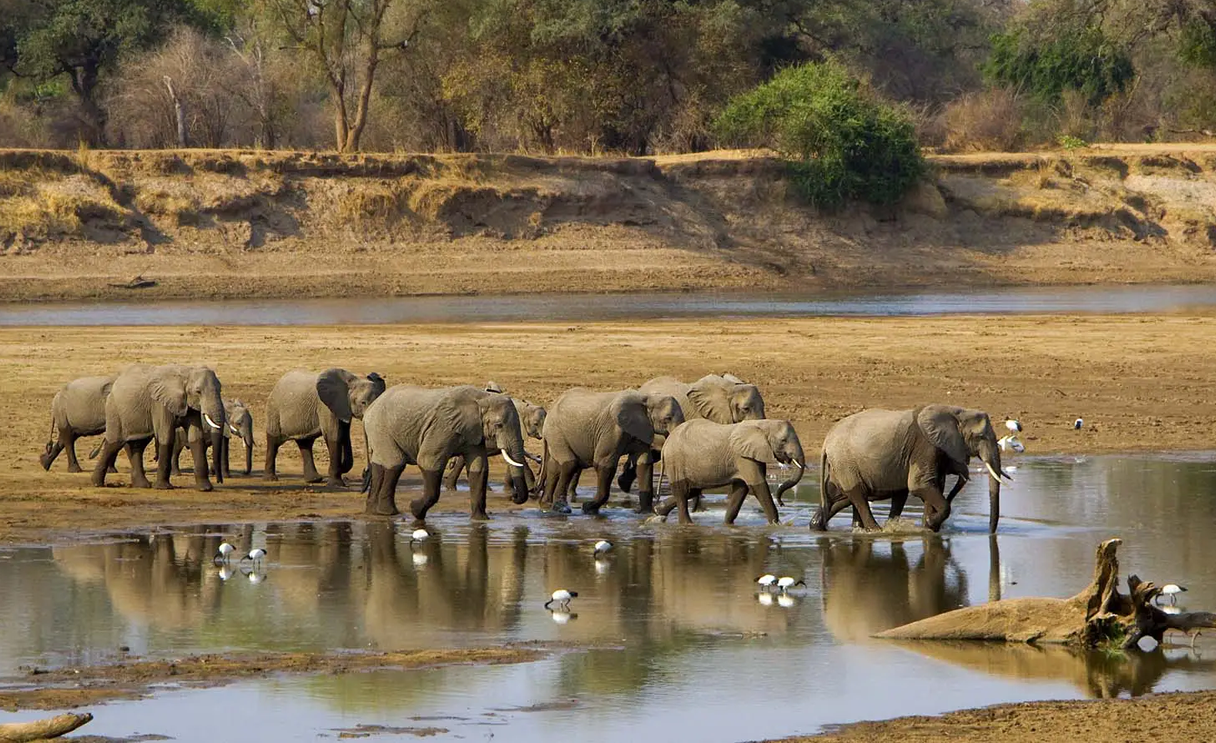

Kafue National Park is Zambia's largest and oldest national park, covering approximately 22,400 square kilometres (8,650 square miles) in the heart of the country. Established in 1950, it is one of Africa's largest protected areas and forms the centerpiece of the vast Kafue ecosystem, which includes surrounding game management areas that collectively protect an even larger landscape. Despite its immense size and extraordinary biodiversity, Kafue remains one of Africa's least crowded safari destinations. Visitors are rewarded with pristine wilderness, diverse habitats, abundant wildlife, spectacular birdlife, and a wide range of safari activities, including game drives, walking safaris, boat cruises, canoeing, fishing, and hot air balloon safaris in selected areas. Kafue offers an authentic safari experience away from the crowds, making it one of Zambia's premier destinations for nature lovers, photographers, birdwatchers, and adventure travelers. Location Kafue National Park lies in west-central Zambia, approximately 200 kms west of Lusaka, 500 kms…
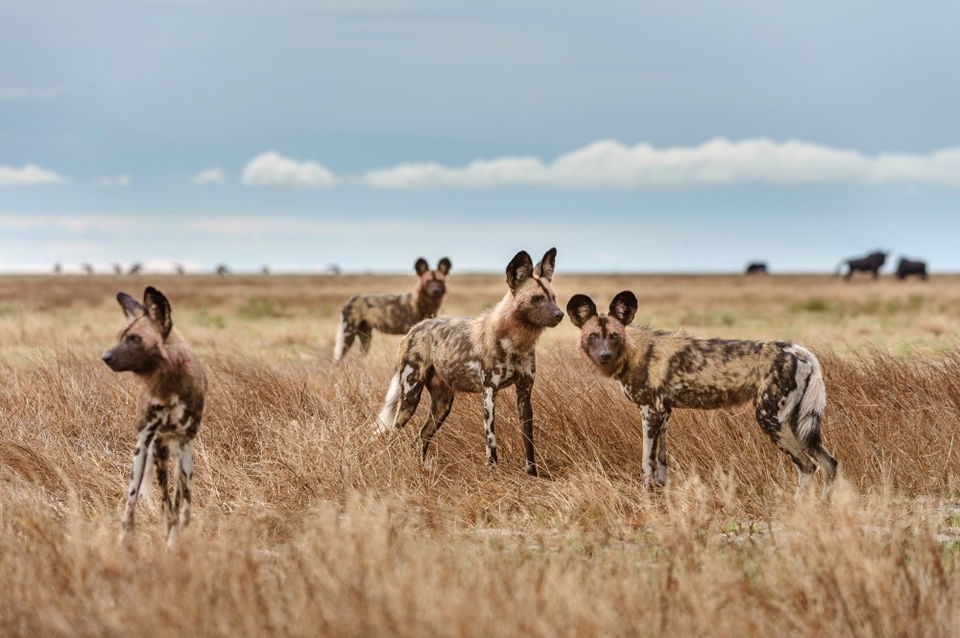
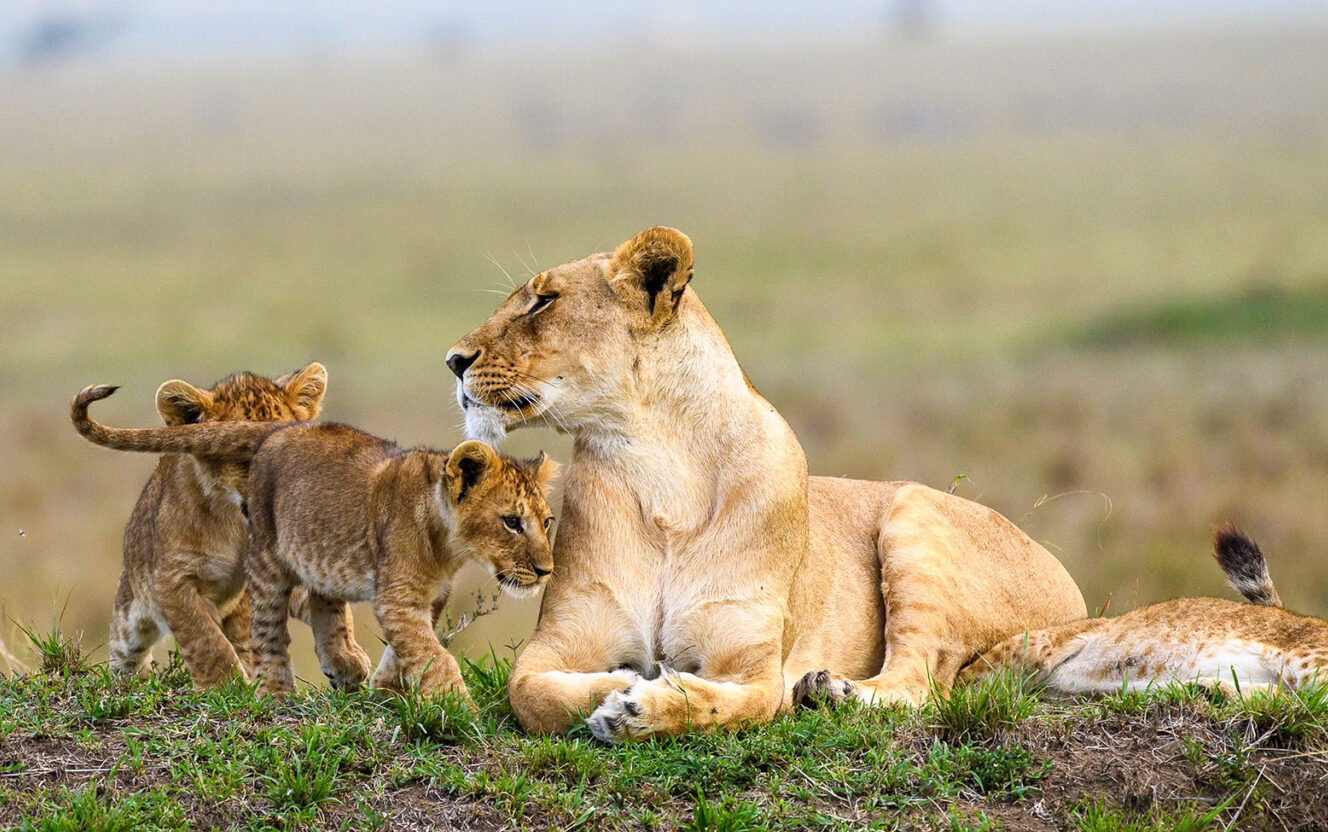
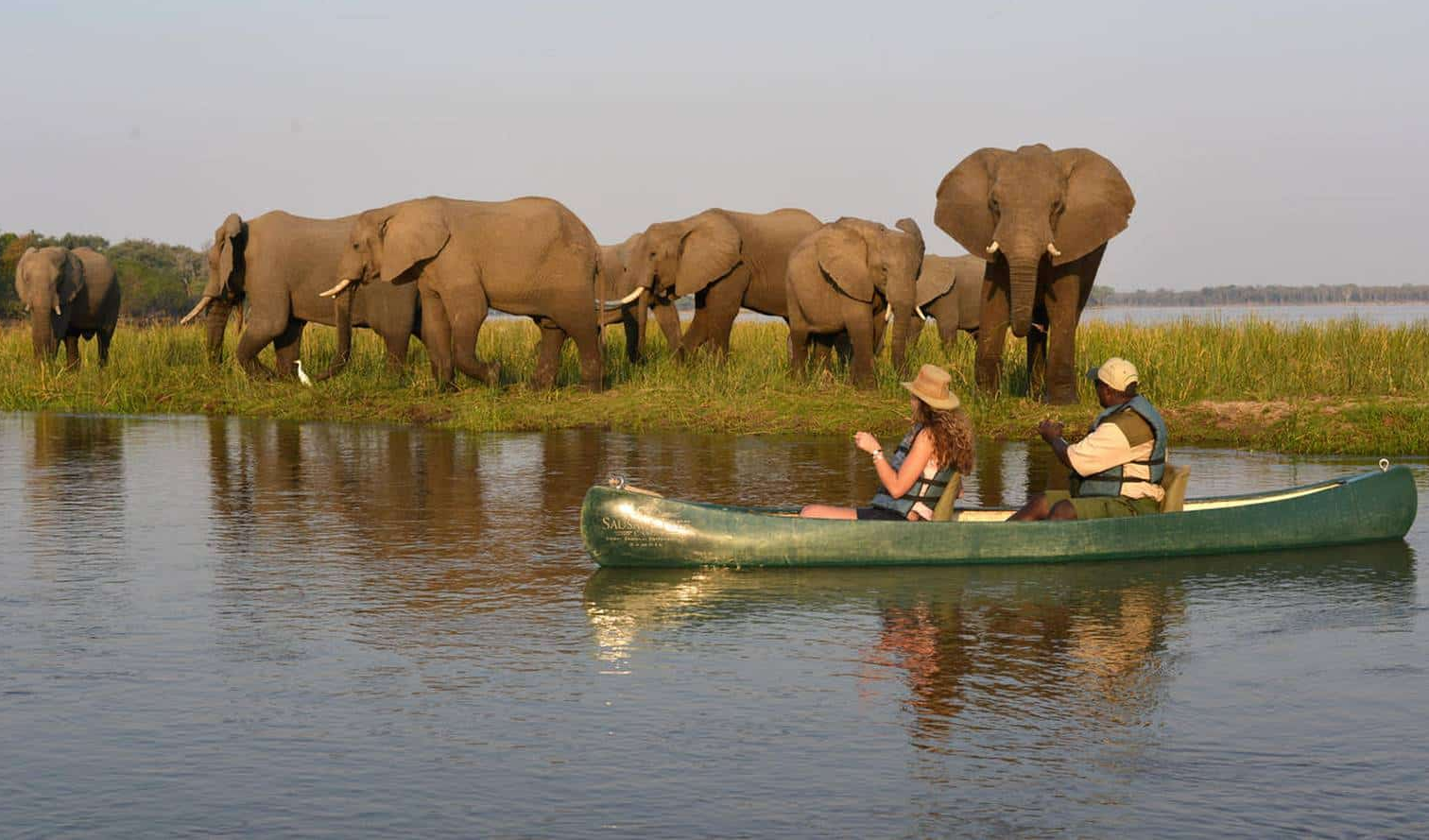
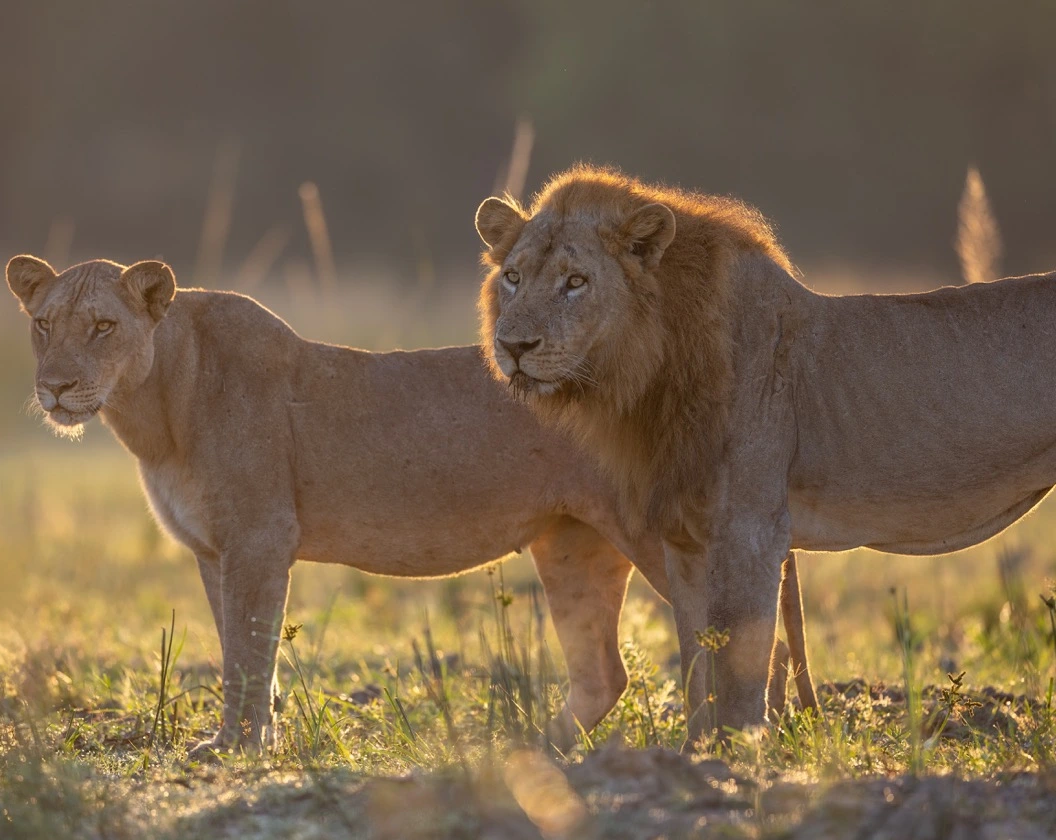
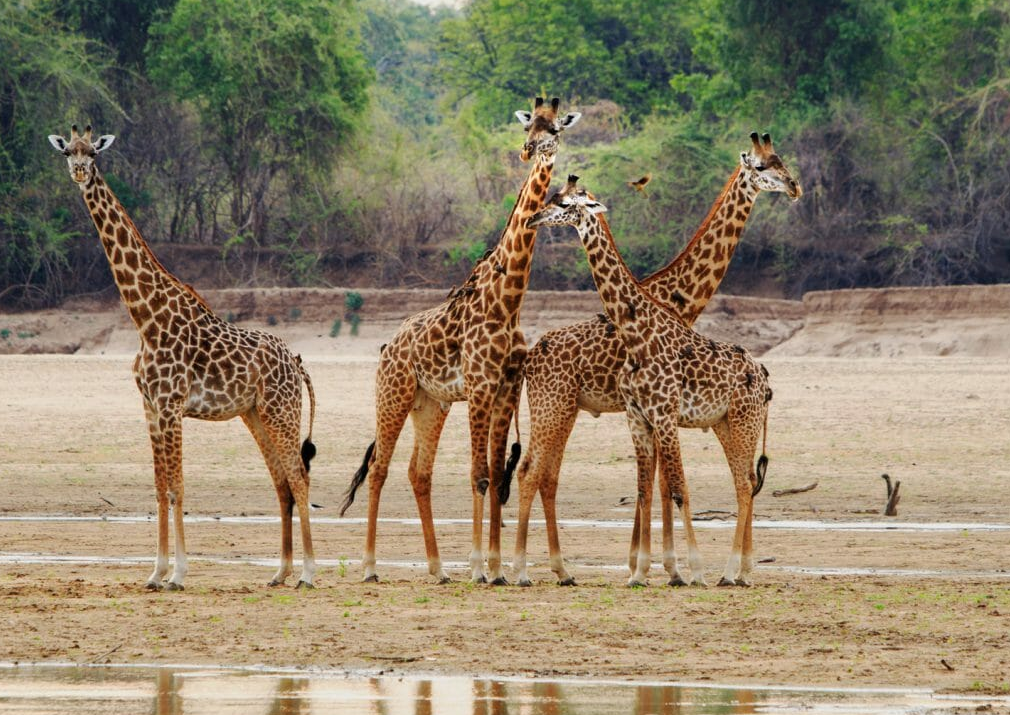
Kafue National Park is Zambia's largest and oldest national park, covering approximately 22,400 square kilometres (8,650 square miles) in the heart of the country. Established in 1950, it is one of Africa's largest protected areas and forms the centerpiece of the vast Kafue ecosystem, which includes surrounding game management areas that collectively protect an even larger landscape. Despite its immense size and extraordinary biodiversity, Kafue remains one of Africa's least crowded safari destinations. Visitors are rewarded with pristine wilderness, diverse habitats, abundant wildlife, spectacular birdlife, and a wide range of safari activities, including game drives, walking safaris, boat cruises, canoeing, fishing, and hot air balloon safaris in selected areas. Kafue offers an authentic safari experience away from the crowds, making it one of Zambia's premier destinations for nature lovers, photographers, birdwatchers, and adventure travelers. Location Kafue National Park lies in west-central Zambia, approximately 200 kms west of Lusaka, 500 kms north of Livingstone. It is accessible from Lusaka, Livingstone, Copperbelt Province and other major towns The park stretches over many ecological zones, resulting in an exceptional variety of landscapes and wildlife habitats. History The area was originally inhabited by indigenous communities, particularly the Nkoya and Ila peoples, who relied on its rivers, forests, and grasslands for their livelihoods. Recognizing the ecological importance of the region, the colonial administration established Kafue National Park in 1950, making it Zambia's first and oldest national park. Since Zambia's independence, conservation efforts have expanded through partnerships between the Department of National Parks and Wildlife (DNPW), conservation organizations, tourism operators, and local communities. These initiatives have contributed to improved wildlife protection, anti-poaching operations, habitat restoration, and sustainable tourism development. Geography Kafue's landscapes are remarkably diverse, including vast floodplains, seasonal wetlands, miombo woodlands, dense forests, riverine vegetation, open grasslands, savannah, granite hills, permanent rivers. The park is named after the Kafue River, one of Zambia's largest rivers, which flows through much of the park and supports countless species of wildlife. Major Ecosystems Busanga Plains The Busanga Plains are perhaps the park's most famous attraction. These are located in northern Kafue, these seasonal floodplains cover hundreds of square kilometres and become lush grasslands during the dry season. The plains attract thousands of antelope, large buffalo herds, elephants, lions, cheetahs, wild dogs, many bird species. Busanga is widely regarded as one of Africa's finest predator-viewing destinations. Miombo Woodland Much of Kafue consists of extensive miombo woodland dominated by Brachystegia tree species. The ecosystem inhabits leopards, Sable antelope, Roan antelope, Bushbuck, Bush pigs, Primates, Numerous birds. The Kafue River and its tributaries create permanent water sources throughout the park. These waters inhabit Hippopotamus, Nile crocodiles, Waterbirds, Fish species, Aquatic plants. Boat safaris provide a completely different perspective compared to traditional game drives. Wildlife animals you watch include; mammals i.e Big Cats - Lions, Leopards, Cheetahs, African Wild Dogs, Elephants, Buffalo, Sable antelope, Roan antelope, Puku, Red lechwe, hartebeest, Defassa waterbuck, Bushbuck, duiker, Oribi, Reedbuck, Impala, Spotted hyena, Side-striped jackal, Warthog, Hippopotamus, Crocodile, Zebra, Blue wildebeest, Honey badger, Civets, Genets, Mongooses, Porcupines, Vervet monkeys, Baboons. Birdlife Kafue National Park is among Zambia's top birding destinations with more than 500 bird species i.e African fish eagle, Saddle-billed stork, Wattled crane Secretary bird, Pel's fishing owl, African skimmer, Carmine bee-eater, Ground hornbill, Martial eagle, Bateleur, African finfoot. Best Time to Visit Kafue National Park can be visited anytime around the year although the best time to visit the park is during the Dry Season in the months of May–October. During this time, it is easier to watch wildlife animals as they congregate near water, the weather is ideal and road conditions are good. Kafue National Park can be accessed using both Air and Road which are preferred by the travelers on safari vacation. These depend on the budget, schedule, and preferred style of travel. By Air Travelers on safari in Zambia can use air transport to access the park. You fly from Kenneth Kaunda International Airport or Harry Mwanga Nkumbula International Airport to take a charter flight to one of Kafue's airstrips, including Chunga, Ngoma, Lufupa, or Busanga where you leave from to the National Park. During the main safari season (typically June through October), limited scheduled domestic flights also operate to Chunga Airstrip. By Road Kafue National Park can also be accessed by road as they travel for a distance of 298–360 kms from Lusaka and period of 3.5 to 4 hours. They follow the M9 road through Mumbwa to the park's main entrance. From Livingstone, travelers cover a distance of 204 kms to the southern entrance in a period of 3 to 4 hours via Dundumwezi Gate.