
Primate Safaris
Contact us
T : +256 392 159 498
T : +9 1 9544 666 665
E : info@primatesafaris.com

Primate Safaris
Contact us
T : +256 392 159 498
T : +1 (928) 607 1653
E : info@primatesafaris.com
National Park
Akagera National Park
About the Park
They brought the lions back in 2015. Seven of them, translocated from South Africa, were released into a park that had not heard a lion's roar in nearly a decade. The rangers watched. The community held its breath. And then, slowly, surely, the lions did what lions do: they spread out, they hunted, they multiplied. Today, the pride numbers over fifty. The roar is back. And Rwanda's greatest conservation comeback story is still being written, one sunrise at a time.
Welcome to Akagera National Park, Rwanda's only savanna park, its only Big Five destination, and one of Africa's most remarkable stories of wildlife restoration told against the backdrop of a country that itself knows something about rising from the ashes.
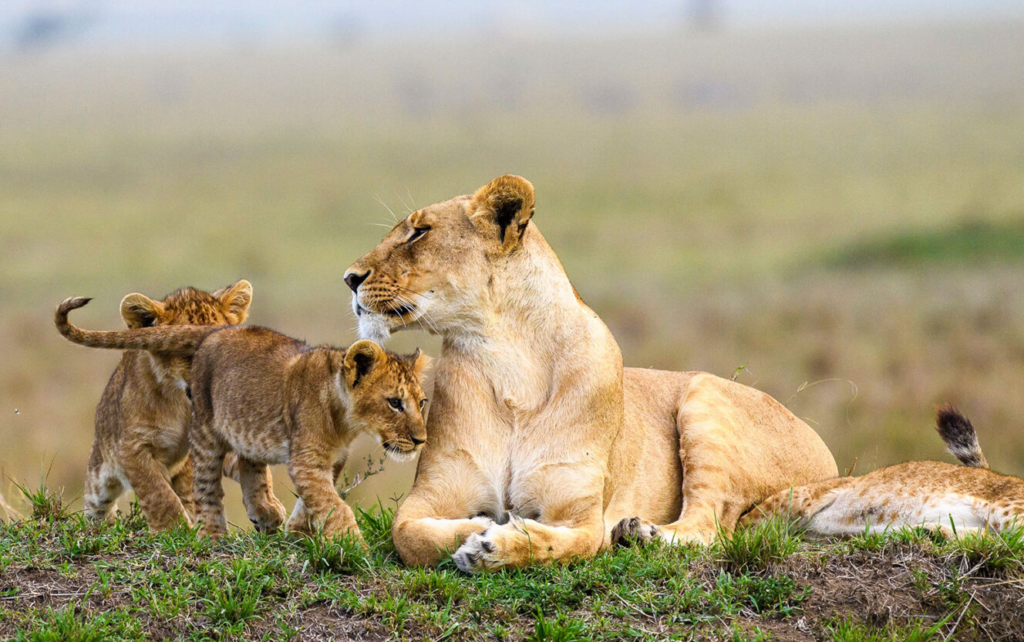 Stretching across 1,122 square kilometers in eastern Rwanda along the Tanzanian border, Akagera is a park of sweeping contrasts: open grasslands rolling into acacia woodland, misty hills dropping into papyrus swamps, and a chain of lakes shimmering along the valley floor, their banks thick with hippos, crocodiles, and waterbirds that make even a short boat cruise feel like a highlight reel of African wildlife.
Lake Ihema, the largest of these lakes, holds one of the highest concentrations of hippos in the entire region. A sunset boat cruise across its mirror-flat surface, with hippos surfacing beside you and fish eagles calling overhead, is one of those experiences that people book Rwanda for and leave Rwanda talking about.
On the plains, the full drama of African savanna wildlife plays out daily. Masai giraffes reintroduced in the 1980s browse the acacia canopy with their characteristic slow-motion elegance. Herds of zebra move across the golden grass. Elephants gather at the water in the late afternoon. Topi, roan antelope, eland, waterbuck, impala, and oribi fill the grasslands with the kind of abundance that reminds you why East Africa became synonymous with safari in the first place.
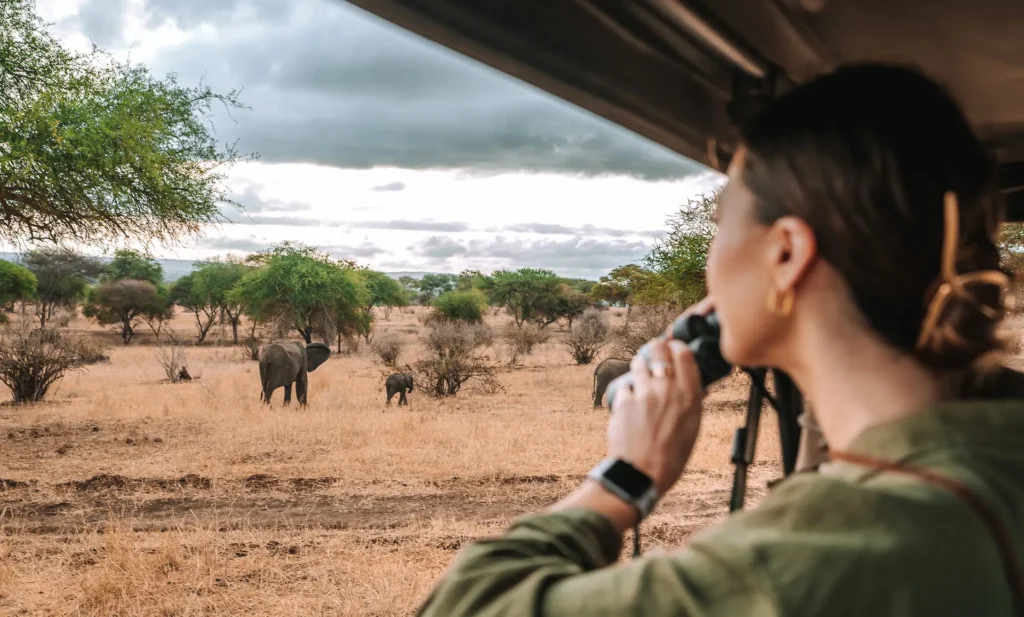 And then there are the rhinos. Black rhinos were reintroduced in 2017, the first time they had walked Rwandan soil in a decade, followed by white rhinos shortly after. Akagera is now fully, proudly, a Big Five park. Lion, leopard, elephant, buffalo, and rhino, all within one park, all in eastern Rwanda, all the result of a conservation effort that the whole continent looks at with admiration.
Over 500 bird species have been recorded here, including the elusive shoebill, that prehistoric-looking giant that sends birders into raptures, and the papyrus gonolek, found only in the papyrus swamps that line the lakes. A morning game drive, a boat cruise, and an afternoon at the lakeside will reward any birder with a list that rivals any park in East Africa.
Akagera is managed through a partnership between African Parks and the Rwanda Development Board, a model of conservation governance that has transformed the park from a depleted, poached-out shell into one of Africa's finest wildlife destinations in under two decades. The communities surrounding the park are partners in that success, their livelihoods now intertwined with the park's health in a way that turns every visitor's entrance fee into a vote for a future where people and wildlife share the same thriving landscape.
Rwanda is famous for gorillas. But Akagera is proof that the country's conservation ambition extends far beyond any single species, all the way to the open savanna, the lake shores, and the long grass where lions are learning, again, that this land belongs to them.
Wildlife
- Lion
- Leopard
- Elephant
- Rhinoceros
- Cape Buffalo
- Giraffe
- Zebra
- Hippopotamus
- Hyena
- Warthog
- Crocodile
- African Fish Eagle
- Hornbill
- Pelican
- Crowned Crane
- Marabou Stork
- Eland
- Waterbuck
- Topi
- Bushbuck
- Baboon
- Vervet Monkey
- Serval
- African Civet
- Galago (bushbaby)
- Kingfisher
- Weaver Bird
Where To Stay
Mantis Akagera Game Lodge
Akagera National Park.
View DetailsHermingways Retreat Kigali
Akagera National Park
View DetailsGovernor’s Residence
Akagera National Park
View DetailsWilderness Magashi Camp
Akagera National Park.
View DetailsRuzizi Tented Lodge
Akagera National Park
View Details