
Primate Safaris
Contact us
T : +256 392 159 498
T : +9 1 9544 666 665
E : info@primatesafaris.com

Primate Safaris
Contact us
T : +256 392 159 498
T : +1 (928) 607 1653
E : info@primatesafaris.com
National Park
Queen Elizabeth National Park
About the Park
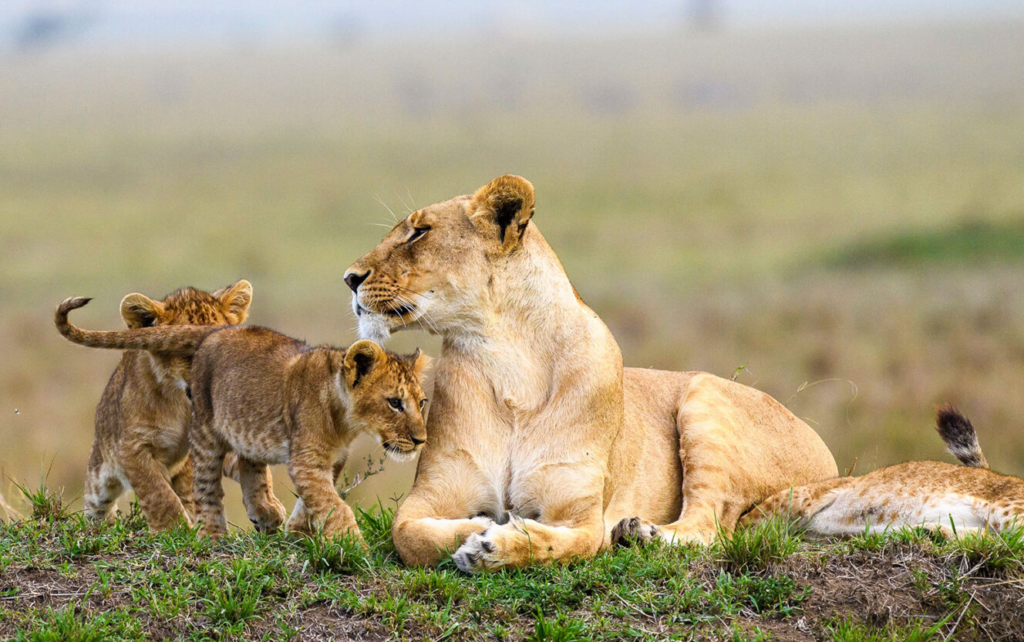
Somewhere in Uganda, a lion is sitting in a tree.
Not pacing. Not hunting. Just sitting sprawled across a thick fig branch in the Ishasha Plains, tail dangling, watching the world below with the bored magnificence of a creature that has figured something out that no other lion population on earth has bothered to. Tree-climbing lions. It sounds like something someone made up. It is absolutely real. And it is just one of the reasons Queen Elizabeth National Park refuses to be ordinary.
This is Uganda's most visited national park and it earns that title every single day. A park of dramatic contrasts where open savanna rolls into tropical forest, volcanic crater lakes drop into ancient calderas, and wetlands give way to grasslands where herds of Uganda kob move like a golden tide across the plains. There is always something happening here. Always something moving, calling, hunting, grazing. Queen Elizabeth is never still.
 The Kazinga Channel is the park's beating heart a 40-kilometer natural waterway connecting Lake George to Lake Edward, and one of the finest boat cruise experiences in all of Africa.
Drift along its banks and you will encounter hippos by the hundreds, Nile crocodiles sunning on the shores, elephants wading in at dusk, and a dazzling parade of waterbirds that makes even non-birders reach for their binoculars.
Over 600 bird species have been recorded here 600 making it one of the most important birding destinations on the entire continent. The shoebill alone, that prehistoric-looking giant lurking in the papyrus swamps, is worth the entire journey.
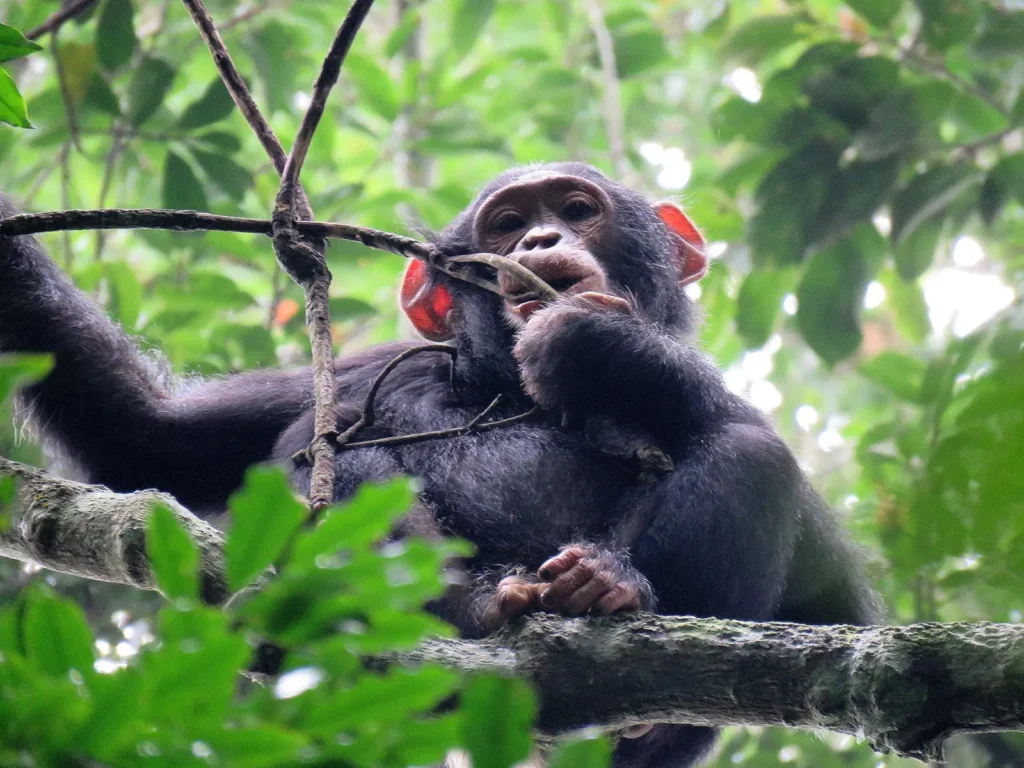 Deep in Kyambura Gorge, a lush forest canyon carved dramatically into the surrounding savanna, habituated chimpanzees swing and call through the treetops.
Tracking them on foot hearing them before you see them, watching them regard you with the unsettling intelligence of a close relative is an experience that will stay with you long after you have left. Nearby, Maramagambo Forest hides leopards, colobus monkeys, forest elephants, and a cave full of bats so vast the pythons that live at its entrance never go hungry.
With over 95 mammal species and a landscape that shifts from savanna to forest to wetland within a single afternoon, Queen Elizabeth does not ask you to choose your kind of safari. It offers all of them simultaneously, generously, and without apology.
Named in 1954 to commemorate a royal visit, Queen Elizabeth National Park has long held court as Uganda's most celebrated wild space. Come and see why the crown still fits.
Wildlife
- Lion
- Leopard
- Cape Buffalo
- Hippopotamus
- Chimpanzee
- Hyena
- Warthog
- Crocodile
- Flamingo
- Vulture
- African Fish Eagle
- Impala
- Waterbuck
- Topi
- Bushbuck
- Baboon
- Vervet Monkey
- Colobus Monkey
- Mongoose
- Serval
- African Civet
- Shoebill
- Lilac-breasted Roller
- Kingfisher
- Weaver Bird
Gallery
Swipe to browse · tap to enlarge